في هذه الصفحة
China offers several routes for sourcing matcha, from tea groups with broad processing businesses to suppliers focused on bulk powder and private-label projects. This 2026 buyer’s guide compares six businesses to help you build a practical shortlist: Gui Tea Group, Premier Matcha, Zhejiang Tea Group, Matcha Village, Anhui SMOSIANG Tea / Yuzhi Forest Matcha, and SBY Matcha. The useful question is which can document and supply the particular product your business needs.
Publisher disclosure: Premier Matcha publishes this guide and is included in the comparison. The display order is editorial and does not represent an independently verified industry ranking. Company descriptions below draw on their own published materials, reviewed on October 26, 2026; they are not findings from factory audits.
What this China matcha supplier shortlist compares
“Top” is useful only when the comparison explains what a buyer is choosing. A business purchasing sealed foodservice bags has a different brief from a brand developing filled retail tins. A large tea group, a specialist processor and a project-coordinating supplier may all be relevant, but their public descriptions do not establish identical services.
The companies were selected for a published China matcha manufacturing or supply offering. This is a focused starting list, rather than a census of every Chinese producer. The comparison looks at business scope, product direction and the questions needed to turn a website description into an order. It does not assign invented quality scores or repeat unverified capacity and certification claims.
A company’s name, sales brand, production site and export contracting entity can differ. Keep those relationships visible. Six entries also should not be read as proof of six unrelated factories: the actual parties and sites need confirmation for the proposed supply arrangement.
Six matcha manufacturers and suppliers at a glance
Public business descriptions and the first question to resolve
| الشركة | Published scope | Useful first clarification |
|---|---|---|
| Gui Tea Group | Tea planting, processing and marketing; plateau matcha and bulk inquiry routes | Which matcha product, production site and selling entity would support your order? |
| بريمير ماتشا | Bulk matcha supply and OEM/private-label project support | Which product and packing route fit the intended application and first quantity? |
| Zhejiang Tea Group | Broad tea supply-chain business including matcha and processed tea ingredients | Which group business or subsidiary handles the proposed item? |
| Matcha Village | Matcha manufacturing, bulk, OEM and private-label services | What does the quotation include: pure powder, a blend or filled retail packs? |
| Anhui SMOSIANG Tea / Yuzhi Forest Matcha | Matcha raw materials and related product development | Which named entity, current product and export arrangement apply? |
| SBY Matcha | Matcha, fine green-tea powders and other tea-based products | Which currently operating site and product specification would supply the order? |
Company profiles and buyer considerations
1. Gui Tea Group
Gui Tea Group’s company profile describes a tea business spanning planting, research and development, production and marketing. Its global site presents plateau matcha alongside other teas and provides separate sample and bulk-inquiry routes. The profile connects its operations with Guizhou, giving buyers a defined regional starting point for further discussion.
Its broad tea business makes product identity an important first question. Request the actual matcha item, its composition and intended application rather than treating the group name as a specification. For a bulk proposal, establish which entity sells the powder and which site processes and packs it. A group-level account of gardens or equipment does not identify the lot you would receive. Buyers considering a longer supply arrangement should also ask how the approved sample is connected to the ordered product and how changes would be communicated.
2. Premier Matcha
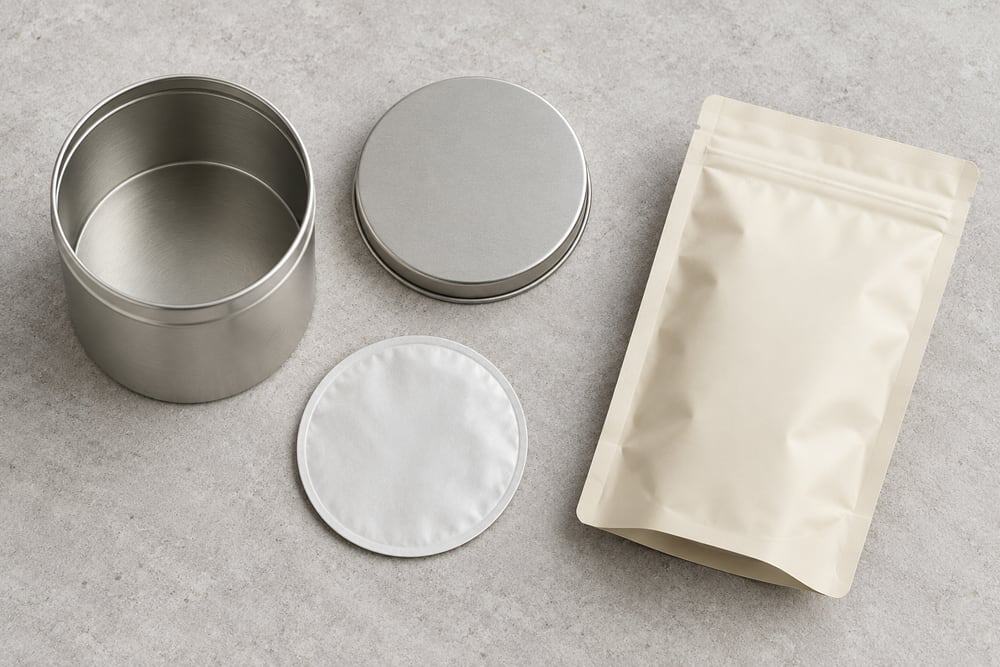
Premier Matcha is a Hangzhou-based B2B matcha supplier serving brands, distributors, food manufacturers and cafés. Its product range is organized around ceremonial, latte, culinary and ingredient applications, alongside other product directions. The offering includes bulk powder and OEM and private-label project support, with pouch, tin and sachet packaging options discussed for the particular project.
The starting point is the buyer’s finished product: how the powder will be used, the desired sensory result, the target market and the proposed quantity. Product selection, sample review and packing decisions then need to describe the same item. Buyers should confirm the specification, production and packing arrangements, relevant documents and commercial terms before approval. The proposal should show which steps are included and which approvals remain with the buyer, especially when powder, filling and printed packaging are purchased together.
3. Zhejiang Tea Group
Zhejiang Tea Group’s official profile presents the business as a tea supply-chain integrator and brand operator. Its described scope includes conventional teas, matcha, processed tea products, tea foods, functional ingredients and tea machinery. That makes it a broader tea-sector business rather than a website devoted solely to one matcha product category.
For procurement, identify the group business responsible for the matcha proposal and the exact product it is offering. A requirement for pure powder should remain separate from an inquiry for a formulated beverage ingredient or another processed tea product. Ask who contracts, who provides technical answers and which site appears on the supporting product documents. The breadth of a group can be relevant to a multi-product brief, but it does not establish that every subsidiary offers the same packing options, order sizes or development services.
4. Matcha Village
Matcha Village’s About page places the business in Jingshan, Hangzhou, and describes operations covering tencha processing, matcha grinding and packaging. Its published offering includes bulk supply, OEM and private-label work. The site also separates pure matcha, latte powder, blends and other products, which helps buyers state the type of item they want to evaluate.
That distinction should carry through to the sample request and quotation. A pure-powder purchase and a finished blend require different ingredient and specification discussions, even if both are sold for drinks. For private label, establish which development, filling and printed-pack components are included. Confirm the contracting entity behind the brand and the production arrangement for your SKU. Public descriptions of integrated operations are useful research leads, but current documents and the written proposal still need to connect those operations with the product being purchased.
5. Anhui SMOSIANG Tea / Yuzhi Forest Matcha
يساعدك company introduction on matchagroup.com.cn names Anhui SMOSIANG Tea Co., Ltd. and Yuzhi Forest Matcha (Chizhou) Co., Ltd. It places the business in Shitai, Anhui, and describes a focus on matcha raw materials and related product development. The site’s product navigation includes powders positioned for different food applications.
The introduction carries a 2018 publication date, so it should prompt a current inquiry rather than serve as a 2026 availability statement. Confirm which named company would issue the quotation, which product codes are currently supplied and how processing, packing and export responsibilities are arranged. Treat the two names as one shortlist entry until their relationship is clarified; the page does not justify counting them as two independent supply options. Buyers should also distinguish a product’s branding or process description from a documented geographical origin.
6. SBY Matcha
SBY Matcha’s About page describes matcha, fine green-tea powders, flavored teas and tea-based beverages. It discusses plantation and processing activities in several Chinese locations, presenting a wider tea-product business alongside its matcha offering. That public product scope provides a starting point for buyers exploring both matcha and other tea ingredients.
The same page contains facility plans and construction references, including expected completion dates that have already passed. Those passages should not be converted into claims that every project is operating today. Ask which existing site would make and pack the proposed item, then connect that answer with the current specification and supporting records. Also clarify whether the offer is pure matcha, another green-tea powder or a formulated product. Similar-looking green powders and broad factory descriptions do not establish interchangeable performance in a buyer’s application.
How to narrow these six businesses to a useful shortlist
Start with product identity and the finished application
Tell each candidate whether the brief requires pure matcha, a sweetened latte blend or a developed ingredient. Include the ingredient restrictions that matter to your project. A response recommending a blend cannot be compared with a pure-powder offer until the difference is explicit.
Then describe the finished use. A café evaluating a latte needs to know how the powder behaves in its actual drink; a manufacturer may need it assessed through a processing step. Grade names help organize a range, but they do not replace a product code, specification and application trial. This is especially relevant when comparing businesses whose catalogues mix traditional teas, matcha and other tea powders.
Define the unit being purchased
Specify whether the order is kilograms of sealed bulk powder or finished retail units. For private label, include the intended fill weight and pack format. This separates a powder supplier’s proposal from one that includes filling, labels, printed components or development work.
Reduce the shortlist by asking for a response to that precise brief. A candidate can remain relevant while declining a particular service. A clear powder-only offer is easier to assess than an expansive promise whose filling and packaging responsibilities are still open.
Identify who will supply the approved item
Record the proposed seller, processing site and packing site, including any separate service providers. A group-level introduction may require a subsidiary-level answer; a sales brand may require the name of its contracting company. This is a question about accountability, rather than an assumption that one business structure is automatically better.
What to verify beyond an official company website
Current sites and product-specific documents
The older introductions and construction references in this list illustrate why a current website check is only the beginning. Ask which information describes the proposed order today. If a site, company or product has changed, the supporting records should explain the relationship rather than leave the buyer to infer it from similar names.
For U.S. imports, the FDA’s Foreign Supplier Verification Programs guidance describes risk-based responsibilities for covered importers. A commercial supplier profile is not a substitute for that evaluation. The applicable requirements depend on the food, parties and relevant exemptions; a seller’s willingness to export does not settle the importer’s responsibilities.
Read the scope of the evidence
Where certification matters, review the current certificate’s named holder, site, product scope and validity. A logo on a group page does not establish that the specific powder and packing arrangement meet the buyer’s requirement. Keep certification review separate from the lot’s test results.
Likewise, connect a certificate of analysis to the actual item and lot. Check what was measured, the units and the relevant acceptance criteria. Our ماتشا COA explains those document questions in more detail; this shortlist does not certify any company’s product.
Connect sample approval to the production offer
Give the approved sample a usable reference and state what its approval covers. A good sensory result does not, by itself, approve the final label or establish every technical requirement. Ask whether the quoted item matches the reviewed sample and what happens if the source, specification or packing route changes.
When two candidates remain suitable, compare them using the same evidence standard. The supplier scorecard can support that decision without pretending the companies have been scored in this article.
Compare price and order conditions on the same basis
A powder price cannot be compared fairly with a filled-pack price. Request separate lines for powder, filling, packaging and any agreed development or setup work. Confirm the currency, quantity, delivery scope and validity of the offer. Keep unresolved charges visible instead of describing a partial quotation as a delivered cost.
Ask what each minimum counts. Powder kilograms, filled units and printed components can create different commitments. A supplier suitable for one launch format may offer a different route at another quantity; the answer belongs to the actual proposal, not a universal “China factory MOQ.”
استخدم دليل أسعار الماتشا بالجملة for the cost worksheet and China sourcing guide for the order process. Once the offers describe the same item and delivery scope, decide which remaining questions need answers before you can approve a supplier.
الأسئلة الشائعة
Which matcha supplier in China is best?
The best fit depends on the product, application, packing route and evidence your business needs. This list does not establish a universal winner. Ask the relevant candidates for the same defined item, then compare their documented responses. A company with a broad tea business and a supplier focused on a specific project may solve different purchasing problems.
Are all six entries independently verified factory owners?
No. The entries are manufacturers or suppliers according to their published business descriptions, and Premier Matcha is the publisher. This guide has not independently audited factory ownership. Confirm the seller, producer, packer and their relationships for the proposed order. A brand name or a factory photograph alone does not answer that question.
Can these companies supply private-label matcha?
Some explicitly publish OEM or private-label services; others describe a broader tea or ingredient business. Ask each candidate to confirm the particular service required. Branding an existing product, developing a blend and supplying filled custom packs are different scopes. A general matcha offering should not be treated as confirmation of all three.
Why is there no cheapest-supplier ranking?
Public pages do not provide a consistent, current quotation basis for all six companies. Ranking their prices would require comparable product identities, quantities, packs and delivery conditions. Request dated offers on the same brief. A lower number means little when one price covers only powder and another includes services or delivery.
Does an Uji-related name mean the powder was made in Japan?
No. A name, brand or reference to a technique does not establish the origin of the item in a quotation. Ask for the actual product origin and relevant records. This distinction matters when reviewing a Chinese company whose introduction refers to Japanese tea-making traditions or whose English name could otherwise suggest a geographical origin.
How should a buyer use this 2026 guide?
Use it to identify relevant businesses and prepare focused questions, then obtain current order-specific information. The review date records when the cited pages were checked; it is not a guarantee of stock, price or available capacity. Save the dated quotation and approved product references so the purchasing decision remains understandable later.
Request a proposal for your actual matcha project
For a Premier Matcha proposal, share the finished application, target market, estimated powder quantity or retail-unit count, preferred pack and required documents. If you have an approved product reference, explain what you want to maintain or improve. That makes a sample recommendation more useful than requesting a grade name alone.
You can review the Premier Matcha product catalogue or send your project brief. Product suitability, packing options and commercial terms should be confirmed for the proposal before an order is approved.