
Verträglichkeit mit Milch
Check whether matcha remains recognizable and balanced after dairy or plant-based milk is added.
Compare latte-focused matcha for dairy, oat, and other beverage bases using the actual recipe, serving format, preparation method, and target cost.
Choose plain matcha powder or a formulated latte mix before comparing offers. Approve the dose in your milk base, then use that recipe to compare serving cost, staff preparation, foodservice pack size, and replenishment requirements.
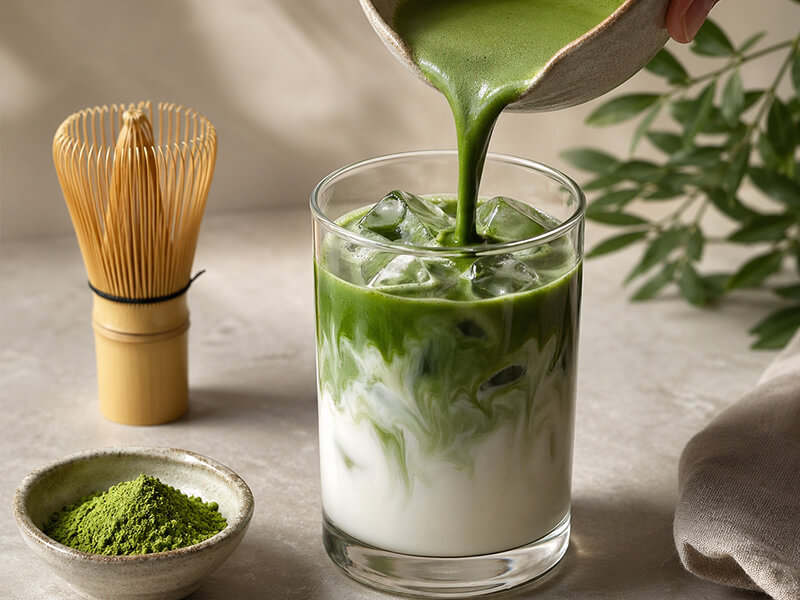
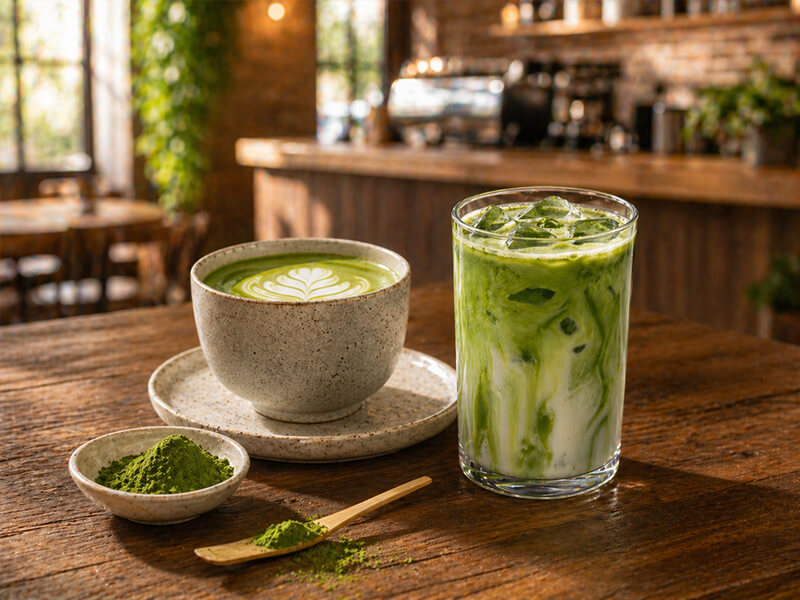
Water-only tasting is useful, but a commercial latte grade should also be tested with the intended milk, sweetener, serving size, temperature, and preparation method.
Check whether matcha remains recognizable and balanced after dairy or plant-based milk is added.
Review the finished drink, not only the dry powder, under realistic serving conditions.
Compare taste at the dosage and cup size planned for the menu or packaged drink.
Confirm that staff or production teams can reproduce the approved result consistently.
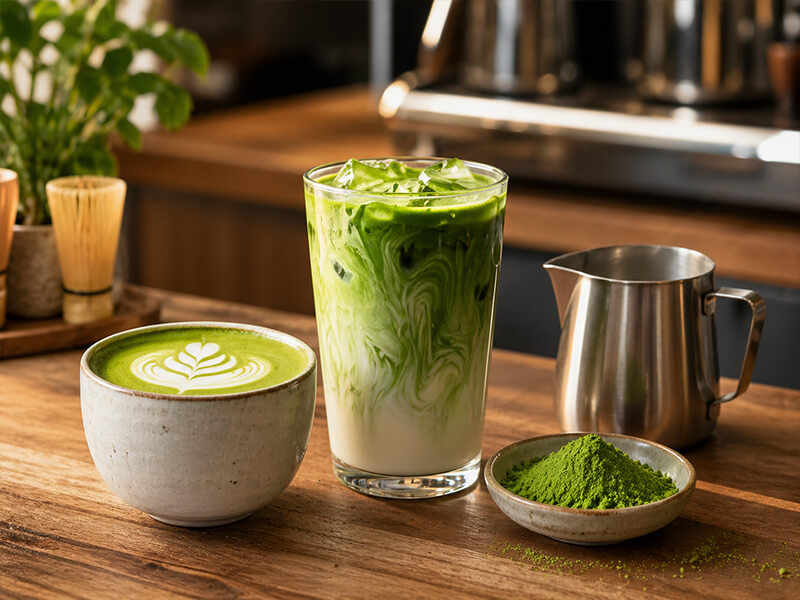
Different bases can change perceived sweetness, bitterness, color, and tea intensity. The table below is a testing framework rather than a fixed performance claim.
| Getränkebasis | Schlüsseltest | Frage zum Kauf |
|---|---|---|
| Dairy milk | Intensität des Tees, Ausgewogenheit der Süße, Farbe des Aufgusses | Bleibt der Matcha auch ohne übermäßige Dosierung deutlich erkennbar? |
| Hafermilch | Körper, natürliche Süße, Nachgeschmack | Bleibt das Teeprofil klar und ausgewogen? |
| Almond or nut milk | Aromaverknüpfung, Bitterkeit, Nachgeschmack | Unterstreichen die nussigen Noten den Matcha oder überdecken sie ihn? |
| Water-based iced drinks | Verteilung, Helligkeit, Geschmacksintensität | Ist das Produkt auch ohne Milch noch attraktiv? |
| Custom premix or ready-to-drink base | Sedimentation, Prozessanpassung, Zielkosten | Sind vor der Zulassung weitere Tests der Formulierung erforderlich? |
The right latte grade depends on the menu format and operating model. Start with the final drink and preparation workflow.
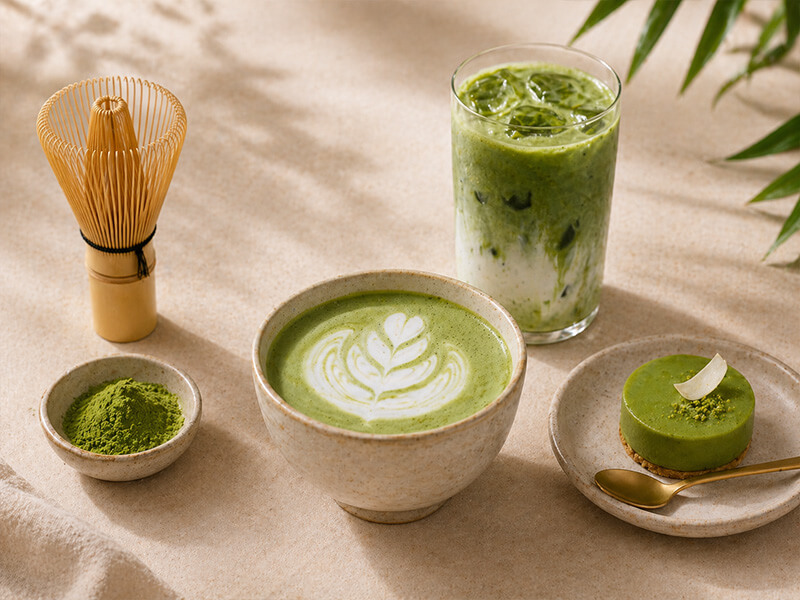
Balance tea flavor with milk, sweetness, foam, and serving temperature.
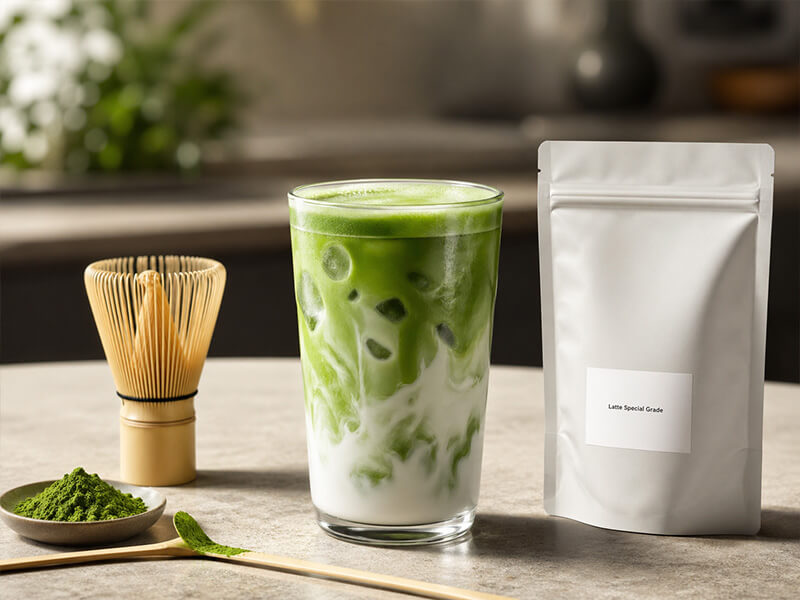
Review dispersion, visual layering, ice dilution, and flavor through the full serving period.
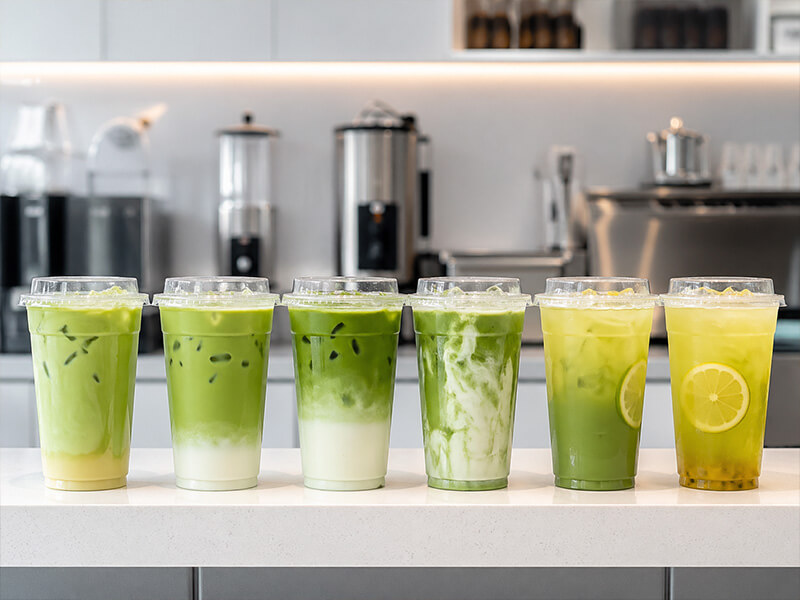
Prioritize repeatable preparation, staff training, serving cost, and stable replenishment.
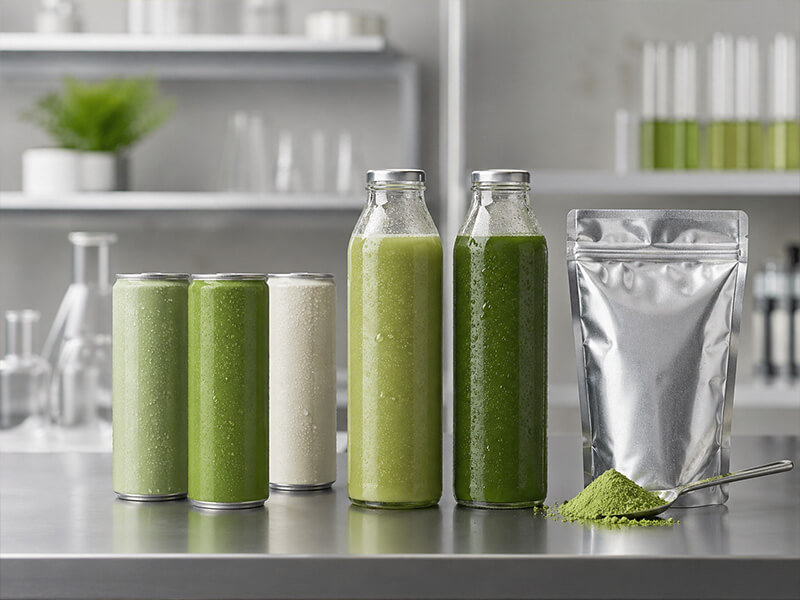
Coordinate matcha selection with formula work, packaging, documentation, and production trials.
Nutzen Sie diese rollenbasierten Kriterien, um eine gezielte Stichproben- und Dokumentenprüfung vorzubereiten. Dieser Abschnitt ist eine Bewertungscheckliste und kein Kundenbericht.
Looks for a clear green color, recognizable matcha taste, and a recipe staff can repeat during busy service.
Tests the same samples in oat and dairy bases because sweetness and aftertaste can change the preferred grade.
Reviews cost per serving, packaging size, production consistency, lead time, and replenishment planning together.
A short controlled process helps the product team separate matcha quality from recipe and preparation variables.
Fix the cup size, milk, sweetener, temperature, ice, and matcha dosage before comparing samples.
Use the same equipment and method so every sample receives equal treatment.
Review color, tea intensity, bitterness, finish, mouthfeel, and customer positioning.
Compare the approved sensory result with dosage, waste, speed of service, and target menu price.
Once a sample is selected, align the product specification, batch review, packaging, and replenishment plan with the operating model.
Keep a retained or documented reference for future production and quality discussions.
Review the technical parameters and available batch-level information for approval.
Choose packaging sizes that protect freshness and fit daily usage, storage, and inventory control.
Align expected usage, reorder point, production lead time, and delivery route.
The powder price alone does not describe the cost of an approved drink. Keep the cup recipe and product format visible in the purchasing comparison.
| Decision | Information to Record | How It Helps Approval |
|---|---|---|
| Plain powder or premix | Matcha ingredient list versus a blend with sugar, flavors, or other ingredients | Specify which format is being quoted and which recipe ingredients you will add. |
| Powder cost per serving | Quoted price per kg × approved powder grams per cup ÷ 1,000 | Compare at the dosage that achieved the accepted taste and color. |
| Total drink cost | Powder, milk, sweetener, packaging, and expected preparation waste | Keep the matcha cost separate from the complete menu or production cost. |
| Foodservice pack | Pack weight, daily use, opening frequency, storage, and reordering | Choose manageable packs and a replenishment plan for the operating model. |
The following calculations are a planning example using your own inputs, not a product price or recommended dose. Keep plain matcha powder and a formulated drink mix as separate comparisons.
Let P be the quoted price per kilogram and D the approved grams per cup. Powder cost is P × D ÷ 1,000. Add milk, sweetener, cup, and preparation waste separately when calculating the complete drink cost.
For C planned cups at D grams each, the recipe uses C × D ÷ 1,000 kilograms before waste. Compare this requirement with pack sizes and opening frequency, then agree the trial order or replenishment quantity.
Use the same currency, order quantity, packing format, and delivery scope when comparing quoted prices. If a premix replaces other recipe ingredients, cost its approved serving separately rather than comparing its kilogram price directly with pure matcha.
Confirm the applicable food-safety, halal, specification, and batch documents for the selected latte matcha and destination market.
Zertifikate gelten ausschließlich für bestätigte Produkte, Betreiber, Produktionsbereiche, Märkte und Transaktionen. Fordern Sie aktuelle Kopien an, bevor Sie eine Angabe verwenden oder Druckvorlagen freigeben.
Details zur Zertifizierung prüfen


Die Antworten sind produktspezifisch. Die endgültigen Spezifikationen, Zertifikate, Prüfungen, Mindestbestellmengen und Geschäftsbedingungen werden für das ausgewählte Projekt bestätigt.
The best option depends on the oat base, sweetness, dosage, and desired tea intensity. Testing in the actual recipe is more reliable than choosing by grade name alone.
Use one fixed recipe and preparation method, then score the finished drinks for color, flavor intensity, bitterness, finish, mouthfeel, preparation speed, and serving cost.
Often yes, but ice dilution and serving temperature can change the result. Test both formats before final approval.
We can compare sample price, dosage, cup size, and expected waste to support a practical commercial comparison. Final recipe costing remains the buyer’s decision.
The best format depends on daily usage and storage. Multi-kilo bulk bags, smaller foodservice packs, or repacked formats may be considered according to the order route.
The grade description does not define the ingredient list. Plain matcha powder and a sweetened or flavored latte mix are different purchasing formats. Confirm the full composition, preparation instructions, and whether sugar or milk ingredients are included in the quoted product.
Do not assume it will. Keep the matcha dose fixed and compare each dairy or plant-based recipe, including sweetener and hot or iced service. Record the preferred recipe before changing the powder or scaling the order.
Share the milk type, cup size, sweetener, preparation method, target serving cost, and expected volume. We will prepare a focused sample direction.