
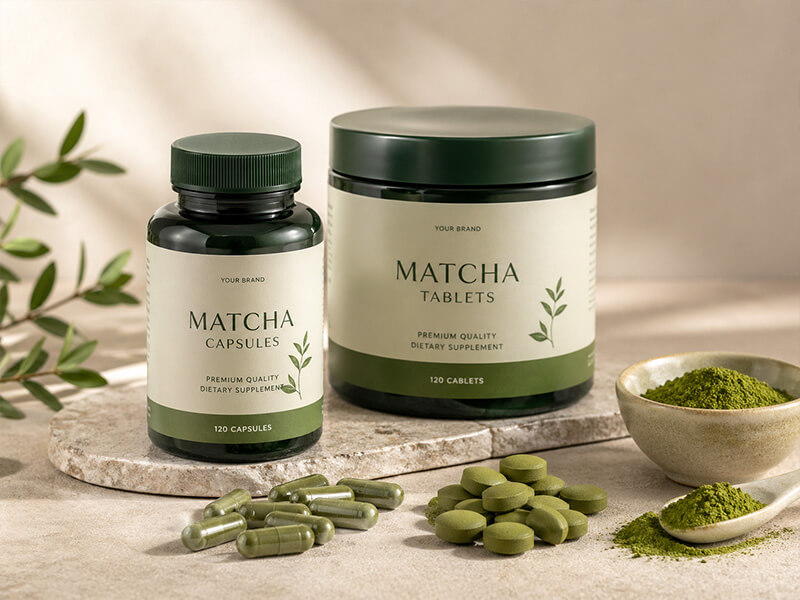
Capsules
Review fill weight, capsule count, ingredient specification, flow, and supporting documents.
Evaluate matcha as an ingredient in your intended supplement format, with clear identity, inclusion level and physical manufacturing requirements.
Whole-leaf matcha powder is not automatically equivalent to a standardized tea extract. Request product-specific specifications and tests; review any label or performance claims for the complete formula and market.
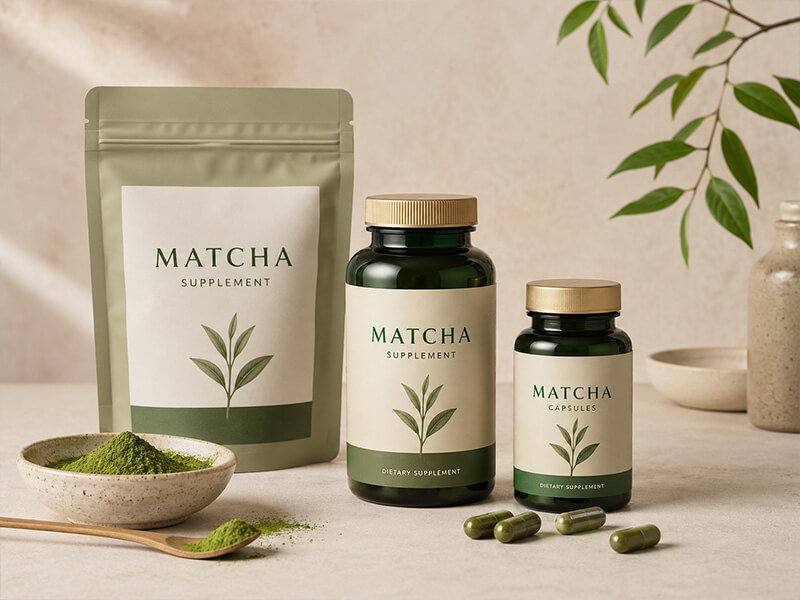
The right shortlist depends on dosage form, serving size, formula, claims, quality limits, document requirements, and manufacturing route.
| Review Area | What to Confirm | Why It Matters |
|---|---|---|
| Ingredient Identity | Product name, origin, processing and specification | Keeps purchasing, formulation and labeling aligned |
| Batch Quality | COA values, microbiology, heavy metals and residues | Supports supplier and lot approval |
| Physical Properties | Appearance, fineness, moisture and handling | Affects blending, filling and finished-product consistency |
| Formulation Fit | Dose, taste, color and ingredient interaction | Determines product feasibility and consumer experience |
| Market & Claims | Destination rules, label language and evidence | Reduces unsupported claims and artwork revisions |
Form, serving size, formula complexity, claims, taste, color, and stability influence the ingredient direction and testing plan.
Review fill weight, capsule count, ingredient specification, flow, and supporting documents.
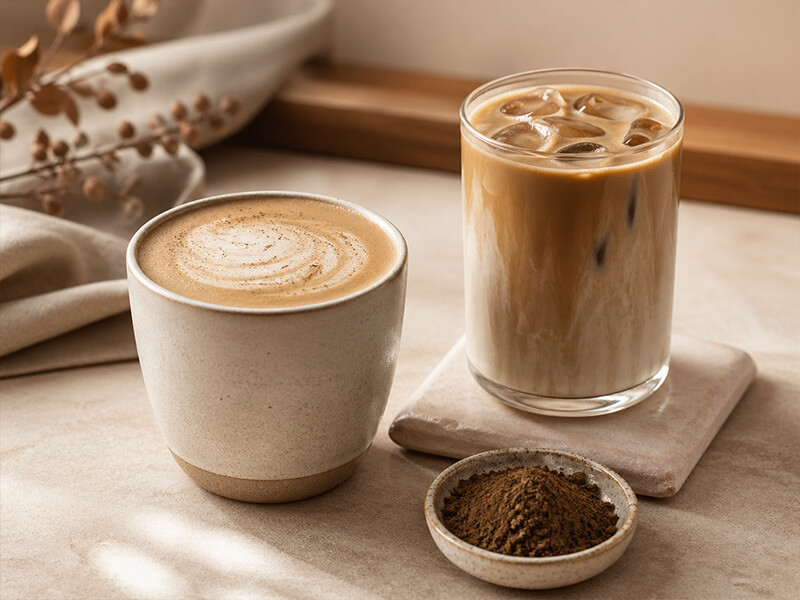
Evaluate taste, color, sweetness, dispersion, serving size, and compatibility with other ingredients.
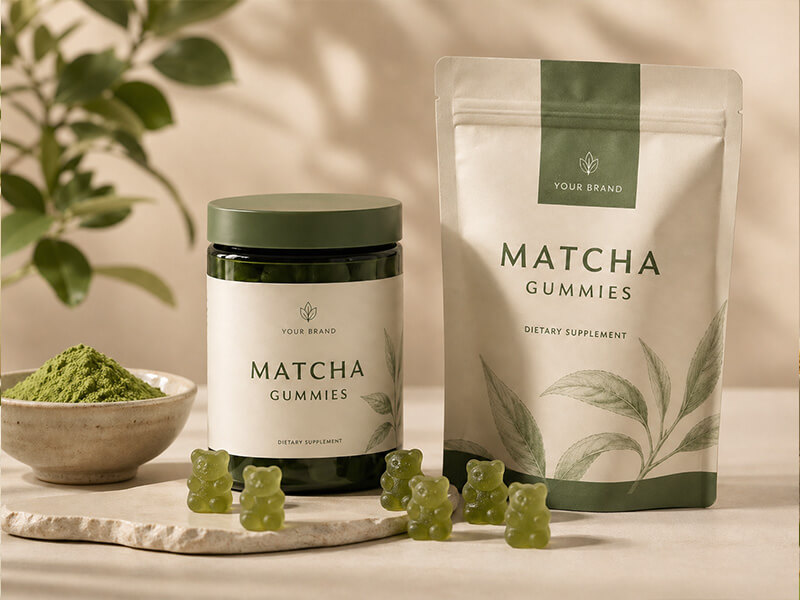
Consider heat, moisture, flavor, color, dosage, and the complete manufacturing process.
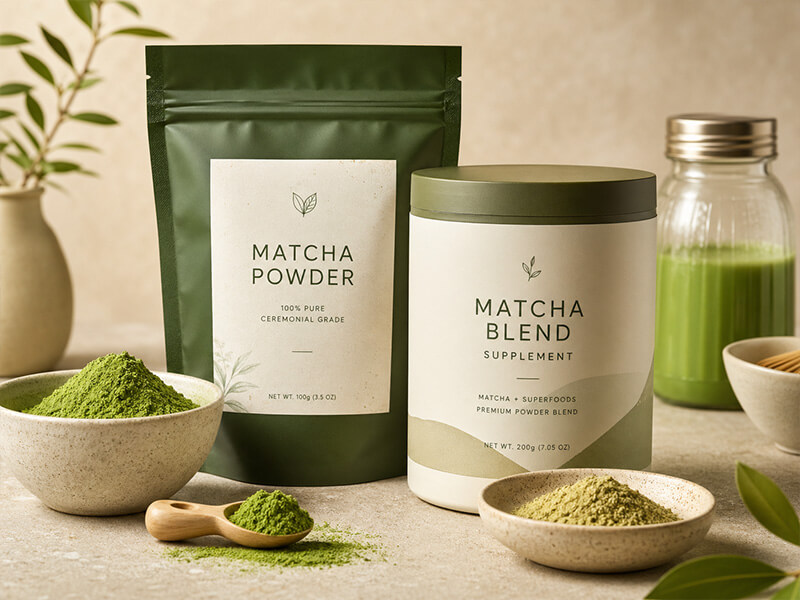
Matcha for blended powders, nutrition concepts, and functional food formats that require taste, color, dosage, and stability review.
The exact package depends on the selected product, customer quality system, destination market, and manufacturing route.
Product description, physical properties, shelf life, storage, and packaging information.
Batch-specific results for agreed specification and safety parameters.
Microbiology, heavy metals, pesticide residues, or other requested parameters where applicable.
Current quality certificates, traceability information, and manufacturing records for review.
Provide the formula and supplier-approval requirements early so the shortlist includes the right product, testing, documents, and supply route.
Connect ingredient selection, prototype trials, documentation, and manufacturing approval before confirming the commercial product.
Share dosage form, serving size, other ingredients, claims direction, market, and quantity.
Compare specifications, testing scope, sensory profile, physical properties, and cost.
Test blending, filling, taste, color, texture, stability, and packaging compatibility.
Confirm the final specification, batch criteria, packaging, manufacturing route, and repeat supply.
Certificate scope must be verified for the exact product, manufacturing site, formula, market, and transaction before use in qualification or claims.
Certificates apply only to confirmed products, operators, production scopes, markets, and transactions. Request current copies before using claims or approving artwork.
Review Certification Details
Powder, extract and finished supplement are different purchasing scopes. Document what is being supplied and how your manufacturing team will evaluate it.
| Decision | What to Define | Approval or Quote Check |
|---|---|---|
| Identity | Whole-leaf powder or a specified extract | Do not assume an extract ratio, standardized content or caffeine level from the word matcha. |
| Manufacturing fit | Inclusion level, blend or dosage format | Trial flow, mixing, texture and other requirements in the intended manufacturing process. |
| Test scope | Required analytes, methods and batch coverage | Request agreed specifications and relevant batch results; extra assays require confirmation. |
| Order scope | Bulk ingredient versus finished OEM product | Selected bulk-powder starting quantities do not set minimums for capsules, gummies or other finished formats. |
Suitability depends on the dosage form, serving size, complete formula, claims, destination market, and agreed specification.
No. Milligrams or grams of whole-leaf powder in a formula state the ingredient quantity, not a measured caffeine or other component level. Any component value needs an identified product, reporting unit, applicable test method and result. Do not infer it from the serving weight or a generic tea reference.
Only use a product-specific specification and appropriate test result for that claim. Whole-leaf powder should not be described as a standardized extract merely because both come from tea. Confirm the analyte and test method with your quality team.
No. Ingredient identity and documents support your review, but the complete formula, serving directions and claims require assessment for the destination market. Confirm responsibilities before any finished-product OEM work.
Matcha can be used in capsules, but fill weight, capsule size, powder flow, serving size, formulation, and label positioning should be evaluated during product development.
Available batch COA and testing reports depend on the product and agreed specification. Additional third-party testing may be coordinated for project requirements.
Yes, but the formula and process should account for heat, moisture, taste, color, serving size, and stability. Prototype trials are required.
OEM routes may include capsules, powders, gummies, sachets, and other formats depending on the formula, MOQ, packaging, and destination requirements.
Certified options may be available, but certification must cover the selected ingredient or complete formula and applicable production scope. Verify current documents before claims or artwork approval.
Share the dosage form, serving size, complete formula, destination market, documentation requirements, and expected volume. We’ll prepare relevant product options for review.