
Roasted Aroma
Warm toasted notes create a recognizable specialty tea profile.
Compare hojicha powder by roast intensity, aroma, bitterness, finish, milk compatibility, finished-product color, and target cost.
Choose roasted tea powder or a formulated hojicha drink mix, then compare the roast in your intended recipe. Keep the approved sample, ingredient list, and serving method together; any caffeine claim needs evidence for that named product.
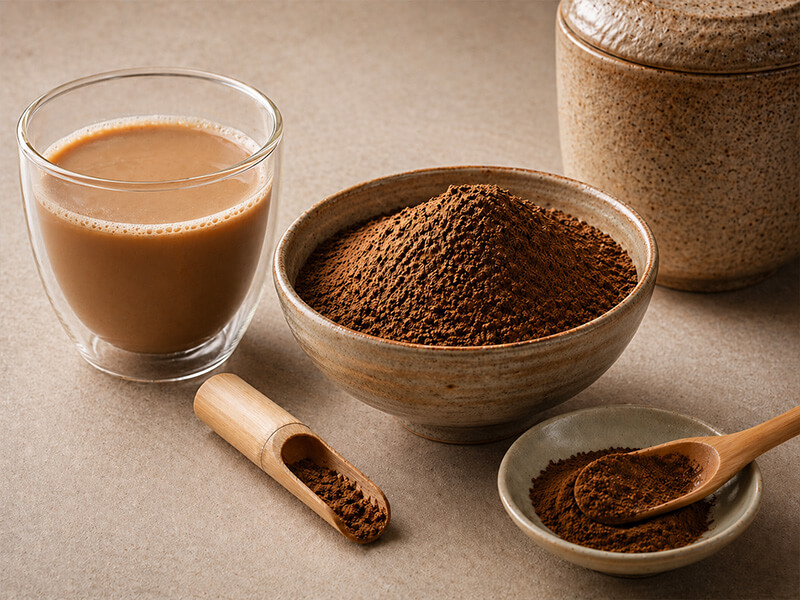
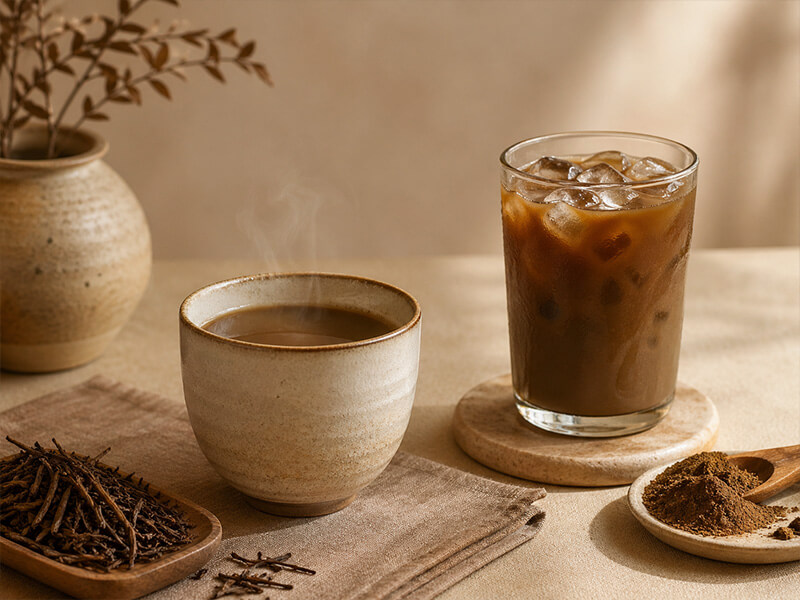
Hojicha powder is not matcha. Its roasted aroma, brown color, and mellow tea character create a different beverage and food experience.
Warm toasted notes create a recognizable specialty tea profile.
A softer, rounder drinking direction than bright green matcha concepts.
Supports roasted, caramel, bakery, and dessert visual positioning.
Gives cafés and brands a second tea-powder category beyond matcha.
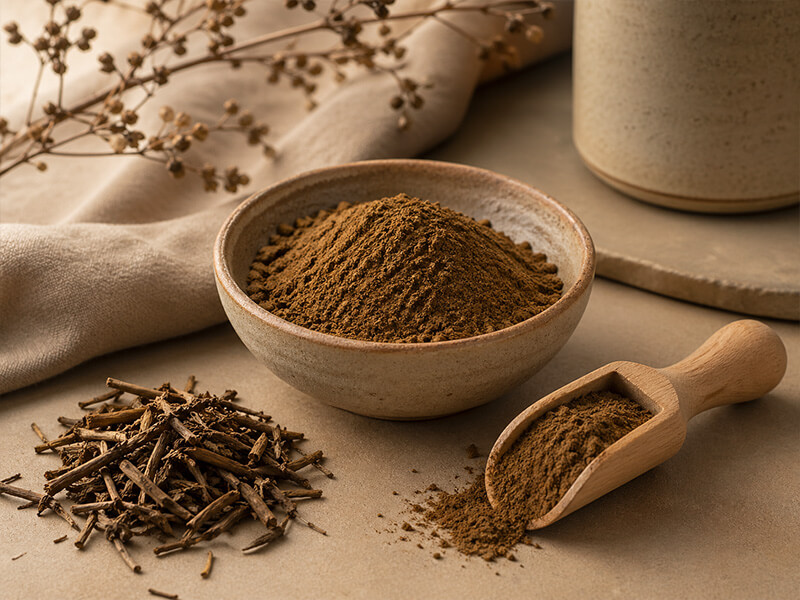
The preferred hojicha depends on the application and brand position. Samples should be compared for aroma, roast depth, bitterness, milk balance, and finish.
A gentler roasted character where tea aroma and a lighter finish remain important.
A versatile middle profile for lattes, café drinks, and retail concepts.
A stronger toasted identity for buyers seeking a darker, more pronounced profile.
Check whether the roast remains clear after dairy or plant-based milk is added.
Review interaction with sugar, fat, chocolate, caramel, and bakery flavors.
Avoid an overly burnt, harsh, or dusty finish that weakens repeat consumption.
Use these role-based criteria to prepare a focused sample and document review. This section is an evaluation checklist, not a customer testimonial.
Compares roast intensity in the actual milk base and avoids profiles that become burnt or disappear after sweetening.
Checks how roast aroma changes with dairy, sugar, fat, heat, freezing, and storage.
Reviews product differentiation, education needs, packaging, documentation, and repeat-supply potential.
Evaluate the powder inside the actual product because milk, sweetness, fat, heat, and serving temperature can change the preferred roast profile.
Hot and iced milk-based drinks with a warm roasted tea identity.
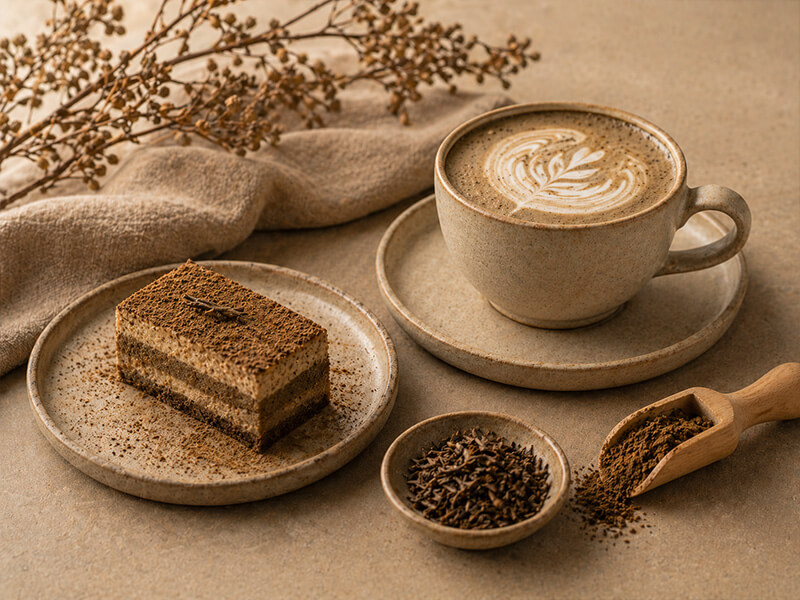
Seasonal, signature, and lower-color-dependence menu concepts for cafés.
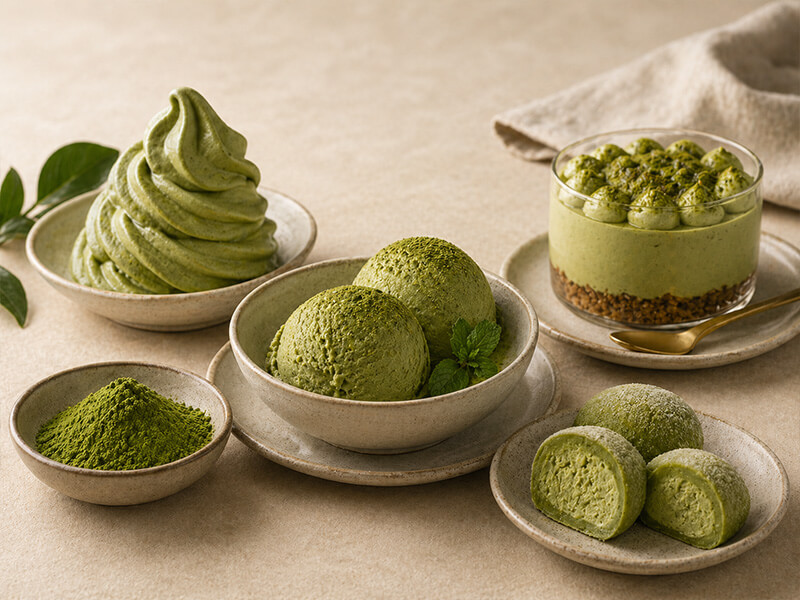
Roasted flavor for dairy desserts, frozen products, sauces, and fillings.
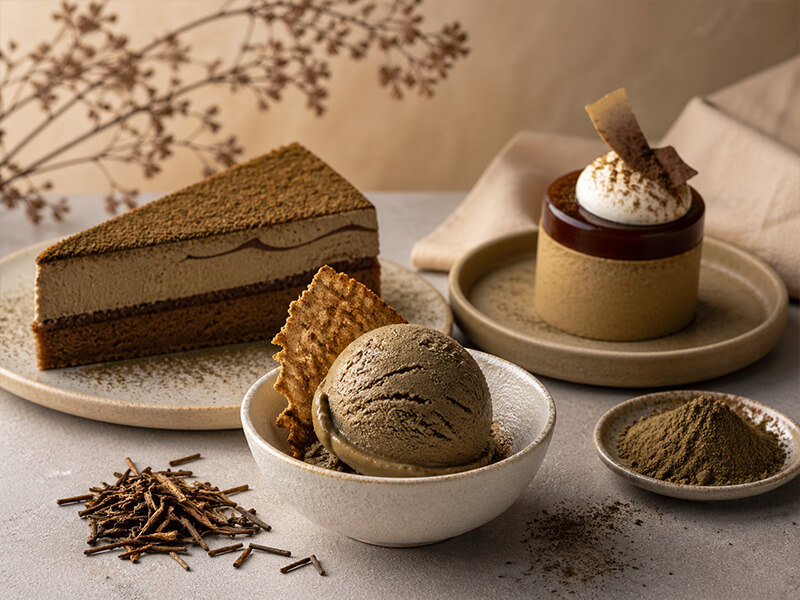
Powder for cakes, cookies, drink mixes, pouches, tins, and private label lines.
Control the recipe and preparation method so the roast profile can be compared fairly.
Compare freshness, roast aroma, sweetness, and any burnt or stale notes.
Review the tea character, bitterness, body, and finish without recipe interference.
Use the actual milk, sweetener, food system, dosage, and process planned for sale.
Compare sensory result, packaging, documents, price position, and repeat-supply needs.
Hojicha powder should be protected from moisture, oxygen, heat, light, and strong surrounding odors. Packaging units should fit usage and stock rotation.
For foodservice, manufacturing, distribution, or repacking projects.
For branded hojicha latte, specialty tea, and consumer powder products.
For single-serving convenience where project MOQ and packing feasibility allow.
Coordinate inner protection, carton labels, pallet planning, and delivery conditions.
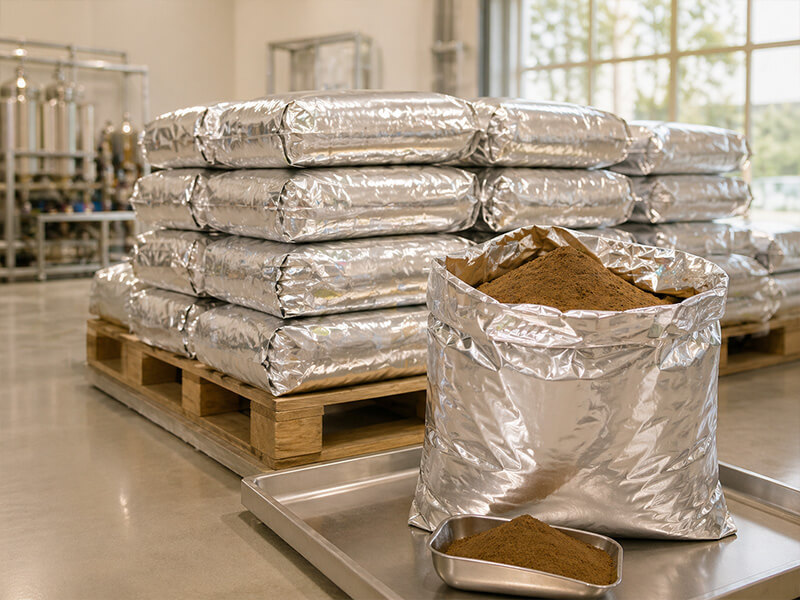
Keep the selected tea powder and recipe reference together so roast preferences, pricing, and repeat-supply decisions refer to the same product.
| Decision | Information to Record | How It Helps Approval |
|---|---|---|
| Powder or drink mix | Roasted tea identity, ingredient list, any sugar, flavors, or carriers | Specify whether the order is tea powder or a formulated beverage blend. |
| Roast comparison | Sample reference, powder dosage, base, aroma, bitterness, finish | Compare the preferred roast under equal preparation conditions. |
| Customer positioning | Intended menu wording, flavor description, any caffeine claim | Use product-specific evidence for analytical claims. |
| Opening and replenishment | Pack weight, usage rate, sealed storage instructions, reorder volume | Choose a pack and supply plan that fit the menu or production line. |
First compare the powders under equal conditions, then refine the recipe for the shortlisted roast. Keeping those stages separate makes it easier to understand whether a change came from the powder, the dose, or the drink base.
Use the same dose, liquid base, sweetener, equipment, and temperature for the first comparison. Record toasted aroma, bitterness, mouthfeel, and finish for each sample, including any roast note that becomes dominant or disappears in milk.
Adjust the selected powder within your intended recipe, recording each change. Compare the finished drink at the serving temperature and holding period you plan to use, then calculate cost using the dose that achieved the accepted result.
Link the approved drink recipe to the powder code, sample or lot reference, composition, and agreed specification. Record the preferred roast description and pack format so future discussions refer to the same product and preparation.
Food-safety and market-specific documents are confirmed for the selected hojicha powder, production scope, destination market, and commercial application.
Certificates apply only to confirmed products, operators, production scopes, markets, and transactions. Ask for current copies before using a claim or approving artwork.
Review Certification Details


Answers are product-specific. Final specifications, certificates, testing, MOQ, and commercial terms are confirmed for the selected project.
Matcha is a green tea powder with a fresh green profile, while hojicha powder is roasted tea powder with a brown appearance and toasted aroma. Identify the tea powder and its ingredient list separately from a formulated hojicha drink mix, then compare the relevant sample and recipe before approving the product description.
The preferred roast depends on the milk base, sweetness, dosage, cup size, and desired toasted intensity. Test several roast directions in the final recipe.
Yes. It can be evaluated in bakery, chocolate, dairy desserts, ice cream, sauces, and fillings, but the actual recipe and process should be tested.
Caffeine can vary by raw material and product. Do not make a specific low-caffeine claim without product-level evidence and market review.
Selected bulk and private label routes can be discussed according to product, quantity, packaging, artwork, documents, and destination market.
Record the powder identity, sample code, recipe base, dose, preparation conditions, and preferred aroma, bitterness, mouthfeel, and finish. Keep the accepted recipe and specification with that reference so purchasing and product teams can review a repeat batch against the same approval.
Use the same powder dose, milk or plant-based base, sweetener, temperature, and equipment. Compare toasted aroma, bitterness, mouthfeel, and finish, then calculate powder cost at the approved dose. Record the sample reference for future supply discussions.
Share the intended drink or food, milk or recipe base, desired roast intensity, quantity, packaging, and destination market.