
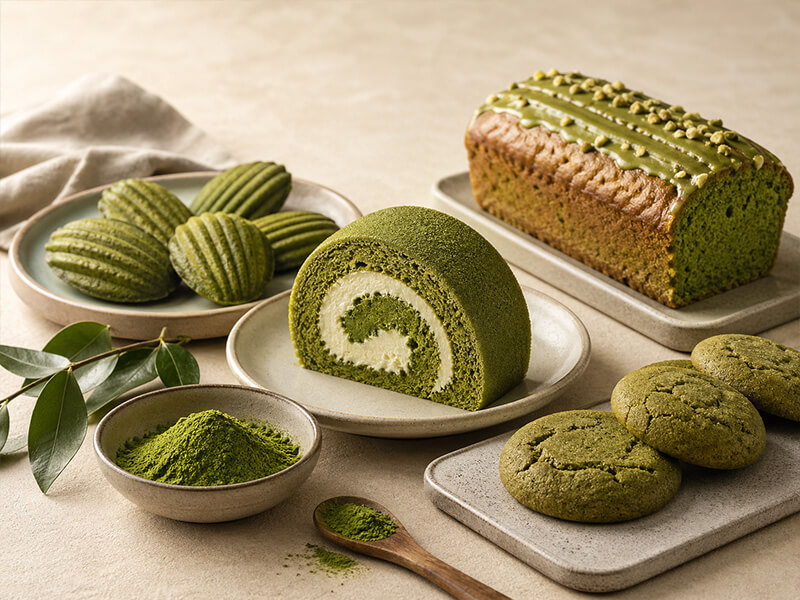
Bakery & Pastry
Review color and tea flavor after mixing, baking, cooling, and storage.
Compare culinary matcha in the finished bakery, confectionery, dessert, ice cream, chocolate, or manufactured food product—not only as dry powder.
Select culinary matcha by the food you will manufacture and approve it after the actual process and storage trial. Keep the recipe, powder dose, and accepted result with the ingredient reference so purchasing and production review the same product.
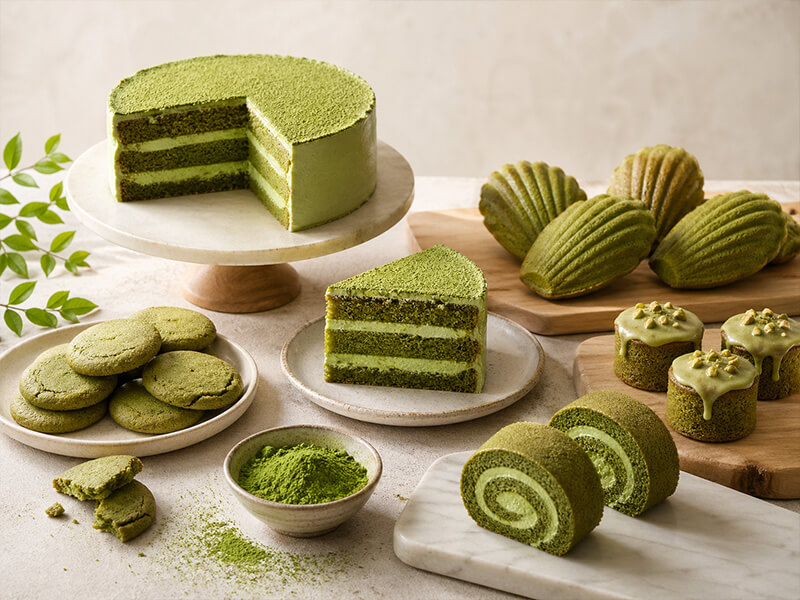
A matcha that works in one food system may not perform the same way in another. Recipe composition, processing, storage, and desired positioning all matter.
Review color and tea flavor after mixing, baking, cooling, and storage.
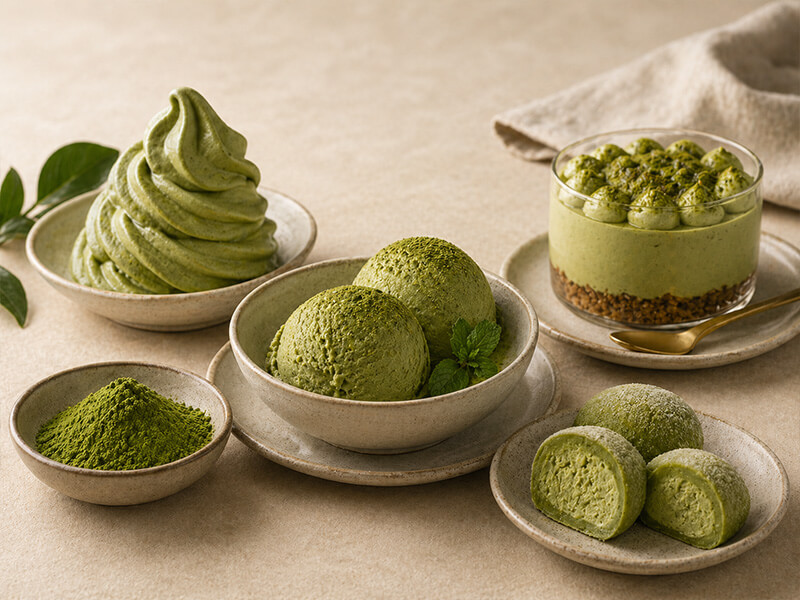
Balance tea intensity with dairy, sugar, fat, freezing, and serving temperature.
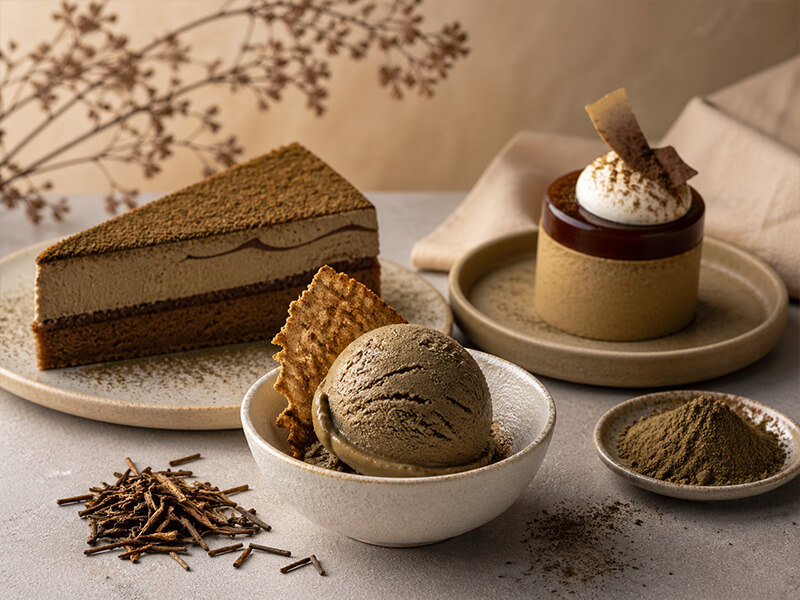
Test flavor interaction, fat content, sweetness, color, and shelf-life appearance.
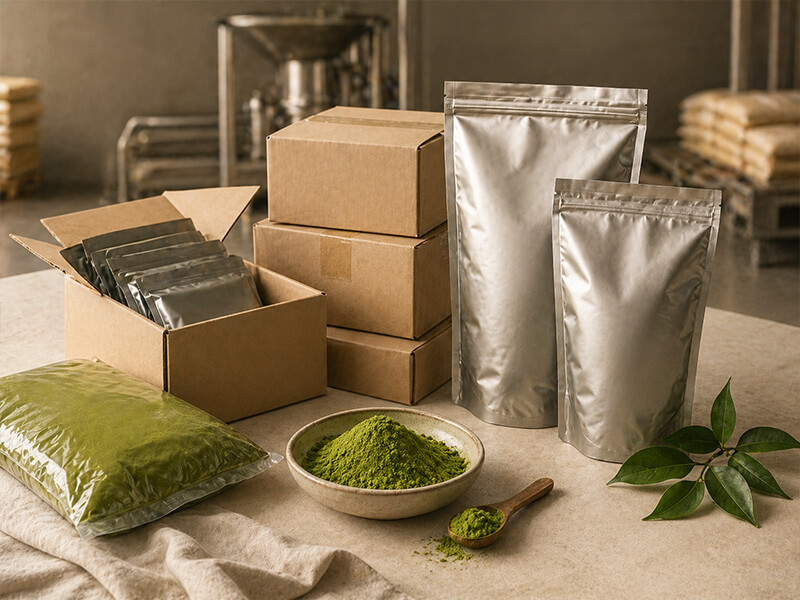
Coordinate powder specification, dosage, blending method, packaging, and repeat production.
Finished-product testing is essential because heat, sugar, fat, moisture, pH, and storage can change both color and flavor perception.
Compare the product before and after baking, cooking, pasteurization, or other thermal steps.
Sweetness can reduce bitterness but may also soften the perceived tea character.
Fat can change aroma release, mouthfeel, and the amount of matcha needed for a clear flavor.
The recipe system may influence dispersion, color, and stability during storage.
Assess the lowest practical dosage that reaches the approved sensory target.
Observe the final food under the expected packaging, light, and storage conditions.
Use this matrix to prepare a useful sample brief and avoid selecting matcha only from powder color.
| Product Category | Primary Selection Priority | Recommended Trial |
|---|---|---|
| Baked goods | Flavor after heat and visible color in crumb or surface | Bake the same formula with each sample |
| Ice cream | Tea intensity in a cold, sweet, high-fat base | Compare after freezing and tempering |
| Chocolate | Flavor interaction, color, mouthfeel, fat compatibility | Test in the actual chocolate or coating system |
| Dessert mixes | Dispersion, sweetness balance, repeatable preparation | Test the full consumer or foodservice method |
| Industrial premixes | Specification, blending behavior, consistency, supply | Run a pilot blend before scale-up |
Use these role-based criteria to prepare a focused sample and document review. This section is an evaluation checklist, not a customer testimonial.
Compares the finished crumb and flavor after baking rather than approving the powder by color alone.
Checks tea intensity after freezing because cold temperature and dairy can reduce perceived flavor.
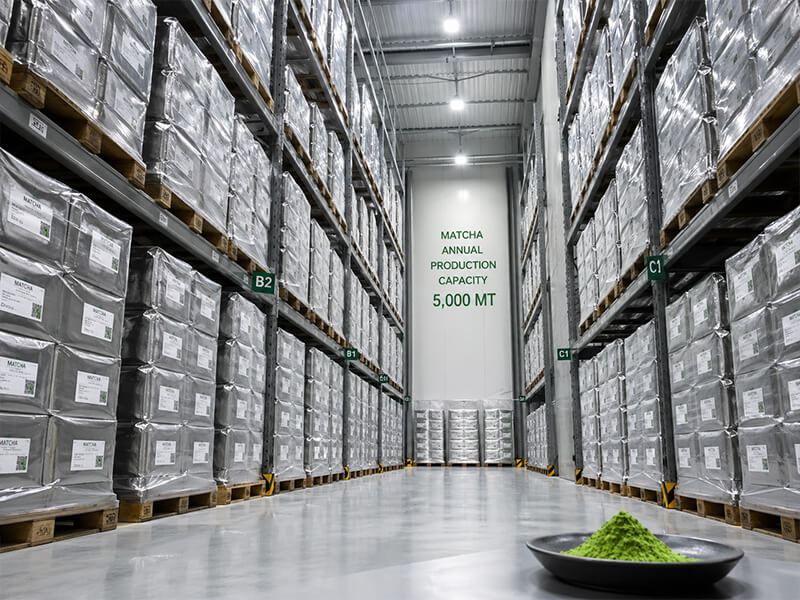
Reviews pilot performance, specification, batch records, packaging units, lead time, and annual volume planning.
A staged trial reduces the risk of approving a powder that changes during commercial processing.
Prepare small controlled trials using one fixed recipe and process.
Confirm mixing, process behavior, finished color, flavor, and yield at a larger scale.
Align product parameters, COA, testing, packaging, and storage requirements.
Approve the product direction and repeat-supply plan before full production.
Protecting matcha from heat, light, moisture, oxygen, and repeated opening is important after delivery. Packaging should fit both order volume and daily production use.
Suitable for commercial ingredient supply and controlled warehouse handling.
Use pack sizes that reduce unnecessary opening and exposure during daily manufacturing.
Coordinate inner protection, carton strength, labels, pallet planning, and delivery route.
Keep unopened and opened product under the agreed conditions and track lot usage by production batch.
Record the recipe and process used for each sample instead of treating a culinary grade description as a promise of color retention under every condition.
| Decision | Information to Record | How It Helps Approval |
|---|---|---|
| Bakery trial | Recipe, matcha dosage, baking temperature and time, cooling, storage | Compare the cooled product and the planned display or storage period. |
| Chocolate or dry blend | Mixing order, fat or powder base, equipment, visible specks, mouthfeel | Review distribution and texture in the production format. |
| Frozen dessert | Base recipe, mixing, thermal treatment if used, freezing, serving temperature | Taste and compare color at the point the customer will consume it. |
| Production approval | Finished-product reference, ingredient lot, packaging, acceptance criteria | Connect sample approval to a repeatable manufacturing record. |
The two buying routes can overlap. Use a culinary brief when the main decision is color and flavor in a finished food; add a technical ingredient brief when analytical criteria or a manufacturing specification also determine approval.
For a cake, chocolate, or frozen dessert, identify the recipe category, addition rate, mixing stage, processing conditions, and serving format. Compare samples after the relevant process and retain a reference for the result you approved.
For a premix or contract manufacturing project, identify the supplied ingredient and the parameters your quality team must review. State required methods, units, documents, and acceptance criteria separately from the preferred taste or appearance.
Keep the product code, ingredient specification, recipe version, trial conditions, and finished-food approval together. When a powder or process changes, use this record to decide which comparison needs repeating before the next production order.
Manufacturing-system certificates and batch documents are reviewed for the selected culinary matcha, food process, and destination market.
Certificates apply only to confirmed products, operators, production scopes, markets, and transactions. Ask for current copies before using a claim or approving artwork.
Review Certification Details

Answers are product-specific. Final specifications, certificates, testing, MOQ, and commercial terms are confirmed for the selected project.
The right matcha depends on baking temperature, recipe composition, dosage, target color, flavor intensity, and cost. A controlled bake test is the best selection method.
Heat and the full recipe environment can change color. Buyers should compare samples after the actual processing and expected storage conditions.
Yes, but each food system should be tested separately because fat, sugar, temperature, and processing influence the result.
Share the finished product, formula category, process, heat exposure, dosage range, target color and taste, estimated volume, and market.
Yes. Bulk foil bags and export cartons can be discussed according to the selected product, order quantity, and production handling requirements.
No universal result can be inferred from the grade name. Compare samples in the same recipe, dosage, and time-temperature process, then review the cooled product and planned storage period. Agree an acceptable result for that application before approving supply.
Compare price together with the approved dosage and finished-product result. A powder that needs a different addition rate may change recipe cost, flavor, texture, or appearance. Use the trial record and specification to compare quotations on the same basis.
Share your recipe category, processing method, dosage range, target color and flavor, expected quantity, and destination market.