
Requirement Brief
Application, market, quantity, claims, quality parameters, and packaging route are defined.
A buyer-focused overview of how we support grade selection, application evaluation, processing, batch quality review, packaging, and reliable repeat supply.
Start with the finished product and target market. We then help translate those requirements into samples, specifications, documents, packaging, and a workable production plan.
A defined approval path reduces guesswork and keeps product fit, quality expectations, packaging, and production decisions aligned.
Application, market, quantity, claims, quality parameters, and packaging route are defined.
Several suitable matcha options are selected for commercial comparison.
Samples are evaluated in the intended drink, food, supplement, or retail format.
Product profile, documents, packaging details, and commercial terms are confirmed.
The approved project moves into production, release review, and delivery planning.
Each project is evaluated by commercial use, quality requirements, packaging route, and repeat-supply expectations—not by a generic grade list alone.
Shortlist matcha by color, aroma, taste, particle profile, certification needs, target cost, and intended market.
Explore Capability
Compare dispersion, milk compatibility, heat response, flavor intensity, and visual performance in the final recipe.
Explore Capability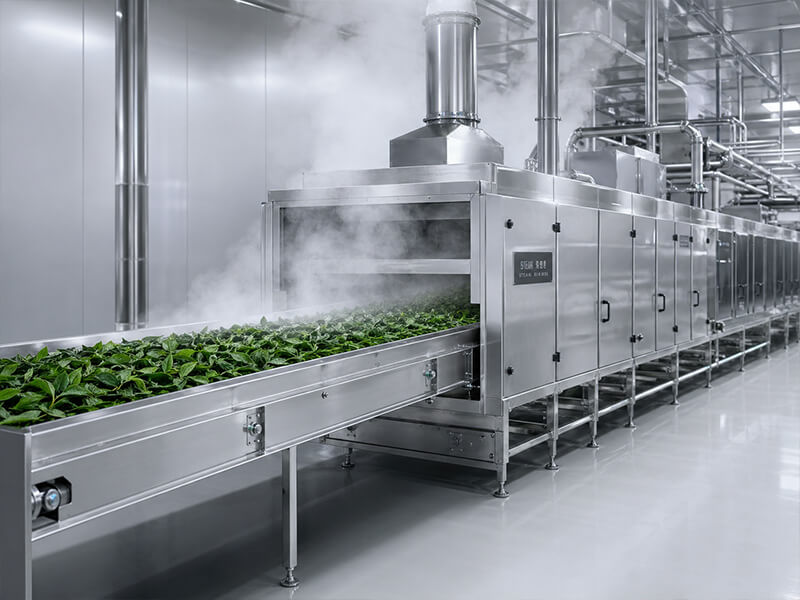
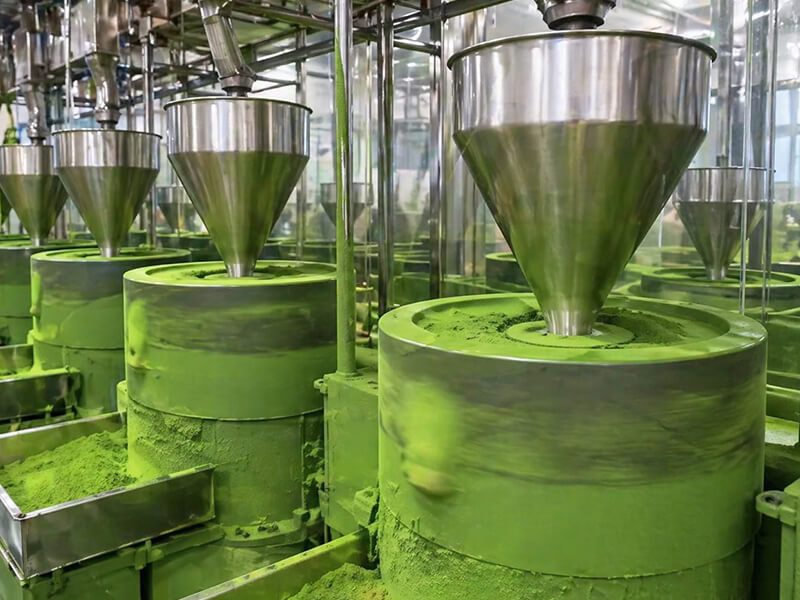
Coordinate the processing route and milling profile required for the approved commercial matcha specification.
Explore Capability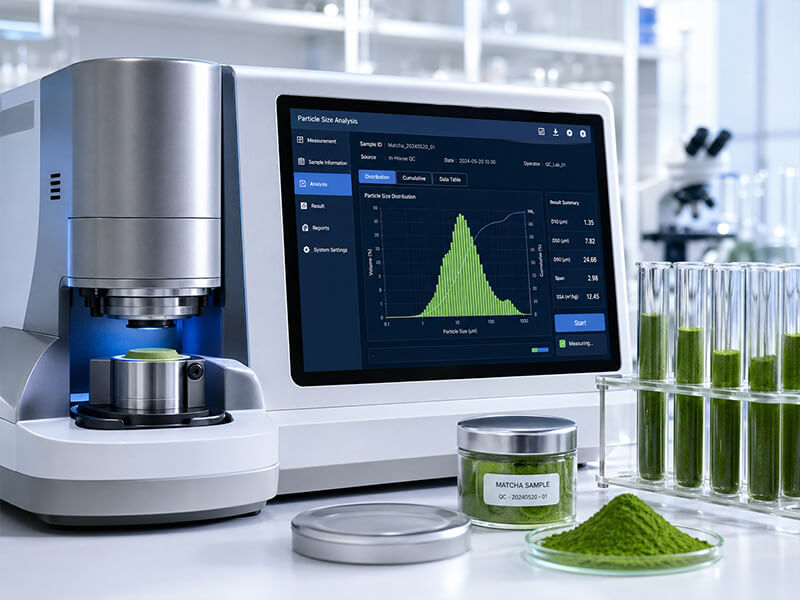
Review specifications, batch COA, residue requirements, microbiology, heavy metals, and applicable certification files.
Explore Capability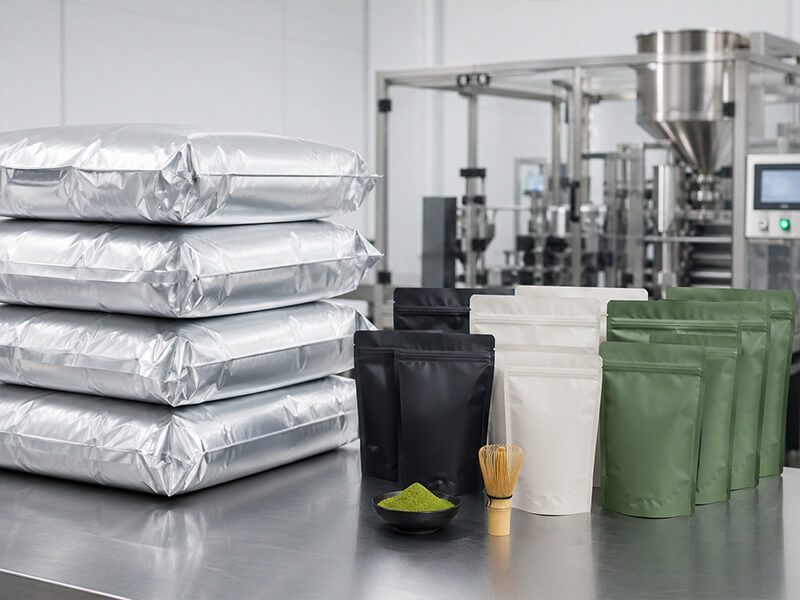
Prepare bulk foil bags, export cartons, pouches, tins, jars, or sachets according to the project and distribution model.
Explore Capability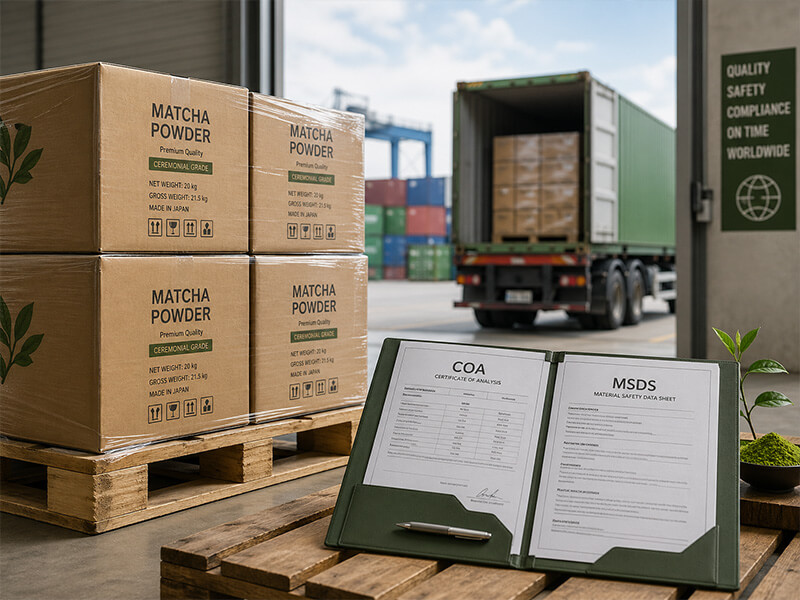
Align documentation, delivery coordination, replenishment timing, and future batch planning for ongoing B2B supply.
Explore CapabilityTesting and document availability depend on the selected product, destination market, and project requirements. The applicable review scope is confirmed before production.
Explore COA & Lab TestingIdentity, appearance, aroma, moisture, and available supplier records are checked before processing.
Processing conditions and batch handling are monitored against the approved production route.
Sensory profile, specification parameters, and applicable safety testing are reviewed before release.
Seal integrity, packaging format, labels, batch coding, and export-carton details are verified.
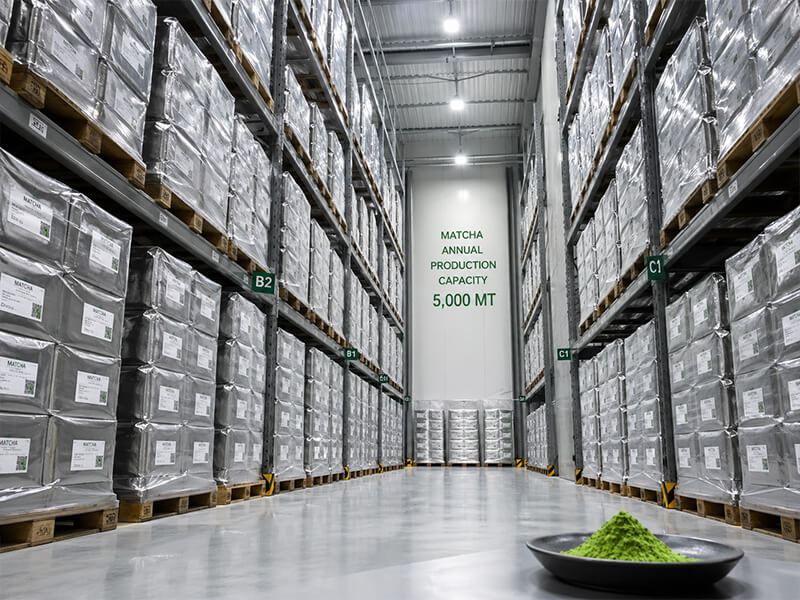
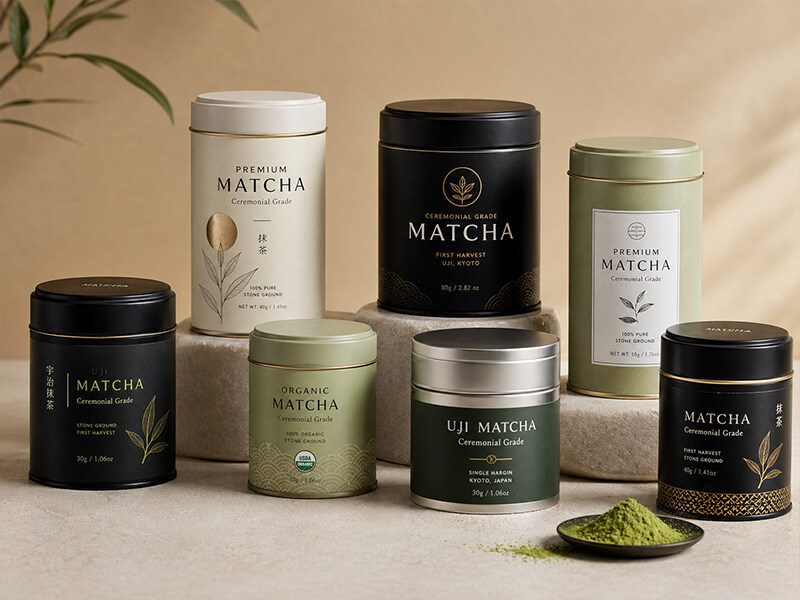
Packaging is selected according to order size, handling conditions, product positioning, printing requirements, and the buyer’s distribution model.
Explore Packaging & StorageKeep the product code, approved sample, specification version, packaging version and required batch files together. For a proposed change, record what changed and which sample, document or packing approval needs to be repeated before production.
Recommended matcha options aligned with your application and target cost.
A clear product profile covering the agreed technical and sensory requirements.
Applicable COA, specifications, testing records, traceability, and certification support.
Confirmed bulk or retail format, artwork requirements, coding, and carton details.
Production timing, delivery coordination, and repeat-order planning for the next cycle.
Answers about grade selection, custom development, quality documentation, packaging, and repeat production.
Please share the intended application, target market, expected quantity, preferred color and flavor, certification needs, packaging format, and target cost range.
Yes. We can shortlist multiple options for side-by-side evaluation so buyers can compare sensory profile, application performance, documentation, and commercial fit.
Application-led adjustments can be reviewed for color, flavor, dispersion, texture, sensory performance, and selected blending requirements, subject to feasibility and MOQ.
Depending on the product and project, documents may include batch COA, specifications, microbiology and heavy-metal results, pesticide-residue testing, traceability records, and applicable certificates.
Projects may use bulk foil bags, export cartons, pouches, tins, jars, sachets, or other agreed formats for foodservice, manufacturing, distribution, and private label.
Yes. Once a project specification is approved, repeat orders can be planned around the confirmed product profile, packaging requirements, batch review, and delivery schedule.
Annual capacity alone does not answer when a particular grade and packing format can be delivered. Use the approved product and order schedule to review the production route.
| Planning point | Confirm with the quotation | Buyer input |
|---|---|---|
| Selected grade | Current availability, batch size and the approved specification. | Sample reference and application. |
| Packing route | Bulk or retail format, fill weight, artwork and packing-material readiness. | Quantity per SKU and packaging brief. |
| Quality release | Required batch records, requested testing and release checkpoints. | Document list and review deadline. |
| Repeat orders | Forecast window, replenishment schedule and any allocation assumptions. | Expected demand and requested dispatch dates. |
We’ll help shortlist suitable matcha options and define the next steps for sampling, specification approval, quotation, and production.