
Matcha-Forward
Keep tea character central while adding a supporting flavor note.
Develop a flavored matcha concept around the target consumer, flavor direction, sweetness, serving format, packaging route, and market position.
Define the blend composition, matcha proportion, sweetening system, and serving instructions as one product brief. Keep each sample and revision tied to a formula reference so taste feedback, label review, packaging, and costing follow the same approved version.
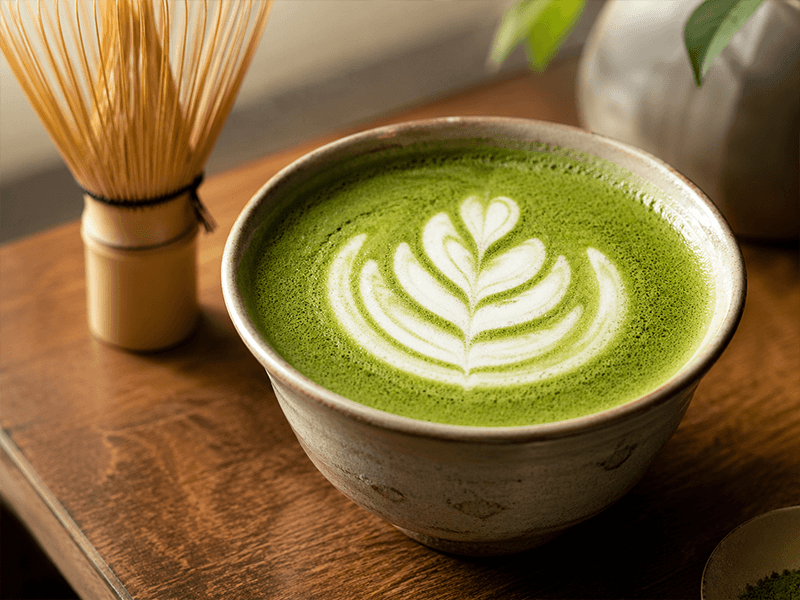
A flavored matcha project should define the role of matcha, the flavor system, sweetness, preparation, and market position before samples are developed.
Keep tea character central while adding a supporting flavor note.
Use flavor and sweetness to create a more approachable first matcha experience.
Develop a distinctive hot, iced, or blended drink concept for a menu program.
Create a repeatable powder format with clear preparation instructions and serving size.
Build a limited-time flavor direction around a launch calendar or campaign.
Combine matcha with flavor direction while leaving sweetness to the buyer or end user.
These are concept directions rather than guaranteed stock flavors. Final ingredients, claims, allergen status, color, sweetness, and MOQ depend on the approved formula and market.
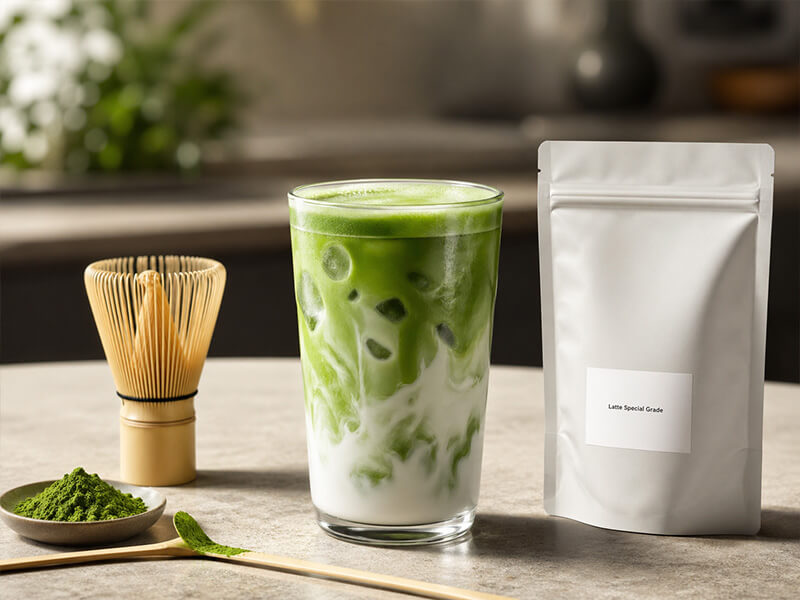
Vanilla, coconut, white chocolate, or similar directions for approachable latte concepts.
Strawberry, mango, berry, citrus, or other fruit-inspired directions for modern beverages.
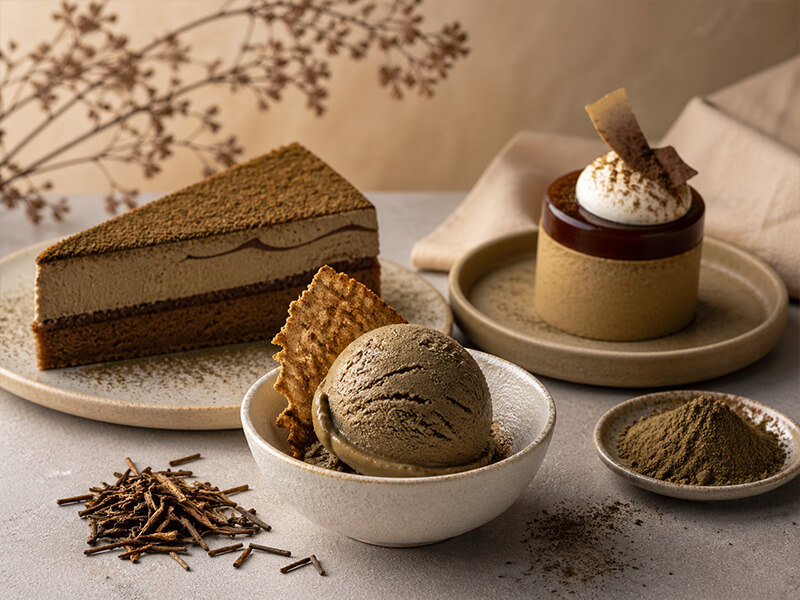
Caramel, toasted, nutty, or dessert-style directions for indulgent menu positioning.
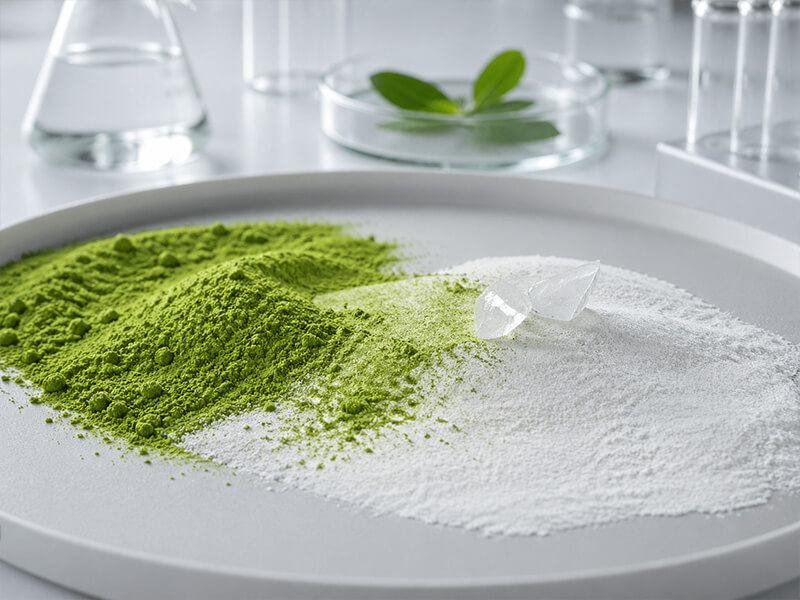
Coordinate matcha with other permitted ingredients where the finished-market rules and formulation allow.
Use these role-based criteria to prepare a focused sample and document review. This section is an evaluation checklist, not a customer testimonial.
Needs a flavor direction that is distinctive but still easy for staff to prepare and explain to customers.
Balances taste, sweetness, packaging appearance, serving instructions, MOQ, and target retail price.
Looks for a product story with practical documentation, stable supply, and enough differentiation for the target market.
A structured development process keeps flavor expectations, formulation feasibility, packaging, and price position aligned.
Define target consumer, format, preparation, flavor direction, sweetness, claims, market, and target cost.
Select the matcha base and supporting flavor, sweetener, color, or functional ingredients for review.
Test taste, aroma, appearance, preparation, dosage, and consumer positioning; then consolidate revisions.
Confirm formula, specification, packaging, MOQ, artwork, documents, production, and launch timing.
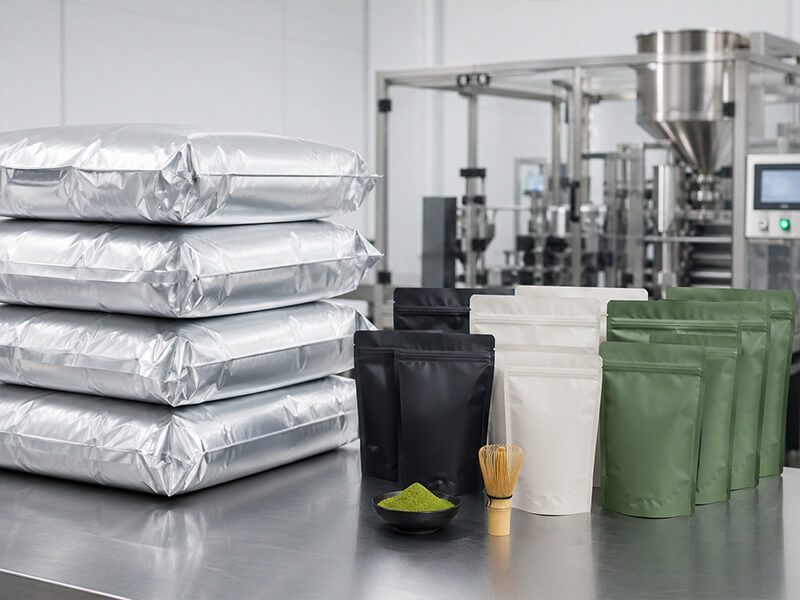
Packaging format changes serving size, preparation, freshness protection, artwork area, printing MOQ, and cost. Decide the route early in development.
Flexible retail format for multi-serving flavored matcha and drink mixes.
Presentation-led packaging for premium retail and gifting positions.
Single-serving convenience with higher printing and packing requirements.
Suitable for café preparation, back-of-house use, and repacking programs.
The same flavor concept may need a different sweetness, serving format, pack size, and price position across café, retail, and distribution channels.
| Sales Route | Product Priority | Commercial Question |
|---|---|---|
| Café menu | Fast preparation, strong visual appeal, recipe repeatability | Can staff make it consistently during service? |
| Retail pouch or tin | Taste, instructions, packaging story, shelf position | Is the concept clear without staff explanation? |
| Single-serve sachet | Portion accuracy, convenience, print and packing MOQ | Does the unit economics support the channel? |
| Distributor line | Market fit, margin, documentation, repeat supply | Can the concept scale across multiple customers? |
| Private label launch | Formula ownership, artwork, claims, production timeline | Are all approvals aligned before printing? |
Use an agreed formulation reference to compare custom projects. Flavor names alone do not describe ingredient composition, preparation, or commercial scope.
| Decision | Information to Record | How It Helps Approval |
|---|---|---|
| Blend identity | Matcha proportion, ingredient list, sweeteners, flavors, and any carriers | Define the product composition being sampled and quoted. |
| Preparation format | Powder dose, water or milk base, equipment, hot or iced serving | Approve the complete customer preparation experience. |
| Label review | Ingredient declaration, allergen information, nutrition data needs, proposed claims | Confirm what evidence and destination review the finished formula requires. |
| Production and pack | Formula reference, fill weight, pack material, artwork, order size | Confirm the formula and packaging basis before commercial production. |
A flavor name is not enough to identify a custom blend. Agree a revision record with the supplier so every tasting decision, quotation, and packaging discussion refers to a named formula and preparation method.
Record the sample code, formula reference, date, powder dose, liquid base, and preparation instructions. Keep the agreed ingredient and sweetness direction with the record so feedback can be assigned to the correct version.
Compare aroma, tea intensity, sweetness, mouthfeel, and finish under the same preparation conditions. State which changes are requested and which qualities should remain, then confirm the next evaluation scope rather than combining feedback from different recipes.
Before production approval, connect the accepted sample and formula reference with the ingredient declaration, serving instructions, fill weight, packaging format, and artwork version. Confirm any outstanding document or destination-market review before printing is authorized.
Certification availability depends on the complete formula, flavor ingredients, sweetener, production route, destination market, and intended claim.
Certificates apply only to confirmed products, operators, production scopes, markets, and transactions. Ask for current copies before using a claim or approving artwork.
Review Certification Details
Answers are product-specific. Final specifications, certificates, testing, MOQ, and commercial terms are confirmed for the selected project.
Flavor directions are developed according to the project brief. Feasibility depends on the matcha base, ingredients, sweetness, claims, format, destination market, MOQ, and target cost.
Unsweetened or alternative sweetness directions can be discussed, subject to formulation feasibility, ingredient availability, taste target, and market requirements.
The revision plan should be agreed before development. Efficient projects consolidate feedback on taste, aroma, color, sweetness, dosage, and preparation after each sample round.
Yes. Pouches, tins, jars, sachets, and other routes may be discussed according to formula, quantity, printing requirements, and production feasibility.
Share the target consumer, market, flavor direction, sweetness, serving format, pack size, claims, target cost, quantity, and launch timing.
No. An unsweetened flavored blend can still contain flavors, carriers, or other ingredients. Request the complete composition and ingredient declaration, then confirm the wording appropriate to the actual formula and destination market.
No performance should be assumed from the flavor description. Test the agreed dose in the intended liquid with the planned equipment and serving period. If fast preparation, low settling, or another process target matters, include it in the development brief and sample approval.
Send the flavor concept, sweetness preference, serving method, packaging route, destination market, target cost, and expected quantity.