
Product Coverage
Confirm that the exact matcha product is within the current certification scope.
Review certified organic matcha by product performance, certification scope, traceability route, destination market, and intended commercial claim.
Select the powder for your recipe while reviewing the current organic evidence for the exact product and supply route. Identify whether the order is bulk powder, a repacked retail product, or a new blend before approving claims or printing artwork.


Before using an organic claim, confirm that the selected matcha, certified operator, production activity, packaging route, and transaction documents support the intended market.
Confirm that the exact matcha product is within the current certification scope.
Review the legal entity and operation covered by the certificate.
Match the certification route to the destination market and intended label claim.
Confirm whether shipment-level or transaction documentation is required for the order.

Organic and food-safety documents are confirmed for the selected product, certified operator, transaction route, destination market, and intended claim.
Certificates apply only to confirmed products, operators, production scopes, markets, and transactions. Ask for current copies before using a claim or approving artwork.
Review Certification Details

A traceability review connects the approved product with sourcing, processing, packing, batch records, and export documents.
Confirm the certified supply route and the product covered by the applicable organic system.
Review whether relevant processing and handling activities are included in the approved scope.
Align bulk or retail packaging with certification, artwork, and claim requirements.
Confirm batch, traceability, certificate, transaction, and export files required for delivery.
Organic certification does not determine the sensory grade. Buyers still need to select by application, quality target, and cost.

For cafés, drink mixes, and beverage brands requiring an organic ingredient route.
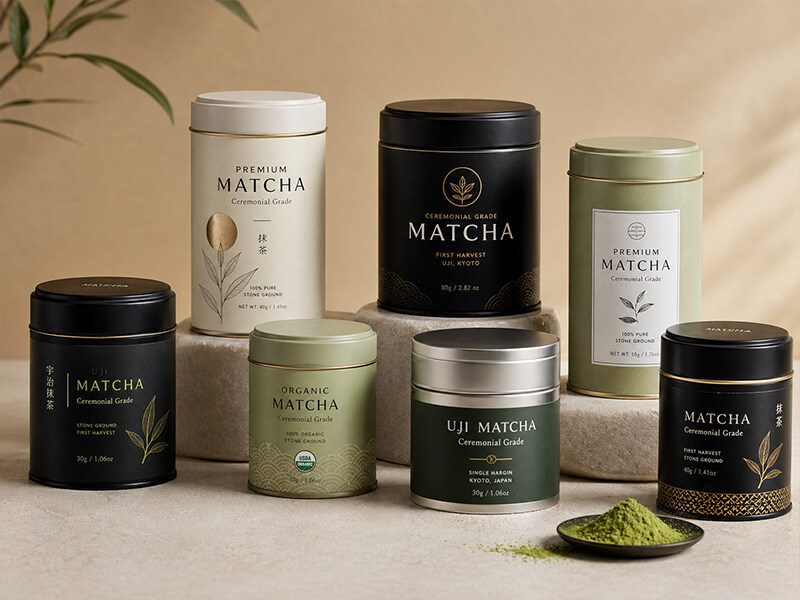
For tins, pouches, and premium retail ranges positioned around organic sourcing.
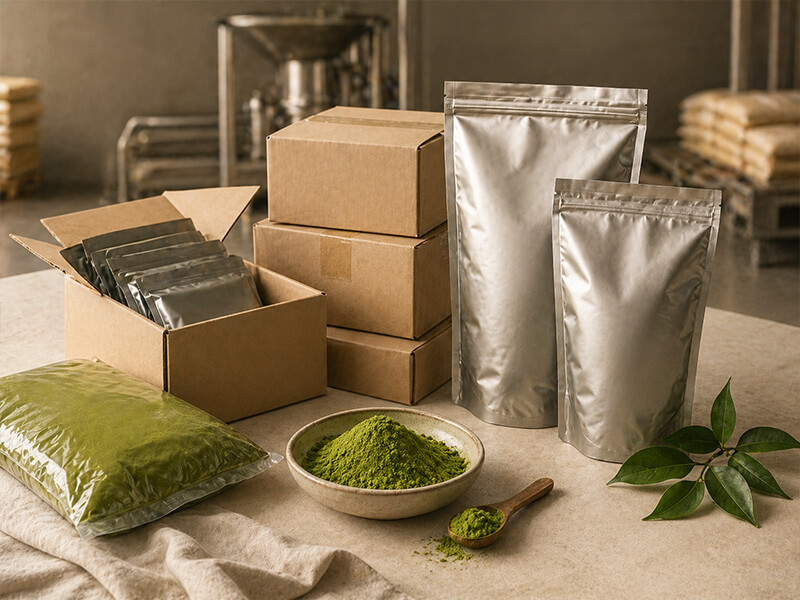
For bakery, dessert, confectionery, and other certified-organic food projects.
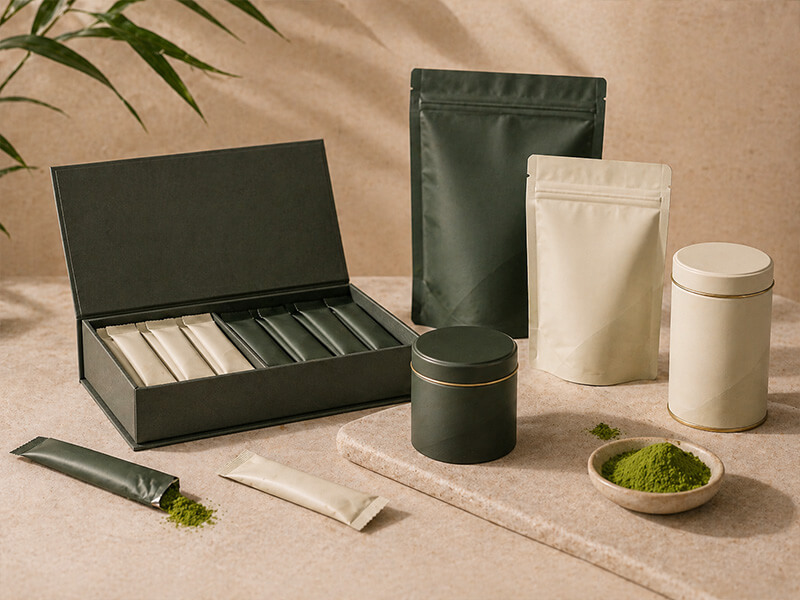
For branded organic products requiring coordinated certification, product, packaging, and documentation review.
A reliable organic sourcing decision requires both certification approval and commercial product approval.
| Review Area | Certification Question | Product Question |
|---|---|---|
| Identity | Is the exact product covered? | Is it the right matcha for the application? |
| Market | Is the certification route suitable for the claim? | Does the sensory and cost position fit the market? |
| Production | Are relevant activities within scope? | Can the product be supplied consistently? |
| Packaging | Is the packing route compatible with the organic claim? | Does the format protect quality and fit distribution? |
| Shipment | Are required certificates and transaction records available? | Are lead time, MOQ, freight, and replenishment workable? |
Do not rely on a logo alone. Request the documents that apply to the selected product and transaction route.
Review the certificate holder, standard, certified activities, scope, and validity period.
Confirm that the quoted matcha and supply route are covered before artwork or claims are approved.
Connect the shipment to the relevant batch, source, processing, and packing information.
Confirm whether a transaction certificate or other shipment-level organic record is required.
Ask the supplier and your importing or certification team to confirm which records apply to the actual product, operator, packing route, and destination.
| Decision | Information to Record | How It Helps Approval |
|---|---|---|
| Current certificate | Certificate holder, certifier, standard, validity, approved activities | Check the file for the relevant operator and current supply route. |
| Quoted product | Exact product reference, scope listing, bulk or retail format | Connect the powder and packing activity to the scope being reviewed. |
| Order traceability | Production lot, packing record, shipment reference, required transaction records | Agree the shipment document set before dispatch. |
| Retail artwork | Product composition, claim wording, intended logo, market and operator responsibilities | Confirm artwork approval for the final product, rather than relying on an ingredient logo. |
These orders can involve different product and handling scopes. Describe the final format and destination in the brief so the applicable records and responsibilities can be reviewed before the commercial order is approved.
Identify the named powder, supplier, packing unit, and intended receiving or manufacturing operation. Request the current product-scope confirmation and agree how the lot and shipment records will connect to the ingredient on your order.
Identify who will pack and label the product, the proposed artwork, and the intended market. Review the relevant operator and packing scope with the teams responsible for approval before treating a bulk ingredient document as retail-pack evidence.
Provide the complete proposed ingredient list and the intended claim. Confirm the evidence required for the blend and its handling route; approval of one organic ingredient does not, by itself, settle the status of the finished formula.
Use these role-based criteria to prepare a focused sample and document review. This section is an evaluation checklist, not a customer testimonial.
Verifies the certificate holder, product scope, transaction route, and shipment documentation before approving a supplier.
Reviews both certification evidence and the sensory grade because an organic claim alone does not guarantee product-market fit.
Checks whether the ingredient, production route, handling, and final product certification can work together.
Answers are product-specific. Final specifications, certificates, testing, MOQ, and commercial terms are confirmed for the selected project.
Selected products and supply routes may support standards such as USDA Organic, EU Organic, or JAS. Current availability and scope must be confirmed for the exact project.
No. Certification coverage varies by product, operator, processing route, packaging, and market.
Yes. Applicable current documents can be reviewed during supplier qualification, sampling, or quotation, subject to the selected project.
A transaction certificate may be arranged for qualified organic shipments when required by the applicable certification route and commercial agreement.
Selected organic products may be available for private label projects, but packaging, artwork, claims, operator responsibilities, and certification scope must be reviewed before production.
Food-safety and organic documents answer different questions. Review the applicable organic certificate and product scope as well as the food-safety records. Confirm the destination and intended claim with the relevant importing or certification team before using artwork or logos.
Do not assume it covers a new blend or packing route. Confirm all ingredients, relevant operators and activities, intended claim, destination, and supporting document requirements for the finished product. Product scope and responsibilities should be settled before packaging is printed.
Share the destination market, intended claim, application, packaging format, estimated quantity, and required certification documents.