
Color & Appearance
A bright, clean green appearance suited to premium preparation and retail presentation.
Compare ceremonial matcha by aroma, umami, color, bitterness, mouthfeel, and finish for premium tea service, specialty retail, gifting, and private label projects.
Use a named sample to select the aroma, texture, and finish your customers will experience. Confirm its composition, origin information, and specification separately from the ceremonial grade description, then approve it in your actual tea-service or retail preparation.
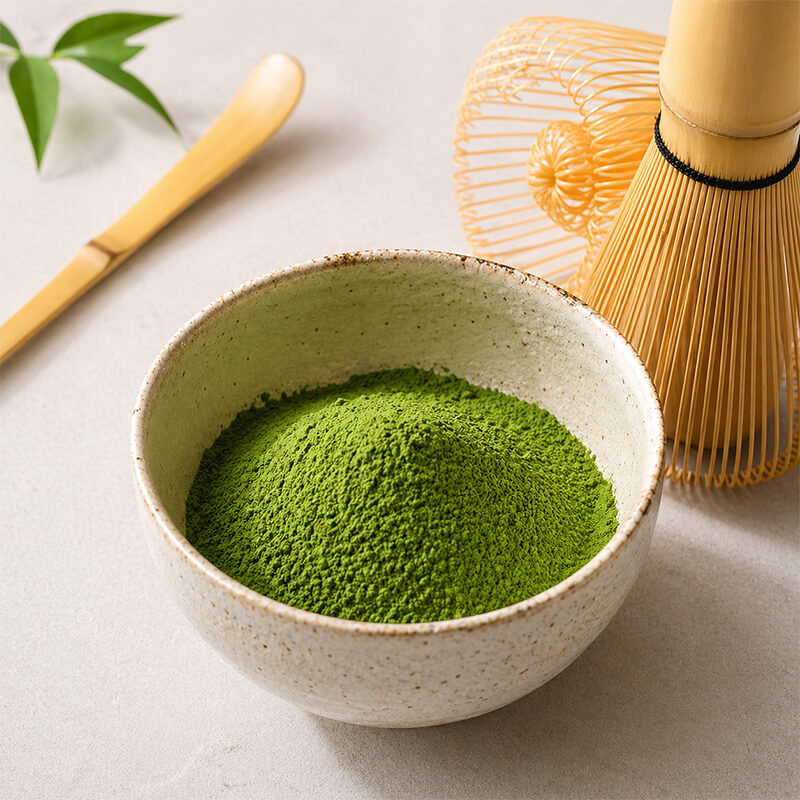
Ceremonial matcha should be assessed as a complete sensory profile rather than by a grade name alone. These are the main points premium buyers compare during sampling.
A bright, clean green appearance suited to premium preparation and retail presentation.
Fresh tea aroma without stale, smoky, or overly grassy notes.
A rounded savory character with natural sweetness and restrained harshness.
Enough structure to remain distinctive, without dominating the finish.
Fine texture and a smooth drinking impression after whisking.
A clean, lingering tea finish appropriate for premium positioning.
This product direction is designed for buyers whose customer experience depends on tea quality, presentation, and premium positioning.
For whisked matcha served as the central product experience rather than hidden inside a complex recipe.
For loose powder, tins, and premium retail lines where color, aroma, and preparation guidance matter.
For presentation-led products with a higher perceived value and limited-edition positioning.
For brands that require coordinated product selection, documentation, packaging, and repeat supply.
Use the same water temperature, dosage, whisking method, and serving ware for every sample. A controlled comparison makes subtle differences easier to identify.
| Evaluation Point | What to Observe | Commercial Decision |
|---|---|---|
| Dry powder | Color uniformity, freshness of aroma, visible clumping | Retail presentation and storage condition |
| Whisked appearance | Foam, surface texture, color after preparation | Tea-service presentation |
| First taste | Umami, sweetness, initial bitterness | Immediate customer impression |
| Finish | Astringency, lingering flavor, cleanliness | Premium drinking quality |
| Repeat preparation | Consistency across several cups | Service and staff repeatability |
Use these role-based criteria to prepare a focused sample and document review. This section is an evaluation checklist, not a customer testimonial.
Needs a clear difference between samples in aroma, umami, finish, and price position.
Reviews powder appearance, preparation instructions, packaging protection, and repeat-batch consistency.
Balances premium sensory quality with documentation, lead time, and a realistic wholesale margin.
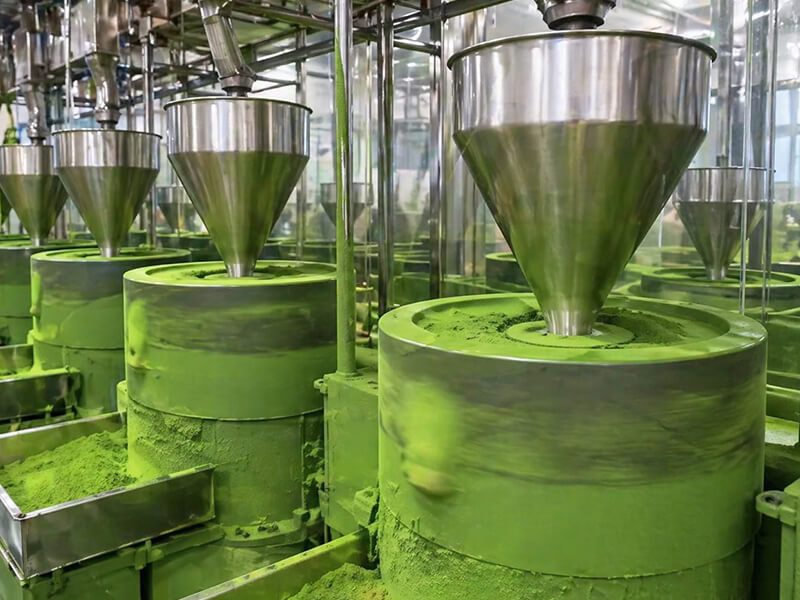
The final sensory result is influenced by the full supply route. Buyers should review how sourcing, processing, milling, storage, and batch approval work together.
Match the raw material profile to the intended premium market and price position.
Review how cultivation and harvest choices influence color, aroma, and umami.
Confirm the processing route and powder profile required for a refined drinking experience.
Approve samples, specifications, and available batch documents before commercial supply.
Document availability depends on the selected product and destination market. Request the current files connected to the sample or production batch.
Target appearance, sensory direction, physical parameters, packaging, and shelf-life information.
Available batch-level quality results for buyer review and internal approval.
Applicable pesticide residue, heavy metal, and microbiological information according to project needs.
Relevant source, batch, production, and shipment records for commercial review.
Give each sample a reference and keep the preparation record. This provides a clearer basis for comparing quotations and discussing later batches.
| Decision | Information to Record | How It Helps Approval |
|---|---|---|
| Sample identity | Grade reference, sample date, lot reference when available | Connect the tasting decision to the product being quoted. |
| Preparation record | Powder and water quantities, temperature, equipment, tasting order | Separate a product difference from a preparation difference. |
| Retail handling | Pack size, seal, storage instructions, expected turnover | Choose a pack that fits opening frequency and protects the approved profile. |
| Repeat-order approval | Retained sample, agreed sensory criteria, current batch documents | Use a shared reference when reviewing a replacement or repeat batch. |
Both routes need an approved sensory reference, but the preparation conditions differ. Tell the supplier how the customer will use the powder so the sample comparison answers the right buying question.
Record the water, powder dose, equipment, serving size, and preparation sequence used by staff. Compare several preparations of the same sample before deciding whether the preferred texture and finish can be repeated in service.
Test the method you intend to print on the pack, including the equipment a customer is expected to use. Keep the sample reference with the proposed instructions, pack size, and storage information.
If milk, sweetener, or a food recipe becomes central to the product, compare the relevant latte or culinary direction as well. Judge the finished serving at its approved dose rather than assuming a premium grade is automatically the right commercial choice.
Food-safety and market-specific documents are confirmed for the selected ceremonial matcha, production scope, destination market, and commercial claim.
Certificates apply only to confirmed products, operators, production scopes, markets, and transactions. Ask for current copies before using a claim or approving artwork.
Review Certification Details



Answers are product-specific. Final specifications, certificates, testing, MOQ, and commercial terms are confirmed for the selected project.
Compare samples under the same preparation conditions and review color, aroma, umami, bitterness, mouthfeel, finish, documentation, and target price together.
It can be used in milk drinks, but a latte-focused grade may offer a better balance of milk compatibility and commercial cost. We recommend testing both directions in the actual recipe.
Yes. Share your market position and sensory target so we can prepare a focused shortlist instead of unrelated samples.
Yes. Bulk supply and selected private label packaging routes can be discussed after the product direction, quantity, and destination market are confirmed.
Depending on the product and project, available files may include specifications, batch COA, testing records, traceability information, and applicable certification copies.
No. Use the supplier grade reference, approved sample, preparation record, and agreed specification together. If harvest, origin, cultivar, or milling details matter to your positioning, request confirmation for the named product rather than assuming them from the grade description.
State whether the powder is for water-only tea service or retail, the preferred aroma and finish, sample references, order quantity, packaging, destination, and required documents. Include preparation conditions so a new sample can be compared with your benchmark.
Tell us whether the product is for tea service, specialty retail, gifting, or private label. We will shortlist suitable options for controlled evaluation.