
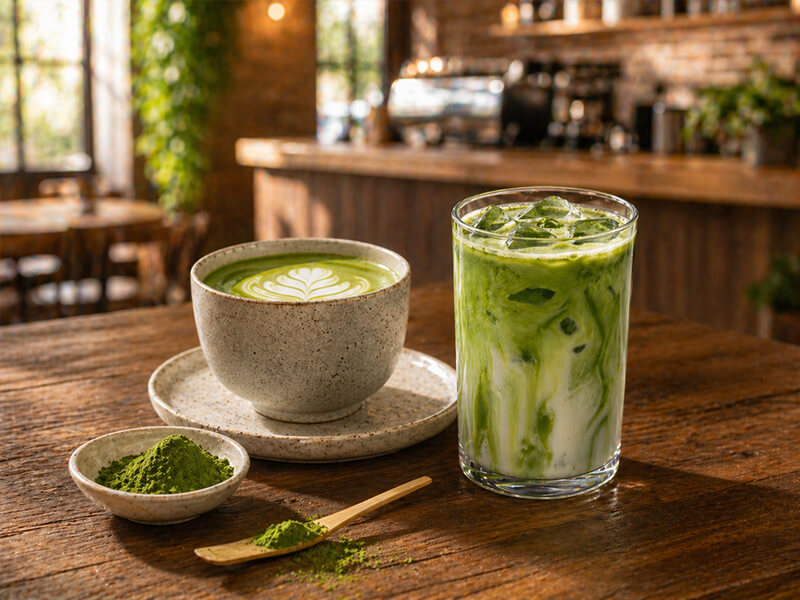
Cafés & Beverages
Evaluate milk compatibility, color, tea intensity, dosage, dispersion, and cost per serving.
Buy bulk matcha against an approved recipe trial, product specification and packing plan rather than a grade name alone.
Selected bulk products start from 10 kg per grade, subject to availability, testing and packing requirements. Define first-order quantity and reorder demand separately so the quote reflects the supply you need.
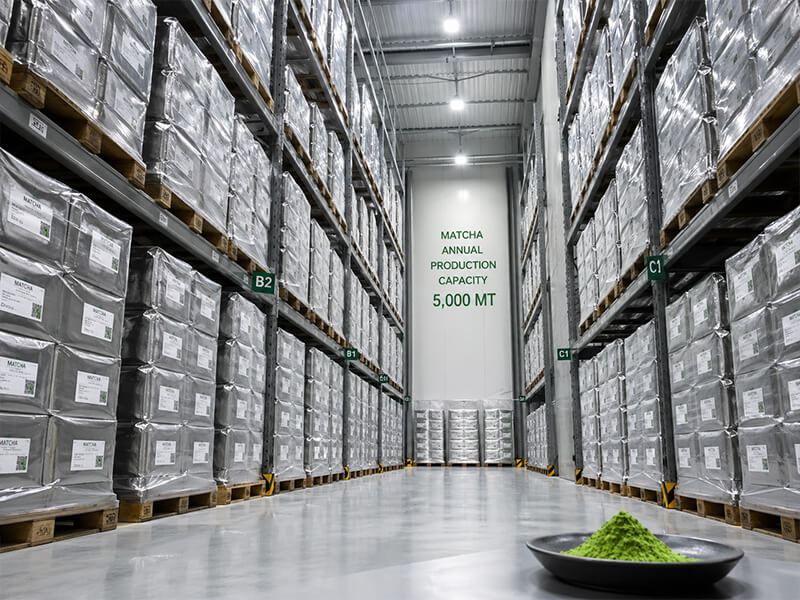
The same matcha may perform differently in milk, bakery, dry mixes, supplements, or repacked retail products.
Evaluate milk compatibility, color, tea intensity, dosage, dispersion, and cost per serving.
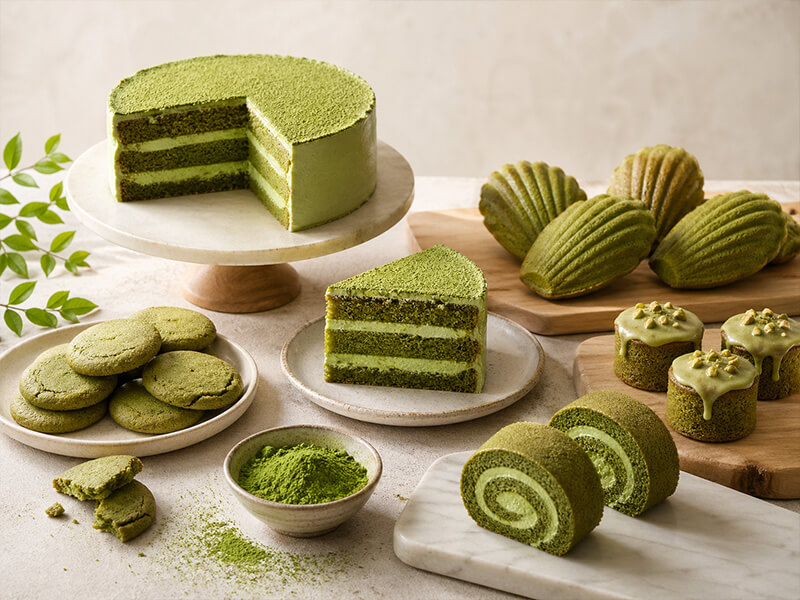
Review processed color, flavor intensity, heat exposure, fat, sugar, pH, and storage.
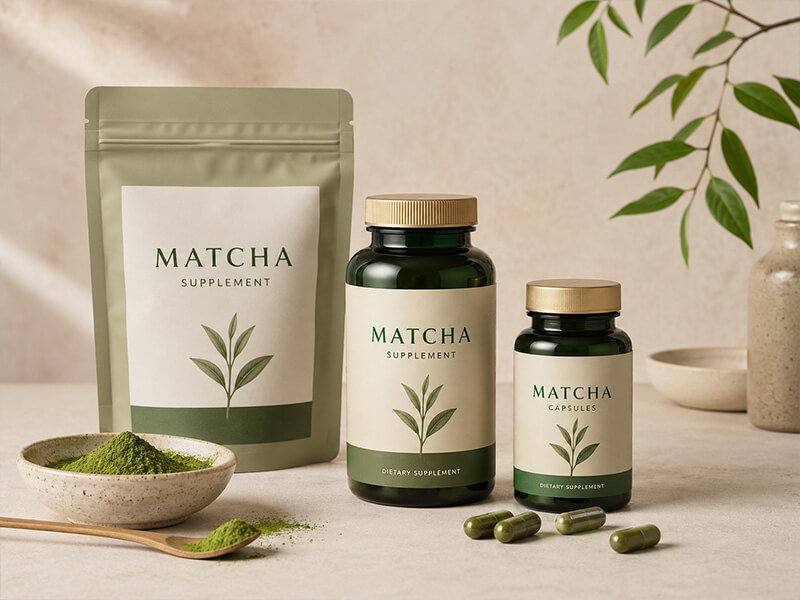
Confirm specification, taste, color, flow, dosage form, testing, and manufacturing fit.
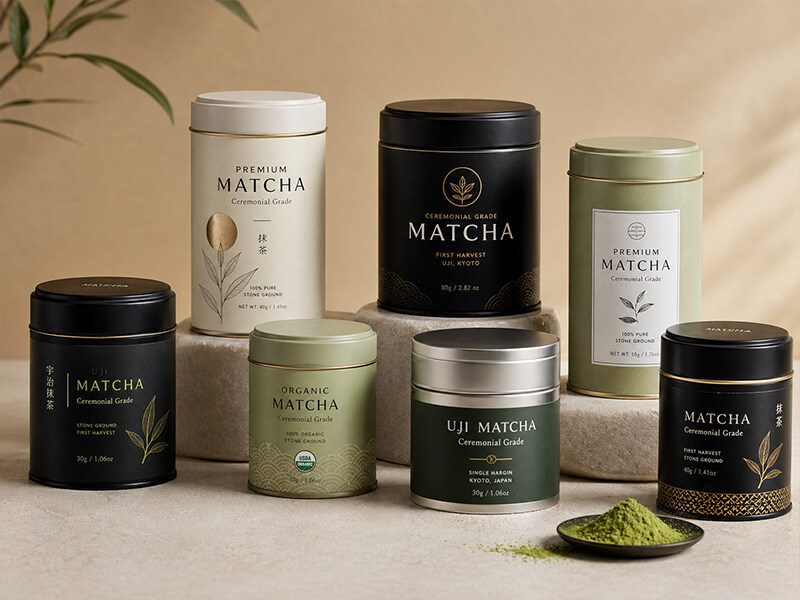
Select product position, pack size, barrier requirements, labeling, inventory, and repeat supply.
Product names are a starting direction. Final approval should be based on samples, specifications, and target economics.
| Commercial Use | Primary Selection Focus | Typical Product Direction | Buyer Approval |
|---|---|---|---|
| Premium tea service | Aroma, umami, finish, color | Ceremonial matcha | Sensory trial and retail position |
| Milk-based beverages | Milk compatibility, dosage, color, cost | Latte grade matcha | Drink recipe trial |
| Bakery and desserts | Processed color and flavor intensity | Culinary matcha | Finished-food trial |
| Blends and manufacturing | Specification, testing, scale, price | Ingredient grade matcha | Technical and commercial review |
Standard bulk packing is designed for efficient handling, product protection, export shipment, and repeat production.
Commonly 5 kg sealed aluminum foil bags.
Four inner bags per 20 kg carton.
Keep sealed in a cool, dry place away from heat, moisture, and light.
Alternative bulk formats can be reviewed according to volume and handling needs.
Test the product in the intended application and confirm documents before moving into repeat supply.
Application, market, estimated quantity, target sensory profile, and cost position.
Compare only the products that fit the intended use and price position.
Evaluate finished-product performance together with specifications and COA.
Approve quantity, packing, lead time, freight route, and replenishment assumptions.
The exact file set depends on the confirmed product and destination market.
Appearance, physical parameters, storage, shelf life, and packing.
Batch-related values for the confirmed product.
Market- or project-specific residue review where required.
Safety parameters according to project needs.
Batch, origin, and supply-chain records where applicable.
Current certificates reviewed by product and production scope.
Representative workflows—not customer testimonials—show how bulk buyers commonly approve supply.
Approve a latte grade by milk performance, cost per cup, and stable repeat supply.
Test processed color and flavor before confirming a multi-carton production order.
Match grade position, bulk packing, documents, and regional inventory planning.
Use the same product brief for sampling, quotation and receiving inspection. A sample selected for a latte is not automatically approved for baking or a dry blend.
| Decision | What to Define | Approval or Quote Check |
|---|---|---|
| Application trial | Recipe, dosage and preparation method | Record the accepted taste, finished color and texture using the intended process. |
| Product and batch | Grade or product code and agreed specification | Match the shipment lot to its COA and confirm which requested tests cover that lot. |
| Quantity and packing | Net kg per grade and weight per sealed inner pack | The powder MOQ and pack size are different; confirm both on the quotation. |
| Receipt and reorders | Required remaining shelf life and inspection basis | Agree seal, label, lot and carton checks and retain the approved sample reference. |
Commercial terms are confirmed for the selected product, order volume, and destination.
Review both. Net order kilograms determine the powder purchase, while the sealed inner-pack size should fit receiving, storage and normal consumption. Compare how much powder will be opened at once and confirm the selected product storage instructions before choosing larger working packs.
Keep its product code, sample reference, test recipe and agreed acceptance notes. Confirm whether the sample represents an available shipment lot or a product specification; request batch documents for the actual supplied lot.
Compare net powder quantity and specification first, then add packing, filling, print setup and freight. A per-pack price can include work and components that are absent from a bulk per-kg price.
The standard starting MOQ is 10 kg per selected product or grade. Availability, testing, certification, and packing requirements may affect the final minimum.
A common route is 5 kg per sealed inner bag with four bags packed in one 20 kg export carton. Alternative formats can be reviewed for larger programs.
Yes. Samples can be selected around the application, target market, expected quantity, sensory direction, and target cost.
A product specification and batch COA can be provided for confirmed products. Additional testing and certificate copies are reviewed by project.
Yes. Bulk powder can support repacking, foodservice, or private label routes. Printed packaging and OEM production have separate minimums and lead times.
Share the final product, market, estimated quantity, target cost, and required documents. We will prepare a focused product and quotation route.