
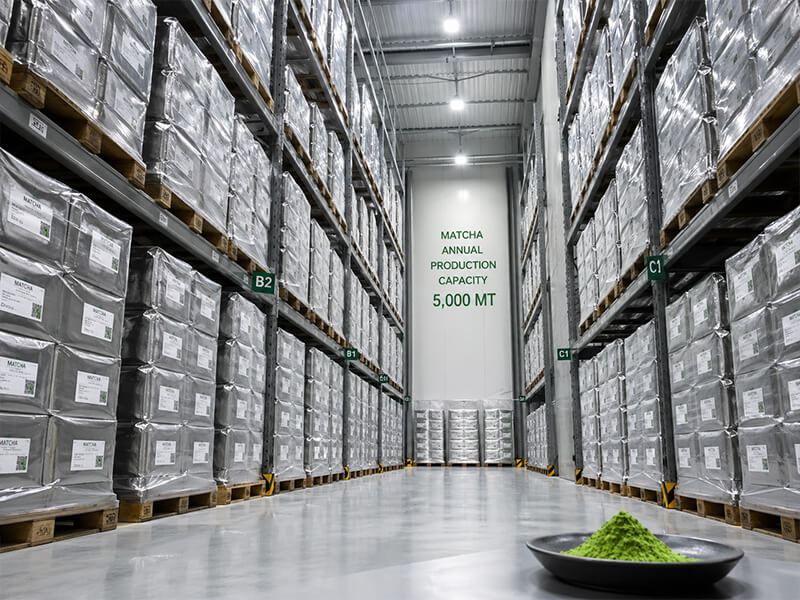
Bulk Foil Bags
Efficient multi-kilo supply for repacking, manufacturing, foodservice, and ingredient distribution.
Build a wholesale range with a clear purpose for each grade, an approved sample and a practical reorder plan.
Set product codes, case quantities, labels and destination requirements by SKU. Selected bulk powders can start from 10 kg per grade; retail packing and printed materials require separate minimums.
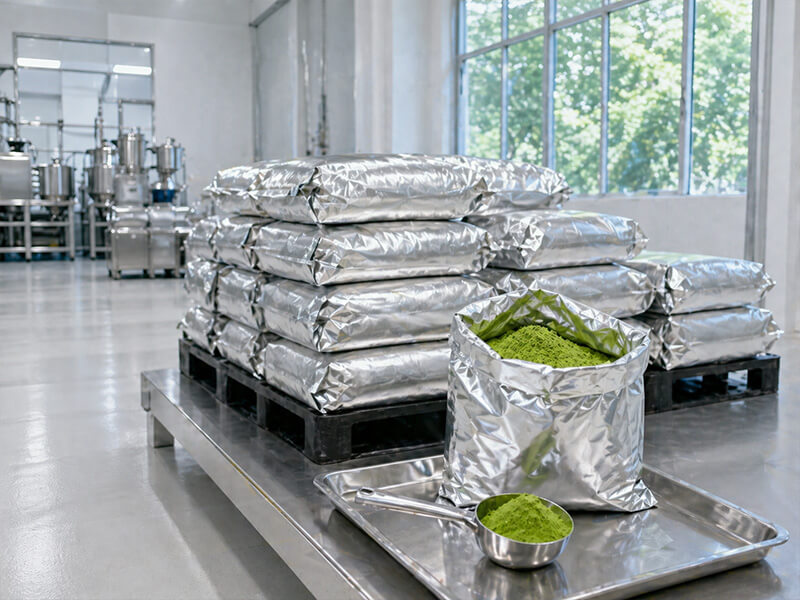
Different wholesale buyers need different product ranges, pack formats, margins, and replenishment plans.
Build a regional product portfolio with documentation, inventory planning, and repeat-order support.
Distributor Solutions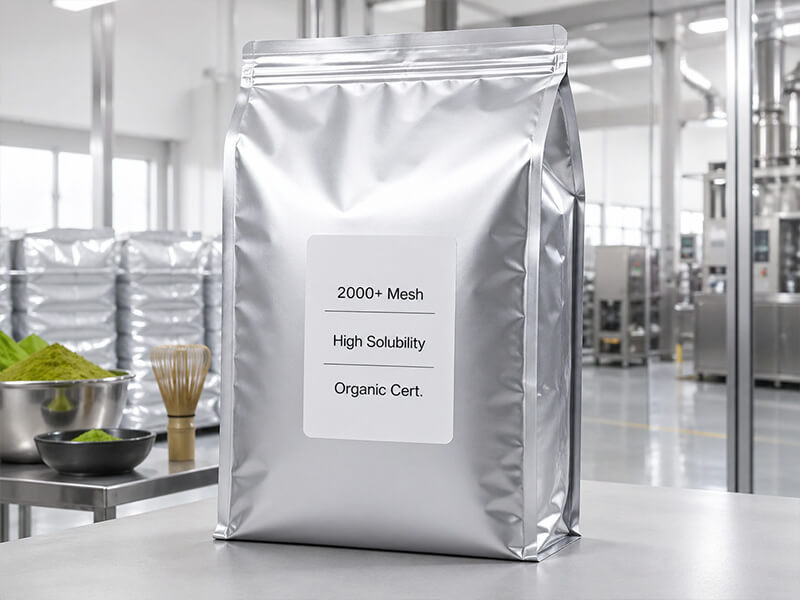
Supply products selected for drinks, kitchen use, multi-location consistency, and cost per serving.
Café Solutions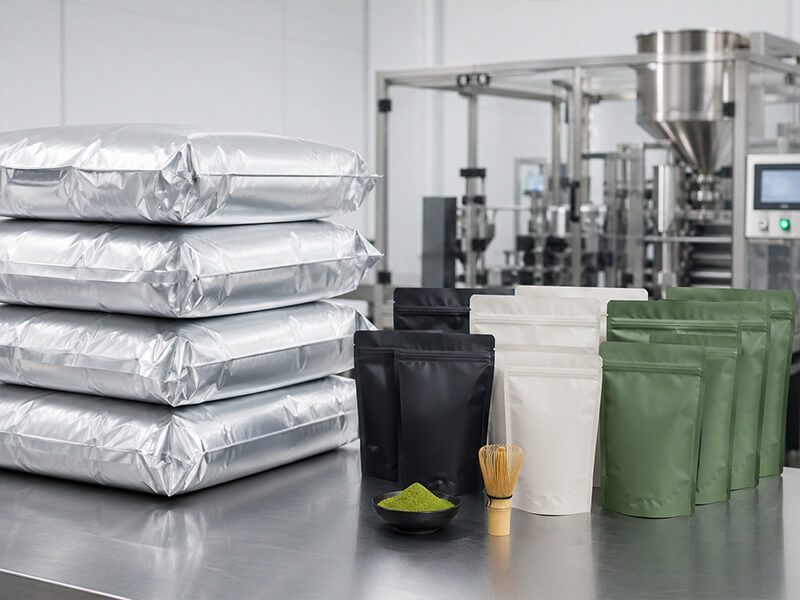
Coordinate product position, retail packaging, artwork, MOQ, and launch planning.
Private Label Solutions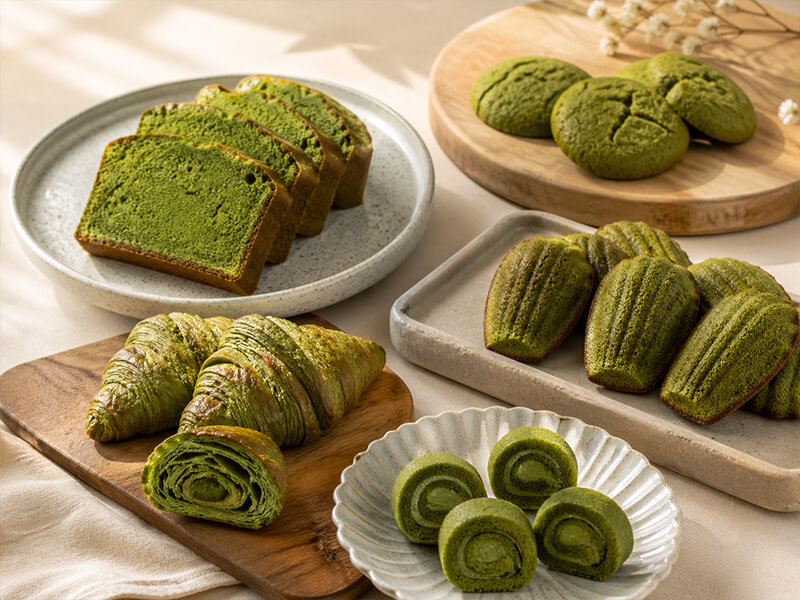
Source bulk matcha powder with specifications, COA, bulk packing, and production planning.
Bulk SupplyAvoid a range where every SKU competes for the same customer. Give each product a distinct application and price position.
| Portfolio Role | Typical Product | Primary Buyer | Commercial Purpose |
|---|---|---|---|
| Premium tea | Ceremonial matcha | Specialty tea and premium retail | High sensory and retail position |
| Café beverage | Latte grade matcha | Cafés, chains, foodservice | Milk performance and cost per serving |
| Food production | Culinary matcha | Bakery, dessert, food manufacturers | Practical processed color and flavor |
| Ingredient supply | Ingredient grade matcha | Blenders, supplements, manufacturers | Specification-led scalable supply |
| Certified & specialty | Organic, flavored matcha, hojicha | Natural retail and differentiated menus | Portfolio expansion and market segmentation |
The best format depends on the buyer channel, handling, branding, margin, freight, and reorder model.
Efficient multi-kilo supply for repacking, manufacturing, foodservice, and ingredient distribution.
Practical formats for cafés, hospitality groups, kitchens, and commercial beverage programs.
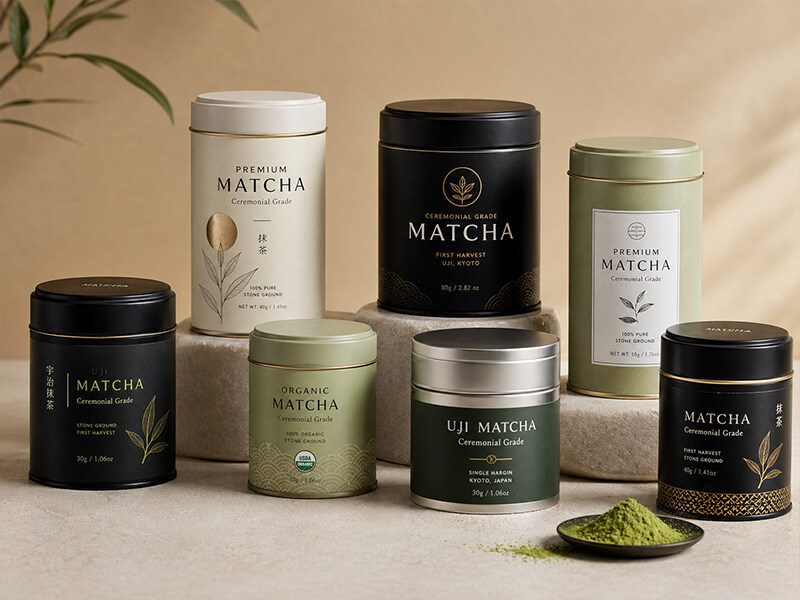
Tins, pouches, jars, and selected consumer formats for branded or private label ranges.
A wholesale program should connect product roles, documents, pricing, inventory, and replenishment.
Clarify buyer segments, price positions, applications, channels, and required certifications.
Compare samples by role instead of selecting several products with the same purpose.
Confirm MOQ, packaging, pricing, documents, freight, and order mix.
Set inventory thresholds, lead-time assumptions, and the next reorder cycle.
Distributor and importer teams usually review both product evidence and repeat-supply capability.
Clear role, storage, shelf life, packing, and quality parameters.
Batch values for product approval and receiving records.
Residue, heavy metal, microbiological, and market-specific support.
Current documents verified by product and scope.
Net weight, inner pack, carton configuration, dimensions, and handling.
Production assumptions, shipment timing, and replenishment coordination.
These are transparent planning examples, not customer testimonials.
Premium, café, culinary, and organic roles organized around different customer segments.
Bulk and foodservice packs planned around monthly usage and multi-location delivery.
Product positioning, tins or pouches, artwork, launch quantity, and reorder timing aligned.
A drinking grade, a café grade and a culinary grade can have different customers, pack formats and replenishment needs. Keep their approvals distinct.
| Decision | What to Define | Approval or Quote Check |
|---|---|---|
| Portfolio role | Customer use and target selling format | Test each powder for its intended use; avoid adding several grades with no clear difference. |
| Order mix | Net kg and case quantity for each SKU | Confirm minimums per item rather than assuming the combined shipment meets every MOQ. |
| Resale information | Product code, label, storage and lot tracking | Agree the information needed by downstream buyers and match batch documents to each line. |
| Replenishment | Demand by SKU and delivery destination | Review available packing, quote validity and reorder timing before committing to launch stock. |
Wholesale terms depend on product mix, packaging, destination, and repeat-volume plan.
Keep the supplied product code and lot on the purchase and stock record, even if the item has a different retail or distributor name. Link that selling name to its composition, approved specification, pack configuration and documents so a reorder does not rely on a marketing name alone.
Test the replacement in the same preparation or customer application as the current SKU. Approve any change in sensory profile, specification, label or packing in writing before treating it as an interchangeable reorder.
We support distributors, importers, foodservice suppliers, retailers, brands, repackers, and manufacturers purchasing for commercial use.
A mixed order can be reviewed when each item meets its applicable availability, quantity and packing requirements. List each grade separately with its net weight, pack count and document scope so batch tracking stays clear.
Yes. Bulk, foodservice, and selected retail or private label formats can be discussed. Printed packaging has separate minimums and lead times.
Yes. Samples can be organized around premium tea, café beverages, food production, ingredient use, organic, flavored matcha, and hojicha.
Reorder planning should consider inventory, sales velocity, production lead time, freight, seasonality, and document validity.
Share your customer segments, target price positions, packaging formats, expected order mix, and destination. We will recommend a practical portfolio and supply route.