
Matcha Base
Choose the product direction around color, flavor, bitterness, aroma, application, and cost.
Develop a matcha blend around its ingredients, serving method, sensory target and commercial pack format.
Confirm the formula brief before sampling, then approve the recipe, specification, artwork and packing separately. Ingredient purchasing, blending, filling and printed packaging may each set a different minimum.

Customization should solve a defined product problem rather than change every variable without a commercial reason.
Choose the product direction around color, flavor, bitterness, aroma, application, and cost.
Develop vanilla, fruit, creamy, dessert, roasted, or other feasible flavor concepts.
Review sweetened, unsweetened, sugar-free, or market-specific sweetener routes.
Design for hot, iced, blended, instant, foodservice, single-serve, or retail use.
Evaluate dispersion, texture, flow, serving dose, and finished-product behavior.
Align formula complexity, packaging, MOQ, target price, and market claims.
Choose a route that matches how the customer will prepare, consume, store, and repurchase the product.
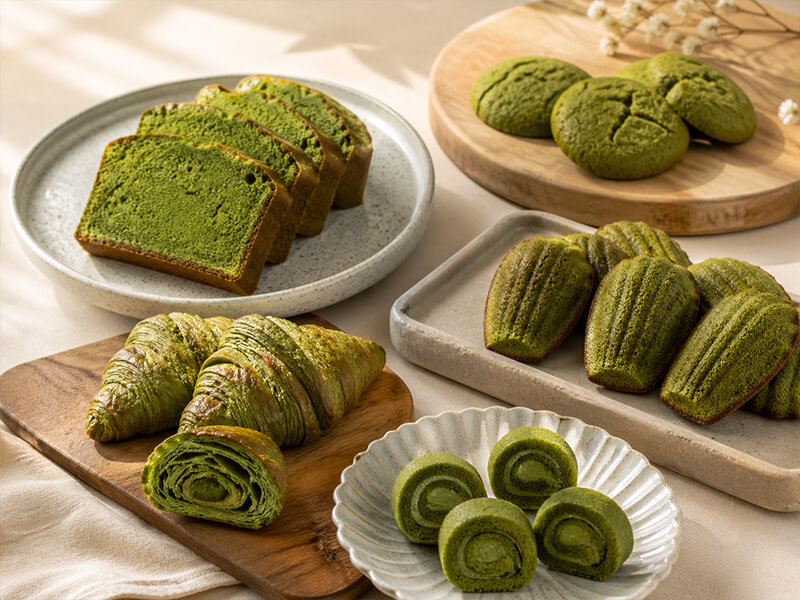
Single-ingredient or blended powder for retail, foodservice, repacking, and formulation.
Review Matcha Products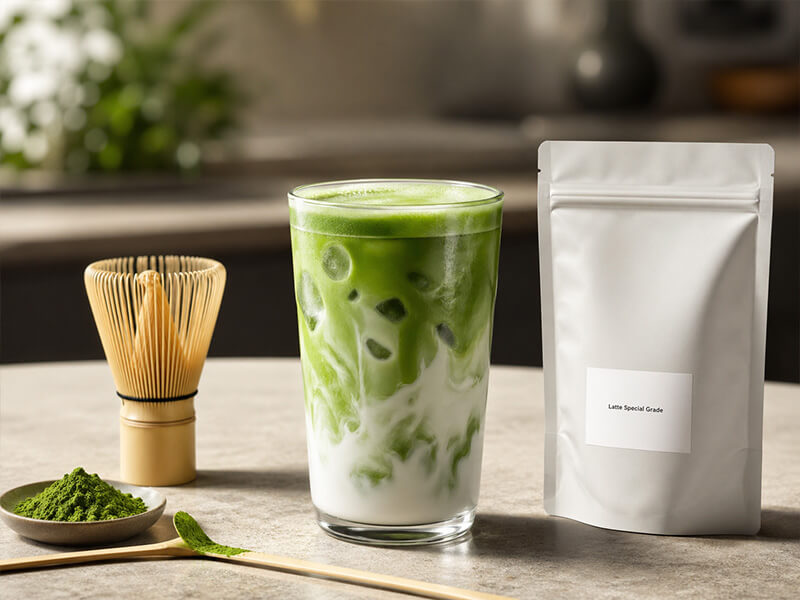
Matcha with flavor, sweetness, dairy-free positioning, and serving instructions.
Review Latte Grade
Consumer-friendly flavor routes developed around channel, market, and product position.
Explore Flavored Matcha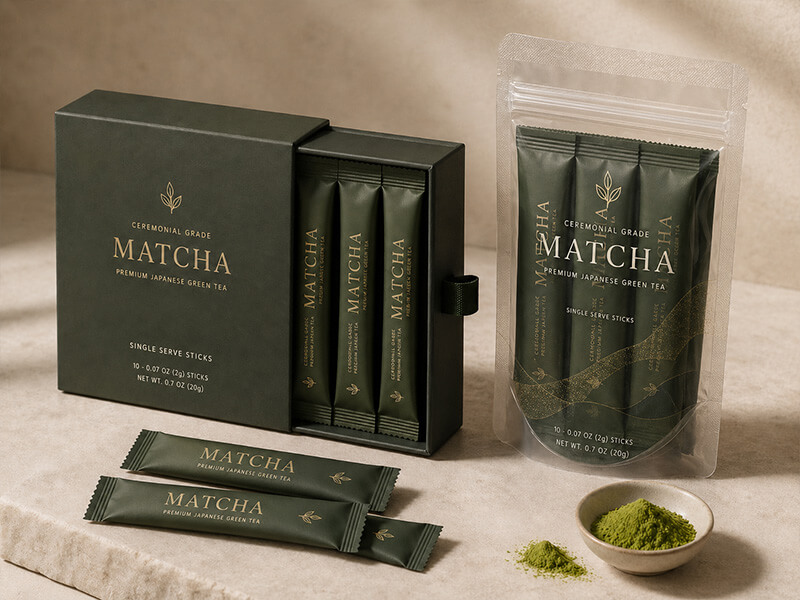
Bulk, foodservice, sachet, and stick-pack formats for convenient preparation and portion control.
Explore Packaging RoutesCustom development works best when formula, packaging, claims, cost, and market requirements are reviewed together.
Application, consumer, market, flavor, sweetness, dose, packaging, quantity, and target cost.
Select the matcha base and feasible formula route before making detailed adjustments.
Test the complete product under the actual serving or manufacturing conditions.
Confirm specification, ingredient list, nutrition basis, testing, certification scope, and claims review.
Finalize artwork, components, MOQ, lead time, packing, and commercial production.
Packaging should fit serving behavior, shelf protection, freight, artwork, MOQ, and the intended retail or foodservice channel.
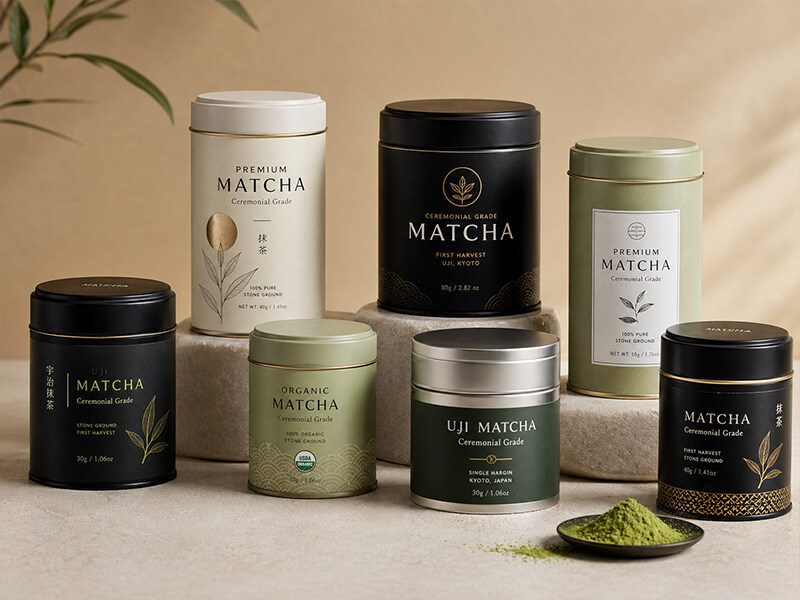
Premium retail presentation for ceremonial, gifting, specialty tea, and high-position product lines.
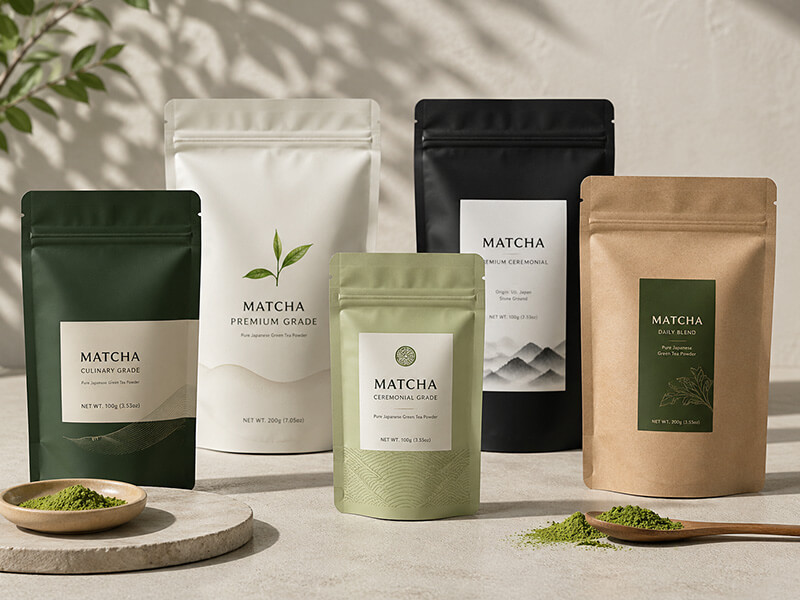
Flexible and freight-efficient packaging for retail powders, refills, larger net weights, and café supply.
Single-serve formats for instant drinks, sampling, travel, subscriptions, and convenient daily use.
A product is not production-ready until the formula and commercial presentation are aligned.
Ingredients, percentages, appearance, sensory target, serving dose, and physical parameters.
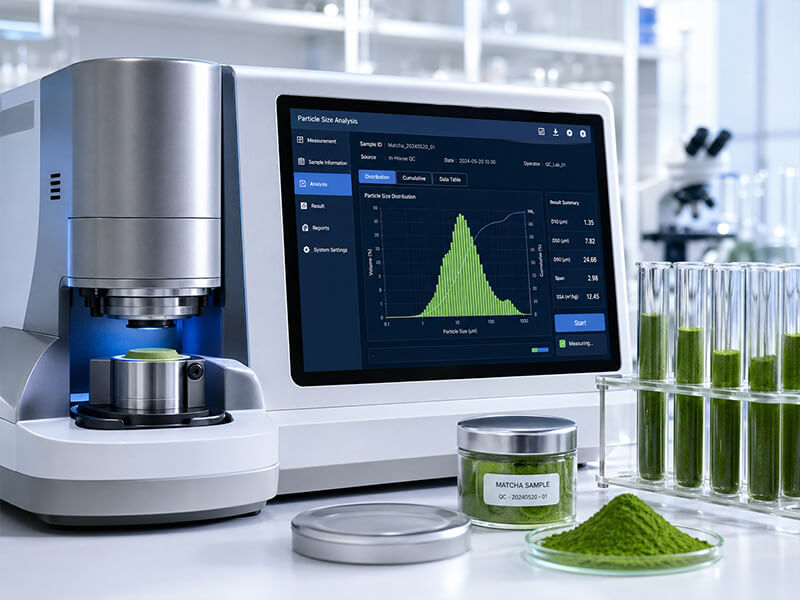
Microbiology, heavy metals, residues, stability, or other project-specific testing.
Verify whether claims apply to the full formula, production route, and transaction.
Ingredient list, nutrition basis, directions, claims, net contents, and market requirements.
Material, dimensions, print method, component MOQ, and final packing configuration.
Approved sample, specification, artwork, quantity, lead time, and release criteria.
These planning examples are not customer testimonials. Real buyer reviews should only be published with permission.
Matcha base, flavor, sweetness, serving dose, pouch size, and target cost developed together.
Ceremonial or latte product selected around market position, tin size, artwork, and launch volume.
Formula, stick size, serving instructions, outer pouch, MOQ, and production timing aligned.
A liked tasting sample is only one approval. The commercial formula and pack must also match the agreed ingredient list, serving instructions and production scope.
| Decision | What to Define | Approval or Quote Check |
|---|---|---|
| Formula brief | Ingredients, flavor, sweetness and serving method | Identify required ingredients, exclusions and the target cost before sample work. |
| Sample approval | Version number and agreed preparation | Record the approved version and sensory notes; define which revisions change scope or cost. |
| Packing approval | Fill weight, material, artwork and print route | Confirm minimums and component quantities separately from the amount of powder ordered. |
| Production release | Specification, testing and lot records | Agree the final written formula, acceptance criteria and required batch-document scope. |
Formula feasibility, MOQ, timeline, and documentation depend on the complete product brief.
Give each trial a reference and record the requested change, preparation recipe and comparison result. Distinguish a flavor or sweetness adjustment from a change to ingredients or serving weight. Identify the final accepted version explicitly rather than approving a blend only by its development name.
No. The formula version, ingredient information, allergen declarations, serving instructions and proposed claims need a separate label review for the destination market. Packing artwork should reflect the approved commercial formula.
Ask the quote to state component purchase quantities, the planned fill quantity and how any remaining materials will be stored, owned or charged. Confirm those arrangements before approving custom print production.
Private label may use an existing product with branded packaging, while custom OEM can involve formula, flavor, sweetness, format, testing, or component development.
Revision planning depends on project complexity and the agreed development scope. A clear brief helps reduce unnecessary rounds.
A reference sample can be evaluated as a sensory and technical target, but the final result depends on ingredient availability, intellectual-property boundaries, regulatory requirements, and commercial feasibility.
MOQ depends on formula ingredients, flavor minimums, packaging components, print method, production route, and serving format.
Claims must be confirmed for the complete formula, production scope, certification route, and destination market before artwork approval.
Share the target consumer, market, formula direction, serving format, packaging, estimated quantity, target cost, and launch timing.