
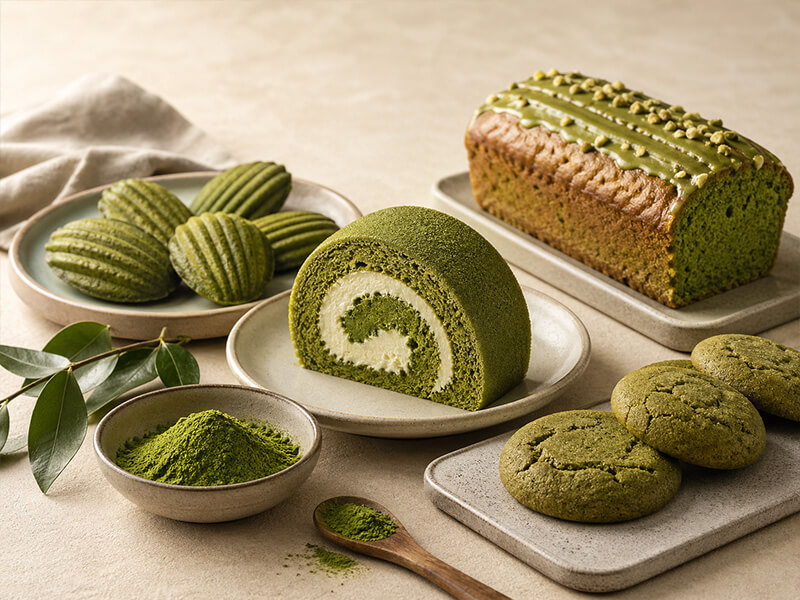
Bakery & Pastry
Review tea flavor and color after mixing, baking, cooling, packaging, and storage.
Select matcha using a trial of the complete food or beverage, including its recipe, processing conditions and intended storage.
Define dosage, taste, finished color and the specification your receiving team will check. Sample performance and batch-document review should be agreed before choosing a commercial quantity or packing route.
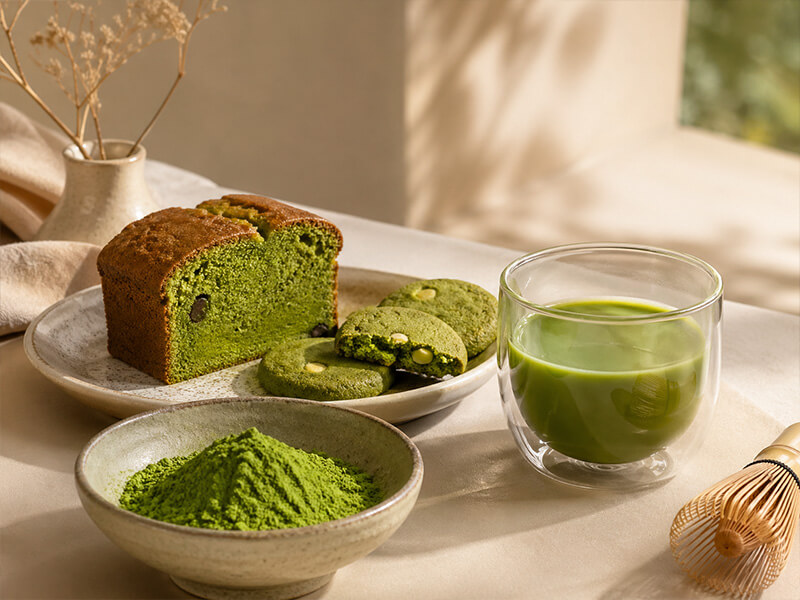
A matcha that performs well in one product system may not perform the same way in another. Compare samples in the exact recipe, process, packaging, and storage conditions.
Review tea flavor and color after mixing, baking, cooling, packaging, and storage.
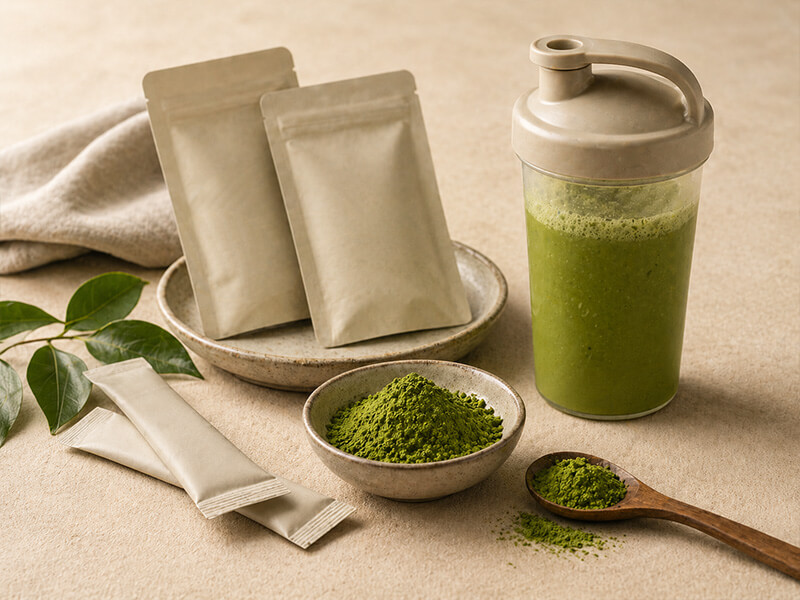
Evaluate dispersion, sweetness balance, flavor clarity, sedimentation, and preparation method.
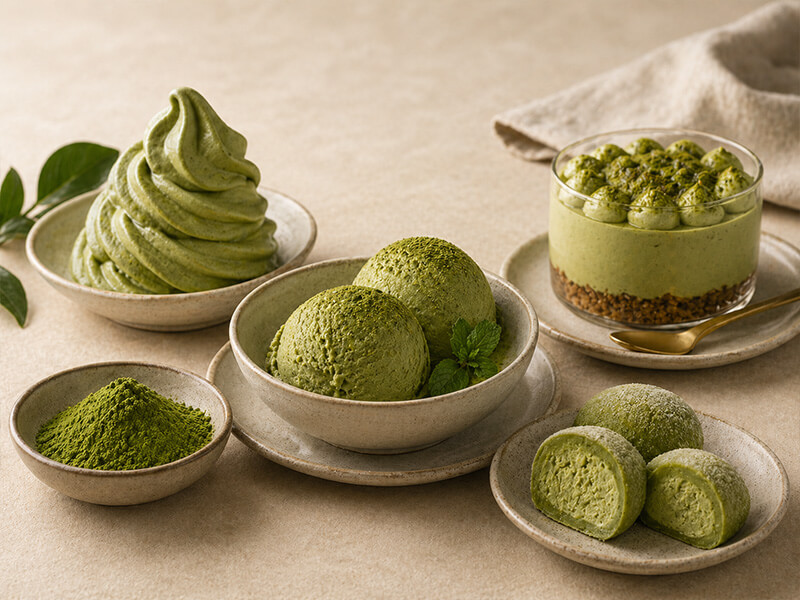
Balance matcha intensity with dairy, sugar, fat, freezing, and serving temperature.
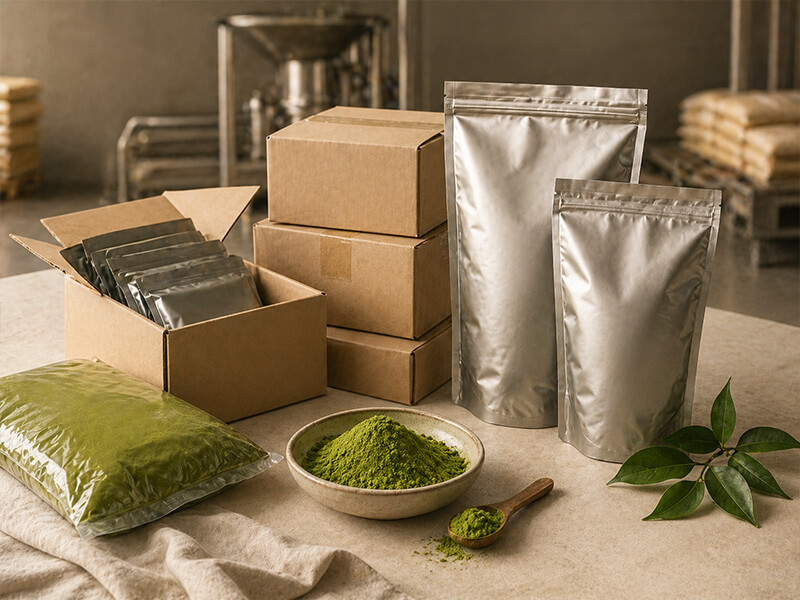
Coordinate powder specifications, dosage, blending, packaging, and repeat production.
Use the finished application and trial method to narrow the product direction before comparing grade names, dosage, or price.
| Application | Selection Priority | Trial Method |
|---|---|---|
| Bakery | Processed color and flavor after heat | Bake the complete recipe and review after cooling |
| Chocolate & Confectionery | Fat interaction, sweetness and shelf appearance | Test the final fat and sugar system |
| Ice Cream & Desserts | Flavor clarity, dairy balance and frozen color | Evaluate at serving temperature |
| Beverage Premixes | Dispersion, dosage and preparation consistency | Test the intended water or milk base |
| Food Blends | Specification fit, batch consistency and scalable cost | Pilot blending and finished-product review |
Keep ingredient ratios, process temperatures, mixing time, dosage, packaging, and storage conditions consistent so sample differences can be interpreted and repeated.

A documented approval path connects the sample result to the specification, packaging, production volume, and repeat-order plan.
Share the recipe system, process, target dosage, sensory target, market, and expected volume.
Shortlist culinary or ingredient-grade directions based on the application and cost position.
Evaluate the complete recipe after processing, packaging, and planned storage intervals.
Confirm the product, COA, bulk packaging, production volume, and shipment schedule.
Document requirements vary by product, market, formula, and customer quality system. Request current files for the exact item under review.
Certificates apply only to confirmed products, operators, production scopes, markets, and transactions. Request current copies before using claims or approving artwork.
Review Certification Details

Powder appearance does not predict every finished-product result. Use recipe and process records to make sample trials repeatable and quotes comparable.
| Decision | What to Define | Approval or Quote Check |
|---|---|---|
| Recipe and process | Ingredients, dosage and mixing or heating stages | Trial candidates in the complete recipe and record the conditions used. |
| Finished-product review | Taste, color, texture and planned storage | Agree your evaluation points; do not infer shelf-life performance from a fresh sample alone. |
| Quality release | Powder specification and requested batch tests | Match product identity and lot number to the COA; identify any additional testing separately. |
| Purchasing and handling | Net kg, inner pack and manufacturing schedule | Selected bulk powders can start from 10 kg; confirm availability and any project-specific packing minimum. |
Answers depend on the complete recipe, processing method, market, selected matcha, packaging, and commercial volume.
Record the matcha and recipe versions, inclusion level, batch size, process settings, packaging and evaluation time. Keep the same comparison conditions for color, taste and texture. If the factory trial changes a bench process, record that change before treating the result as a direct comparison.
No. Compare finished samples under the same recipe and evaluation conditions. Record the accepted taste, color and texture, then confirm the powder specification and batch documents for the order.
Provide the approved powder code and sample reference, recipe inclusion level, process instructions, storage information and agreed specification. Confirm whether the requested reports cover the shipment lot or a separate sample.
The right grade depends on the recipe, bake temperature, sugar, fat, dosage, desired color, and price position. Test samples in the complete product rather than choosing by powder color alone.
Color can change with heat, pH, oxygen, light, moisture, and storage. The degree of change depends on the powder and the complete product system.
Yes. Evaluate flavor intensity, dairy or plant-fat interaction, sweetness, frozen color, and serving temperature using the actual recipe.
Product specifications, batch COA, microbiology, heavy metals, pesticide testing, certification copies, and traceability records may be provided according to the product and project.
Standard bulk supply may use foil-lined food-grade bags and export cartons. Exact formats depend on product, order quantity, storage, and production handling requirements.
Share the finished product, recipe, process, dosage, target color, storage conditions, market, and estimated volume. We’ll recommend samples for relevant bench trials.