
Powder Masks
Review powder flow, particle feel, botanical appearance, color, blending ratio, and moisture protection.
Review matcha powder for the identity, particle profile and behavior required by your cosmetic formula before selecting a supply route.
If the brief calls for an extract, specify its composition and technical requirements separately. Food-grade powder and cosmetic suitability are not equivalent; the complete formula and documentation need review.
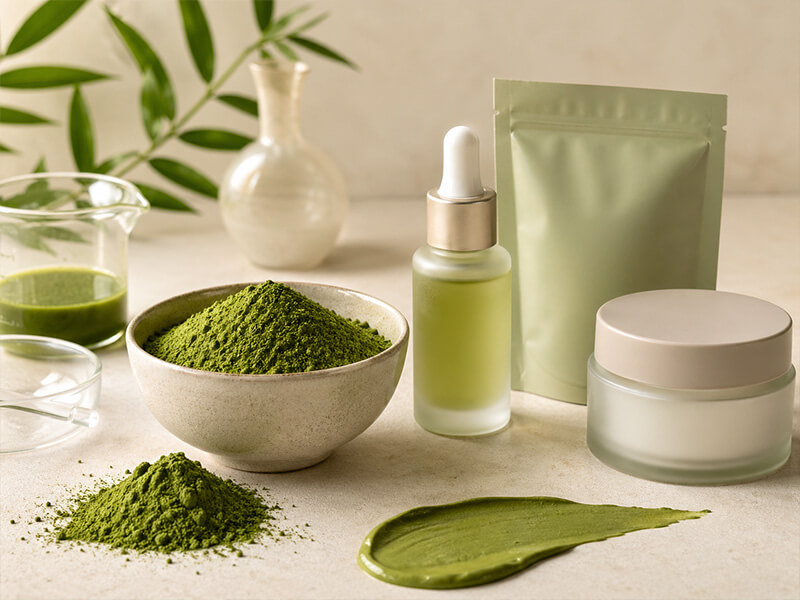
Document requirements vary by destination market, formula type, intended claims, and the selected ingredient route.
Review appearance, moisture, particle information, microbiology, packaging, and shelf life.
Confirm batch-specific quality values for the supplied ingredient.
Request applicable microbiology, heavy metal, pesticide, allergen, GMO, or other available statements.
Review origin, batch identification, production route, and supporting supplier records.
Confirm bulk packaging, moisture protection, storage conditions, and handling expectations.
Provide the destination market and intended ingredient role so the buyer can complete cosmetic compliance review.
Use complete-formula trials to confirm appearance, dispersion, odor, processing behavior, stability, and consumer experience.
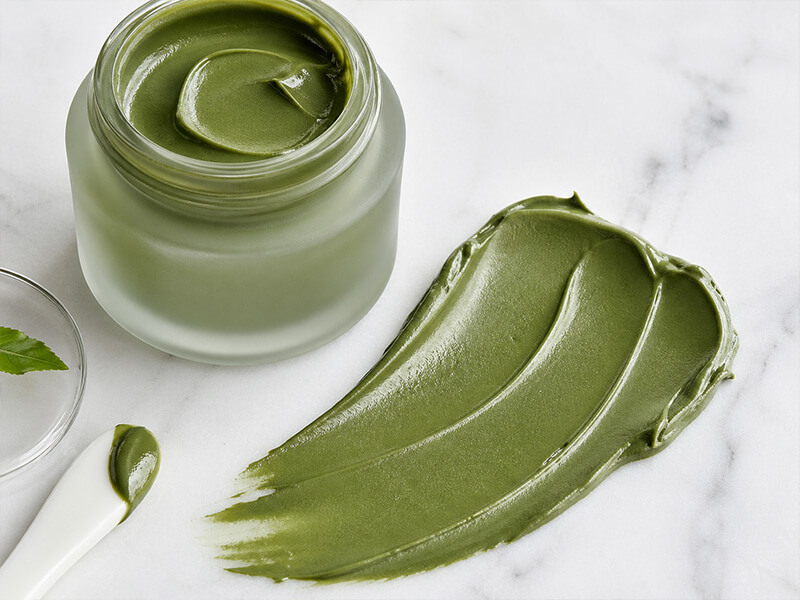
Powder and paste concepts where botanical appearance, particle feel, blending, and packaging protection matter.
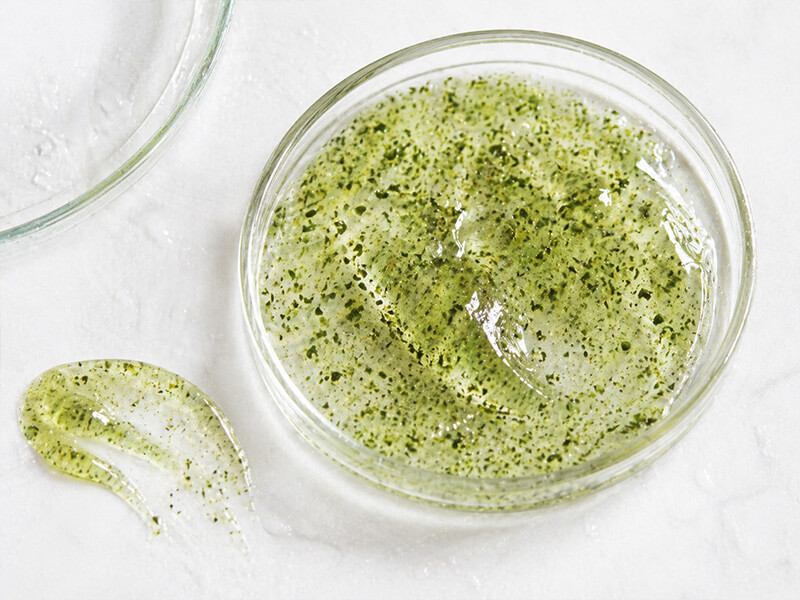
Formulations that require controlled dispersion, visible botanical identity, and acceptable rinse behavior.
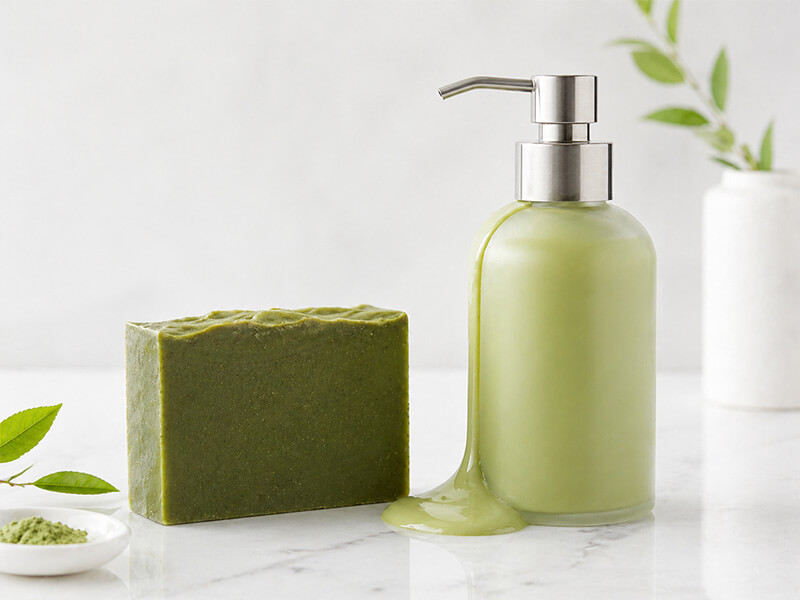
Solid formats where processing temperature, fragrance, color, and particle distribution should be tested.
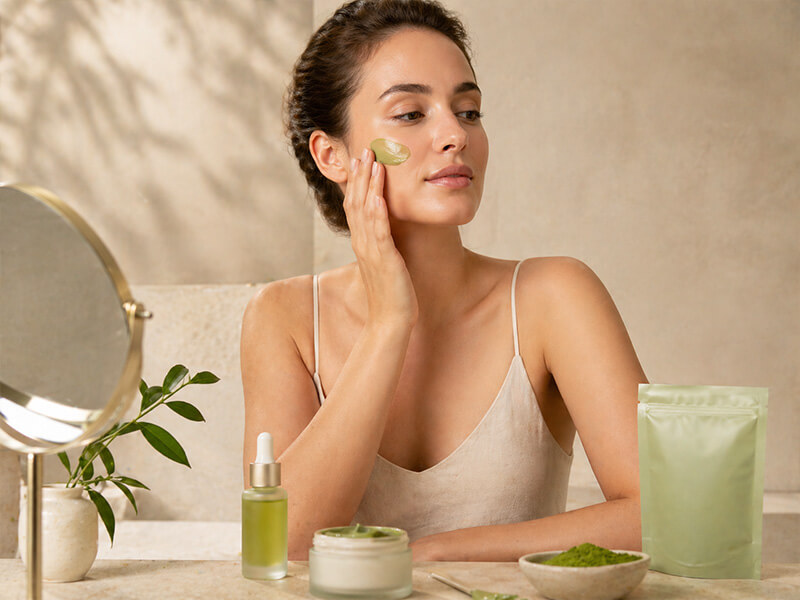
Bulk ingredients or coordinated packaging routes for branded botanical beauty collections.
These are evaluation directions, not fixed performance claims. Final compatibility must be confirmed in the buyer’s complete formula.
| Product Format | Primary Selection Focus | Buyer Trial |
|---|---|---|
| Powder mask | Particle feel, color, powder flow, moisture | Blend and application test |
| Cleanser | Dispersion, rinse behavior, formula appearance | Pilot formulation review |
| Soap or solid bar | Heat exposure, color shift, fragrance interaction | Post-process appearance test |
| Cream or serum | Suspension route, stability, odor, formula compatibility | Stability and compatibility trial |
| Body care or scrub | Particle profile, visual identity, spread, packaging | Finished-product sensory review |
A specific formula brief helps separate attractive powder imagery from actual ingredient fit, documentation needs, and commercial feasibility.
A structured process prevents product imagery, claims, packaging, and ingredient performance from being approved separately.
Describe the cosmetic format, ingredient role, target appearance, market, claims, and expected volume.
Compare powder or extract directions, available specifications, documents, packaging, and MOQ.
Test compatibility, appearance, odor, dispersion, processing, and stability in the complete formulation.
Confirm the ingredient, specification, batch documents, packing format, production plan, and repeat supply.
Food-system certifications may support supplier review but do not automatically establish cosmetic regulatory compliance or substantiate finished-product claims.
Certificates apply only to confirmed products, operators, production scopes, markets, and transactions. Request current copies before using claims or approving artwork.
Review Certification Details
The word matcha does not define an extraction process, ingredient declaration or cosmetic use. Confirm those points with the selected product and your formulation team.
| Decision | What to Define | Approval or Quote Check |
|---|---|---|
| Ingredient identity | Powder or a separately specified extract | Request composition, manufacturing information and the ingredient naming your team needs. |
| Formula trial | Use level, dispersion, texture, color and odor | Evaluate in the complete base rather than inferring suitability from powder appearance. |
| Quality requirements | Specification, microbial scope and requested reports | Agree the testing relevant to the selected ingredient and project before commercial approval. |
| Supply and claims | Pack format, quantity and destination requirements | Confirm feasibility and MOQ for the actual scope; avoid treating ingredient supply as finished-product claim approval. |
Ingredient suitability, documents, formulation compatibility, claims, MOQ, and packaging depend on the complete cosmetic project and destination market.
State whether the request is for whole-leaf powder or a defined extract, the intended ingredient role and the base being tested. Request the actual composition, any carrier information and available physical or testing specifications. An ingredient name or green color alone is not enough to select interchangeable materials.
No. A powder and an extract can differ in composition, particle profile and formulation behavior. Specify the required ingredient identity and available documents, then evaluate compatibility in the intended base.
A COA describes the tested ingredient and reported parameters. It does not approve the complete cosmetic formula, its stability or its claims. Agree what additional information or testing your team needs for the intended use.
Suitability depends on the cosmetic formula, destination market, ingredient specification, processing route, and regulatory review. The complete formulation should be assessed by the buyer’s qualified technical and compliance teams.
Available forms depend on the project and current supply range. Share the intended cosmetic format and ingredient role so the most relevant route can be reviewed.
Depending on the selected ingredient, documents may include a specification, batch COA, testing reports, traceability information, allergen or GMO statements, and other available supplier files.
Bulk ingredient supply and selected packaging or product-development routes may be available. Feasibility and MOQ depend on the formula, product format, testing, packaging, and destination market.
No blanket efficacy claim should be made from the ingredient alone. Any finished-product claim must be legally reviewed and supported by appropriate formulation evidence and testing.
Share the cosmetic format, ingredient role, formula base, target appearance, destination market, required documents, expected volume, and packaging route.