

Premium Tea
Ceremonial Matcha
For specialty tea service, premium retail, gifting, and high-end positioning.
View ProductCreate a distributor assortment with clear customer applications, product codes, case quantities and batch traceability.
Review each SKU on its own specification and sample approval, then plan order mix, resale information and replenishment. Selected bulk grades can start from 10 kg each; printed or repacked formats have separate requirements.

Separate products by application, customer type, and price position so buyers can choose without relying on vague grade names.
For specialty tea service, premium retail, gifting, and high-end positioning.
View Product
For milk-based drinks, cafés, beverage programs, and recurring foodservice use.
View Product
For bakery, desserts, confectionery, ice cream, and processed foods.
View Product
For roasted tea lattes, desserts, bakery, and differentiated café concepts.
View ProductReview the product role, target price, document package, packaging format, inventory exposure, and reorder cycle before committing to a portfolio.
| Review Area | Key Questions | Commercial Risk Reduced |
|---|---|---|
| Product Positioning | Are applications and price tiers clearly separated? | Avoids portfolio overlap and customer confusion |
| Documentation | Are current COA, specifications and certificates available? | Supports customer qualification and import review |
| MOQ & Packaging | Do formats match customer demand and inventory turnover? | Reduces slow-moving stock and repacking cost |
| Supply Stability | Can the approved product be repeated across future orders? | Protects customer consistency and replenishment |
| Logistics | Are lead time, Incoterms, cartons and export files clear? | Improves landed-cost and delivery planning |
The supply format should reflect customer type, inventory turnover, freshness requirements, local packing capabilities, and freight efficiency.
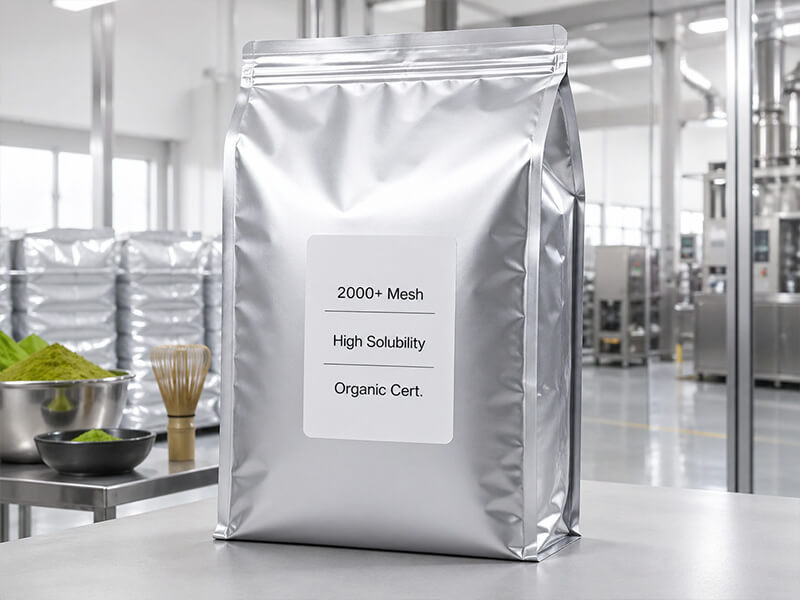
For cafés, food manufacturers, repacking, and high-volume ingredient handling.

Practical for foodservice customers, regional resellers, and smaller commercial users.

Market-ready tins, pouches, sachets, and customized branding for local sales channels.
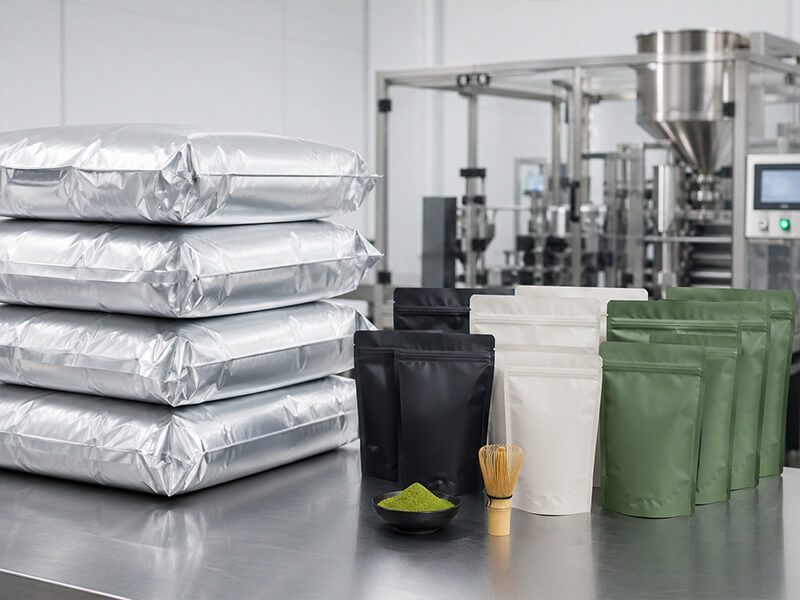
Coordinate pack size, cartons, labeling, pallet planning, and selected custom formats around the distribution model and MOQ.
Share rolling forecasts, seasonal demand, stock levels, and customer feedback. Repeat supply is more stable when the approved specifications, packaging, and reorder triggers are documented.
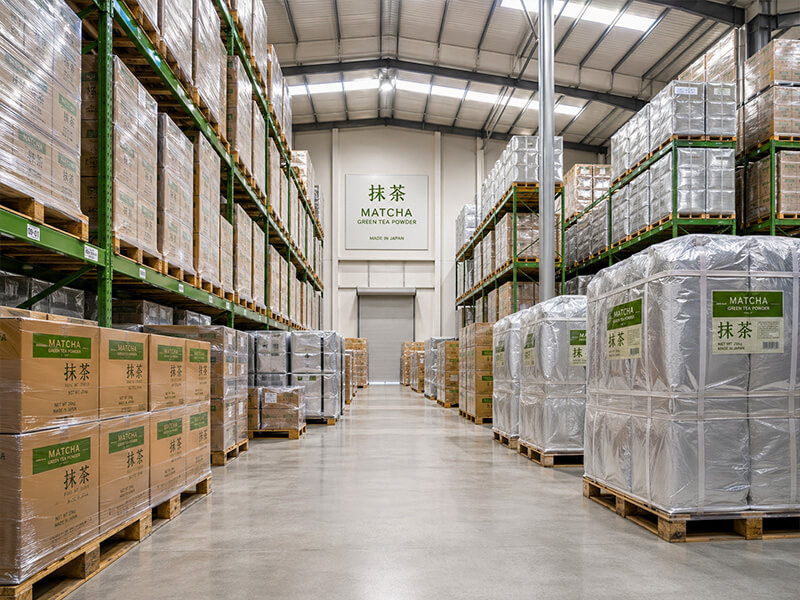
Approve product roles, documents, packaging, commercial terms, and replenishment triggers before building inventory.
Share customer segments, applications, price levels, certifications, packaging, and expected annual demand.
Select products with clear roles rather than stocking too many overlapping grades.
Review product performance, COA, specifications, certifications, labels, and commercial terms.
Coordinate shipment size, lead time, forecast, stock cover, and the next replenishment cycle.
Certification availability varies by product, operator, market, and transaction. Request current copies for the exact items included in the distribution range.
Certificates apply only to confirmed products, operators, production scopes, markets, and transactions. Request current copies before using claims or approving artwork.
Review Certification Details



Your downstream customers need more than a grade label. Define what each SKU does, what is inside each case and how a replacement or new lot will be approved.
| Decision | What to Define | Approval or Quote Check |
|---|---|---|
| Customer role | Drinking, café, culinary or industrial application | Keep each SKU linked to an approved sample and product specification. |
| Order line | Net kg, units per case and minimum per SKU | Confirm mixed-order eligibility without treating total shipment kg as every item minimum. |
| Downstream documentation | Lot code, storage, label and requested reports | Ensure case and inner-pack identity can be matched to the relevant supplied lot. |
| Delivery and reorders | Destination, freight basis and demand by SKU | Compare landed costs and discuss substitutions before changing a stocked product. |
Portfolio, MOQ, packaging, documentation, certification scope, freight, and repeat-order planning are confirmed by product and market.
Keep the received quantity, lot reference, relevant dates and quality-file version for each receipt. Link customer dispatches to the supplied lot rather than replacing earlier lot records with the newest COA. Agree the traceability information required on packs and cartons before ordering.
Agree the product specification, storage and shelf-life information, batch COA scope and any applicable certificate copies before ordering. Keep the supplied lot number with the related documents rather than sending an unrelated example COA.
Treat a different product code or specification as a new approval. Test its relevant application, review documents and packing, and agree the change before offering it as a replacement to customers.
Yes. A multi-product order may be planned around different applications and price tiers. MOQ, packing, and production requirements should be confirmed for each item.
Yes. Share the intended customer segments and applications so the sample set reflects the planned portfolio rather than unrelated products.
Certified options may be available. Verify the current certificate, product scope, operator, market, and transaction before making claims or offering the item to customers.
Formats may include bulk foil bags, 1 kg pouches, foodservice packs, tins, retail pouches, and private label packaging depending on product and quantity.
Use an approved specification, reference samples, batch COA review, forecast planning, and documented packaging requirements. Natural agricultural variation should still be considered.
Share the customer segments, applications, target price tiers, certifications, packaging, and forecast demand. We’ll prepare a focused wholesale portfolio and supply direction.