

On This Page
Matcha usually has a leafy, vegetal flavor with savory depth, some bitterness and a drying finish. It can also seem softly sweet. Common comparisons include fresh greens, peas and seaweed, but the balance changes with the tea and how it is prepared. An enjoyable cup tastes balanced to you; it need not resemble a sweet café drink.
Expect a difference between matcha whisked with water and a latte. Water leaves the tea’s character more exposed. Milk or a plant-based drink adds its own aroma, sweetness and texture, and syrup can change the balance further. If your introduction was a sweet latte, an unsweetened bowl may taste much more assertive even with the same powder.
A vocabulary for describing matcha
Describe aroma, taste and mouthfeel separately before giving a sample an overall verdict. A tea can smell gently sweet, taste mildly bitter and feel creamy in the same sip. Replacing the single word “strong” with those observations makes it easier to select another powder or decide which preparation change to try.
Common matcha tasting descriptions and what they mean
| Description | What you may notice | What it does not prove |
|---|---|---|
| Vegetal or grassy | A fresh-green character reminiscent of leaves or vegetables | That the powder contains grass or is automatically poor quality |
| Umami or savory | A rounded, broth-like depth rather than obvious sugary sweetness | That salt, stock or seasoning has been added |
| Sweet | A soft, pleasant taste or sweet-associated aroma | That the powder contains added sugar |
| Bitter | A taste sensation that may appear immediately or in the finish | A measured caffeine value or a safety judgment |
| Astringent | A drying or puckering feeling in the mouth | The same sensation as bitterness |
| Creamy or chalky | The texture of the dispersed powder and prepared drink | The presence or absence of dairy ingredients |
Use words you recognize and can repeat. “Fresh aroma, moderate bitterness, pleasant finish” is a useful note if it describes what you notice. Rare or elaborate tasting comparisons add little when they cannot be recognized again. A purchasing team benefits from the same plain language because it reveals whether people disagree about the sensation or simply about liking it.
Why matcha can taste savory and sweet
Umami describes savory depth, often compared with broths or cooked vegetables. In a bowl of matcha it can sit beside a leafy aroma and a restrained sweet impression. Here, sweet describes perception rather than an added ingredient. Tea with that balance still tastes different from a drink deliberately sweetened with syrup.
Matcha does not have one fixed flavor profile. Compare the balance of umami, body and finish in the drink you intend to make. A powder that seems especially rounded in water may behave differently in a latte, so keep preparation notes with the tasting description.
Research also treats matcha’s taste as something that can differ by intended use. A study by Ujihara and colleagues developed an instrumental method for evaluating umami and astringency in commercial samples. It supports separating those attributes; it does not supply a universal tasting score for any powder you might buy today.
If the savory character is unfamiliar, give it a clear description before deciding whether you enjoy it. Is it pleasant in a plain bowl? Does it work better with milk? A drinker seeking a brothy tea and a drinker seeking an assertive iced latte may reasonably choose different powders.
Is matcha supposed to be bitter?
Some bitterness belongs in matcha’s flavor. Assess its role in the drink: a gentle bitter note can give definition, while a dominant harsh finish may make the cup unpleasant. Your preference is enough reason to select a different balance after a fair preparation. It need not become a claim about every tea of that style.
Bitterness is a taste; astringency is the drying or puckering feeling that can follow a sip. Record them separately even when they arrive together. That distinction makes feedback useful: “noticeable tea flavor with a rough drying finish” gives a supplier or colleague more to work with than “too strong.” It also helps you recognize which sensation changed in the next preparation.
Tea composition is part of the explanation. An analysis of Japanese green tea cultivars discusses caffeine’s contribution to bitterness and tannin-related astringency. That finding should not be reversed into a home test: you cannot estimate milligrams of caffeine, establish a cultivar or approve a lot simply by how bitter a drink tastes.
Check concentration before rejecting the powder
Measure the powder and water when a cup tastes excessively intense. A generous scoop in very little water may explain the result even when you enjoy that tea at a different ratio. Repeat a known recipe first, then change a single quantity and compare. You can then retain an adjustment that improved the cup rather than guessing which of several changes helped.
Water temperature is another preparation variable worth checking against the producer’s instructions. Avoid the simple claim that hot water “burns” matcha on contact or that a single temperature fixes every powder. Compare two preparations using the same powder, dose, water and mixing method, and let them reach a comfortable drinking temperature before judging them.
Reset a disappointing first cup
Return to the producer’s preparation and describe the main problem before changing anything: excessive intensity, a drying finish, dry powder pockets or a flavor you simply dislike. Correct an identifiable preparation issue first. If a consistently prepared sample still has the same balance, compare a small alternative rather than repeatedly forcing the original tea into a different recipe.
Identify the sensation behind grassy, fishy or chalky
Grassy and leafy notes
Ask what “grassy” means to the drinker. It may describe a pleasant fresh-leaf aroma or an overpowering flavor that they dislike. Tender greens, dry hay and a forceful raw-vegetable note are more useful descriptions because they distinguish different impressions. Also record where the impression occurs: in the aroma, during the sip or in the finish.
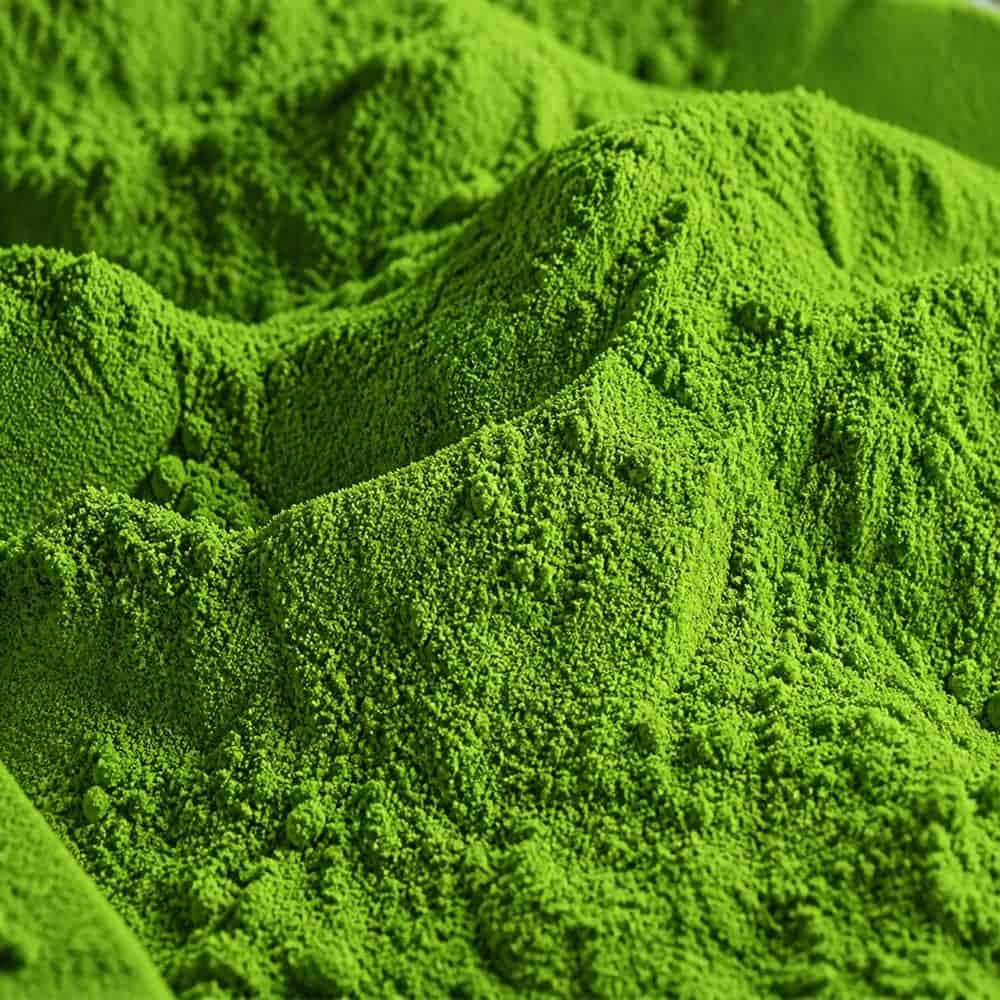
Then compare the powder in water and in its intended recipe. A vegetal character that is too prominent in plain tea may be useful in a milk drink. Conversely, a mild powder that is easy to drink alone may disappear in a sweetened beverage. Neither observation establishes which is universally better.
Marine or fish-like descriptions
Some people use seaweed-like language for savory green aromas. Others describe an aroma as fishy because it is unfamiliar or unpleasant to them. A word in a tasting note is not evidence of fish as an ingredient. Check the actual ingredient and allergen information when composition is the concern.
Do not use that explanation to dismiss a suspected product problem. If an aroma is unexpectedly offensive, the packaging is damaged or the powder appears damp or otherwise abnormal, stop evaluating that sample and contact the seller. Taste and smell cannot establish microbiological safety. Retain the pack and lot information so the specific item can be investigated.
Chalkiness, grit and clumps
Matcha contains dispersed leaf particles, so texture deserves separate attention. A dry pocket of powder can feel different from a uniformly mixed drink. Sifting the measured dry portion before mixing helps break up those pockets. A clump alone does not establish spoilage, although that is not a reason to ignore moisture damage or other concerns.
For a normal dry powder with a texture issue, sift the measured portion, mix it thoroughly and taste promptly. Record whether dry pockets disappeared and whether the overall mouthfeel became pleasant. If an evenly prepared drink still feels distracting, that is a useful selection result. Extra foam or sweetener can change the drink, but it may leave the underlying texture unresolved.
Why a matcha latte tastes different
A latte is a complete recipe. Milk or a plant-based alternative changes the apparent sweetness, aroma and body; syrup adds another flavor and sweetness level. Ice changes the drink as it melts. Even the first sip through a straw can differ from a sip from the rim if the beverage has not been mixed evenly.

To reproduce a café flavor, identify the complete recipe: powder, drink size, milk, sweetener and ice. Keep those details beside the first home attempt. A different plant-based drink can change the result while the tea dose stays the same, and a sweetened mix needs a different approach from pure powder.
When choosing a powder, taste the water preparation first to understand its character, then make the intended latte. Do not assume the water-only winner must win again. The latte-grade matcha guide for café chains explains how to define a repeatable application rather than selecting a powder from its grade name alone.
How to find a matcha flavor you enjoy
Start with the drink you actually want. If that is a gentle latte, use a latte recipe to find a balance you enjoy. If it is plain tea, begin with a producer’s water-only preparation. Taste enough of the tea character to understand it before adding several adjustments that might obscure the reason you prefer the final drink.
Use a small pack or sample for a focused comparison. To make a powder you own gentler, compare the original recipe with a measured dilution change. To find a tea that remains noticeable in milk, keep the latte recipe fixed and compare the powders. Write down the version you would make again; that is a preference you can use on the next purchase.
Turn a taste preference into a useful comparison
| What you want | What to compare | What to write down |
|---|---|---|
| An enjoyable plain bowl | Small samples prepared by the same documented method | The aroma, balance and finish you would happily drink again |
| A gentler version of a powder you own | The original preparation and one dilution adjustment | Whether it became pleasant or merely lost its tea character |
| A latte with recognizable matcha | Candidate powders in the same milk and sweetener recipe | Whether the tea remains noticeable alongside the other ingredients |
| A flavored café drink | The complete drink with its intended flavoring | Whether the tea complements that flavor at the chosen serving size |
Keep the tea preference and the recipe preference separate
When testing sweetness, distinguish liking the sweetener from liking the tea. Taste an unsweetened version, then make one measured adjustment to a separate serving. You may prefer the second drink; the useful finding is the recipe you enjoyed, rather than a conclusion that the powder itself suddenly became sweeter.
There is also no requirement to enjoy matcha. After a fair preparation and a small alternative sample, another tea may simply suit you better. A buying guide should make that decision easier, rather than turn a personal taste into a test you have to pass. If you are choosing for customers rather than personal drinking, use the application-based matcha selection guide to connect those preferences with the product brief.
Prepare a comparison that you can repeat
The goal is not to turn a kitchen into a laboratory. It is to make the next tasting comparable to the previous one. A professional discussion of matcha sensory evaluation assesses several attributes separately and describes preparing samples with 2 g of tea and 100 mL of hot water. That is an evaluation format, not the only correct way to enjoy matcha.
For your own comparison, use one documented preparation that fits your purpose. If you adopt that 2 g and 100 mL format, keep its water temperature and mixing method consistent too. Label samples with neutral codes, use the same cups and taste them at comparable temperatures. This reduces the influence of packaging and price expectations.
- Record the setup. Note the product code, opening date, measured powder, water and preparation method.
- Smell before sipping. Write a few recognizable aroma words without deciding the overall score yet.
- Separate the sensations. Note savory depth, sweetness, bitterness, drying finish and texture individually.
- Wait for the finish. Ask what remains after swallowing rather than judging only the first instant.
- Repeat in the application. Prepare the actual latte or food recipe and record what changed.
For a group tasting, agree the meaning of the scale before starting. Plain terms such as low, medium and high need less interpretation than unexplained scores. Let each person write observations before discussion, then compare the notes. Revisit a promising sample on another day before a large purchase so the decision rests on a repeatable preparation and preference.
Finish the comparison with a usable next step. Select a candidate for another trial, keep the recipe you enjoyed, or record that none meets the intended use. A tasting note earns its value by helping with the next preparation or purchase, rather than by accumulating descriptive words.
What to do when tasters disagree
Keep liking separate from intensity. Two people can agree that a tea is strongly savory while disagreeing about whether that is desirable. Record both observations instead of averaging them into an unexplained overall score. If your café serves several drink styles, a powder need not win every category to have a useful place on the menu.
For example, a hypothetical sample may be preferred in an unsweetened small latte but seem too subtle in a large flavored drink. That result points to a recipe or menu decision, not necessarily a faulty sample. Decide which application matters most before selecting the winner, and document the compromise so a later team does not repeat the same argument.
Keep a tasting note that another person can use
Separate the observation, the setting and the decision in your note. For example: “Sample B; the reference unsweetened latte; leafy aroma, clear tea character, drying finish; acceptable for the small latte, not selected for the plain bowl.” This is an illustrative note, not a report from an actual tasting.
Record the reasons for acceptance as carefully as the reasons for rejection. If a menu needs recognizable tea flavor in milk, that reason should stay with the chosen sample; otherwise, a later buyer may select the mildest powder and lose the intended character. Keep unresolved questions visible too. When an unfamiliar aroma may come from either the tea or a newly opened milk alternative, repeat that part of the comparison before assigning a cause.
Turn an accepted flavor into a useful buying brief
“Smooth and premium” is difficult to use when a later shipment seems different. Translate the accepted sample into specific observations and conditions. For example, an internal brief might require a clearly noticeable tea character in the reference latte, an acceptable drying finish and no distracting clumps after the agreed preparation. These are proposed evaluation criteria, not test results for a supplier.
Keep the reference recipe and the approved sample’s product code together. Separate acceptable natural variation from a change that would require review. If the supplier offers another blend, repeat the application assessment rather than assuming a similar green color means the flavor is equivalent. See the bulk matcha quality evaluation guide for a broader sample approval process.
Also distinguish sensory acceptance from safety and compliance. A pleasant sample does not replace appropriate specifications, lot identification or relevant test results. The matcha COA guide explains how to read documented results without treating them as a substitute for application testing.
Finally, compare cost at the accepted recipe. A cheaper powder that needs a larger dose or extra sweetener may change both drink cost and taste. A costly tea whose subtlety is lost in the recipe may offer little practical advantage there. The right choice is the one that meets the defined drink and supply requirements at an acceptable cost, as discussed in the guide to comparing suppliers beyond price.
Frequently asked questions
Does matcha taste like ordinary green tea?
It can share leafy and savory notes, but the powder-based drink has a different texture and concentration from a strained infusion. “Green tea” also covers many styles. Compare named products prepared consistently rather than expecting one universal green-tea flavor.
Is pure matcha naturally sweet?
Some teas are described as softly sweet or sweet-smelling, but pure matcha is not a sweetened drink. Check the ingredients if you need to know whether sugar was added. A naturally sweet tasting note does not replace nutrition information.
Why is my homemade matcha less sweet than a café latte?
The café may use a sweetened powder, sweetened milk alternative, syrup or a different recipe. Ask what is actually in the drink before changing your matcha. The taste of the finished latte cannot establish the composition of its powder.
Does bitter matcha always mean low quality?
No. The powder, dose, water and preparation all matter, and people have different preferences. Repeat the drink under a documented method first. If the balance still fails your intended use, choose another sample without treating bitterness as a complete quality or safety test.
Can adding milk fix a matcha I dislike?
It can create a different drink that you enjoy, but it will not correct an identity, safety or storage problem. Try milk for a normal tea whose flavor is simply too intense for your preference; investigate an abnormal or damaged product instead of masking it.


