

On This Page
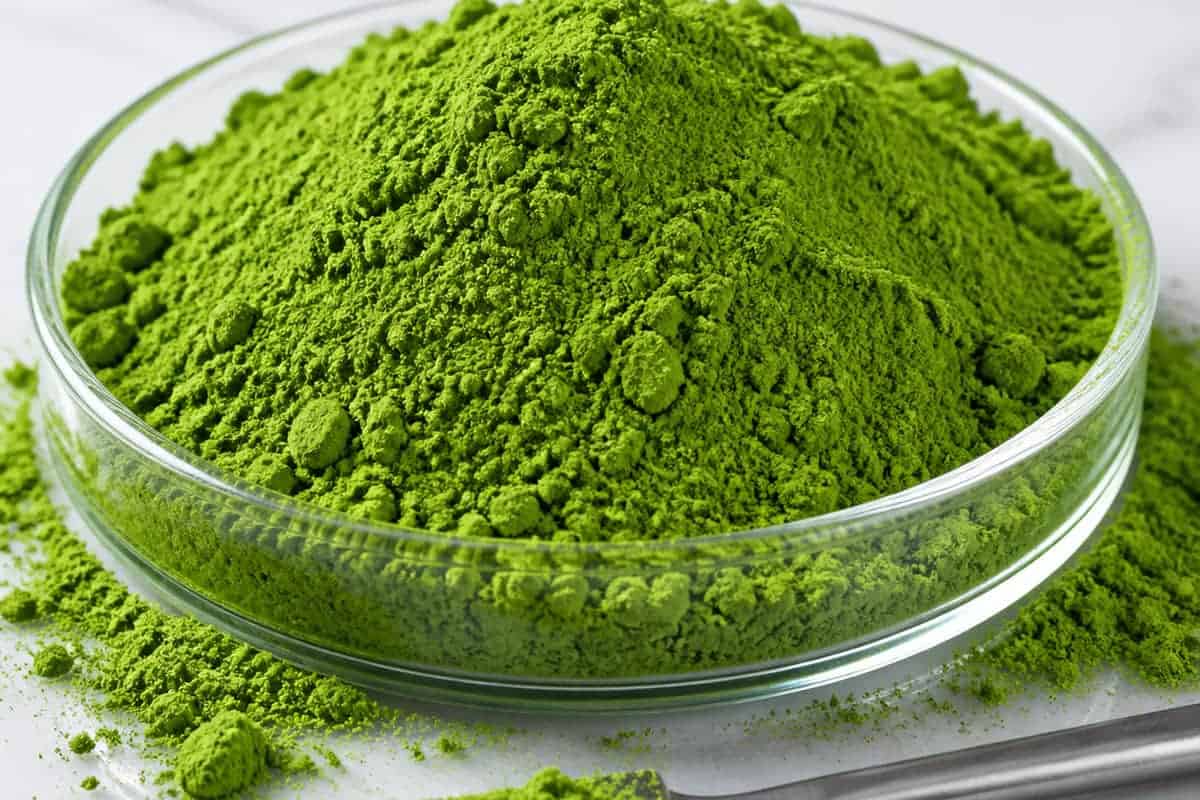
Moringa and matcha are different leaf powders made from different plants. Moringa leaf powder comes from Moringa oleifera. Matcha is a tea powder made from tencha, using leaves of the tea plant. Their shared green appearance does not make them interchangeable ingredients.
A useful comparison starts with what you want the powder to do. Someone looking for the taste of matcha needs a tea ingredient. Someone considering moringa needs to evaluate that leaf powder on its own identity, composition and intended use. Broad claims about which is the better “superfood” obscure these practical differences.
Are moringa and matcha the same plant?
No. Royal Botanic Gardens, Kew identifies Moringa oleifera as a tree in the Moringaceae family. It is a separate botanical species from the tea plant. Moringa is not a tea cultivar, a matcha grade or a different regional name for matcha.
That distinction remains true after milling. A fine grind can change how a plant ingredient is handled, but it does not change the plant’s identity. Two powders may look similar on a spoon while providing a different flavor and requiring different specifications.
“Moringa tea” does not mean matcha
The word tea is also used for drinks made from plants other than the tea plant. If a seller offers moringa tea, establish whether the product is loose leaf intended for infusion, milled leaf powder or a blended drink preparation. Those descriptions tell you considerably more than the word tea alone.
Similarly, the phrase “moringa matcha” could describe a mixture, or it could be loose marketing language for a green powder. Ask whether actual matcha is included. If it is, request a clear composition description rather than assuming the two ingredients are present in equal amounts.
How the powders are produced
Moringa leaf powder involves drying and milling
The University of California’s moringa project describes work with growers on drying moringa leaves and producing dried leaf powder. The named plant part matters: leaf powder should not be treated as an interchangeable description for a seed, root or extract product from the same plant.
For a buyer, “moringa powder” is therefore only a starting point. Ask which plant part was used, whether the item is milled leaf or an extract preparation, and whether other ingredients have been added. The answer determines what should be evaluated.
Matcha has a specific tea-processing route
The Kyoto Prefectural Tea Industry Chamber explains the tencha process: tea material for matcha is steamed and dried without rolling before it is milled. Matcha is therefore more specific than an arbitrary dried green leaf reduced to powder.
For the complete tea route, see how matcha is made. That production identity gives a matcha buyer a defined question to ask; it does not supply a quality verdict for an unrelated moringa sample.

Moringa vs matcha at a glance
| Question | Moringa leaf powder | Pure matcha |
|---|---|---|
| What is the ingredient? | Milled leaves of Moringa oleifera | Finely milled tencha tea |
| What identity information is useful? | Botanical name, plant part, drying and powder specification | Tea material, tencha processing and powder specification |
| Is a green appearance enough to identify it? | No | No |
| Can nutrition be copied from the other powder? | No; use information for the actual item | No; use information for the actual item |
| What if both occur in one product? | Evaluate the full blend, including quantities, added ingredients and intended serving |
This is an ingredient comparison, rather than a ranking. Before choosing one, decide whether the main requirement is a recognizable tea experience, a particular formulation concept or a specified nutritional contribution. Those goals need different evidence.
Will moringa taste like matcha?
Do not buy moringa expecting it to reproduce matcha’s tea character. A shared green color is a weak predictor of the finished flavor. Matcha selection commonly involves assessing the balance of vegetal character, savory notes, bitterness and mouthfeel; a moringa product needs its own sensory description.
Instead of relying on one word such as earthy, ask the supplier for a sample and evaluate it in the intended application. “Earthy” can be used positively or negatively and gives little guidance about intensity, aroma or finish. A sample comparison can turn that vague description into a useful decision.
Compare like with like
A sweetened moringa blend and an unsweetened matcha powder are not a fair ingredient comparison. First identify what is in each item. Then decide whether the trial is intended to compare the powders themselves or two complete drinks.
For a café, both questions can matter. The first helps explain the ingredient’s contribution; the second reflects what customers will receive. Record them separately so that sweetness or flavoring in a premix does not get attributed to the leaf alone.
Use clear tasting questions
Ask what the aroma reminds you of, how strong the leaf character is, whether bitterness is noticeable, and what remains after swallowing. Also consider whether the texture suits the product. These observations are more actionable than deciding that one powder simply tastes “healthier.”
Our guide to matcha flavor provides a vocabulary for the tea side of the comparison. Keep that vocabulary flexible when tasting a different plant, rather than marking moringa down for failing to behave like matcha.
Caffeine questions need product-specific answers
Matcha contains tea material, so caffeine is relevant when choosing it. Moringa is a different botanical ingredient, and its name should not be used as evidence for a matcha-like caffeine amount. Equally, a finished product called a moringa blend needs more than its front label to support an exact caffeine statement.
Check whether the formulation includes matcha, other tea, coffee or an added caffeine ingredient. If you require a documented caffeine-free product or a maximum amount, ask the supplier what evidence supports that requirement for the actual item.
A green blend may contain more than one relevant ingredient
Consider a hypothetical product described as a “moringa and matcha drink mix.” Even if its moringa supplier provides information about moringa alone, that information does not determine the finished mix’s caffeine amount. The matcha contribution and serving quantity still need to be considered.
For a tea-based calculation, our article on caffeine in matcha and serving size explains the units to look for. Avoid borrowing a value from an unrelated brand or treating a spoonful as a fixed weight.
Nutrition comparisons: keep the basis consistent
Nutrition charts can make these powders look easier to compare than they really are. The first check is whether the numbers describe the same material basis: fresh leaves, dried powder, an extract or a prepared drink. Removing water changes the relationship between weight and composition, so those categories should not be mixed in a simple ranking.
Next, check the amount you would actually use. A value per large reference weight is not the contribution of a small serving. This applies to both powders and to every nutrient being compared.
Translate the reference figure into the intended portion
For an arithmetic example only, suppose a specification reports 20 grams of a nutrient per 100 grams of powder. A 2-gram portion of that same powder would contain 0.4 gram on that reporting basis: 20 multiplied by 2, divided by 100. These figures illustrate the calculation; they are not measured nutrition values for moringa or matcha.
The exercise is useful because it exposes what a comparison leaves out. Before describing a product as a meaningful source of a nutrient, establish its actual composition, the serving and the applicable claim criteria. A striking concentration in an ingredient table is not sufficient by itself.
A finished drink needs its own assessment
If a powder is added to milk, a plant-based drink or a sweetened premix, the rest of the formulation contributes to the final nutrition. Keep the leaf powder’s values separate from those of the finished product. Otherwise a comparison can accidentally credit the powder for protein, sugar or calories supplied elsewhere.
For the tea ingredient, our matcha nutrition guide covers reporting bases and serving calculations. Use the moringa supplier’s current data for the moringa side instead of copying the matcha figures.
Why a label is more useful than a “superfood” comparison
Marketing language often compresses a product into one attractive benefit. An ingredient statement provides a more practical starting point: what is actually included? The FDA’s ingredient guidance explains that ingredients generally appear in descending order by weight, subject to applicable exemptions. That helps distinguish a leaf powder from a multi-ingredient drink mix.
It does not reveal every percentage or answer every sourcing question. A blend may require additional composition information for a business evaluation. Ask for what the project needs rather than filling gaps with assumptions about the product name.
Claims about one plant part do not transfer automatically
A study of an extract, seed or other material should not be presented as proof of what a particular leaf powder will do. The material, processing and amount need to match the claim being considered. The same discipline applies to matcha: identifying an ingredient does not establish a medical outcome.
For an everyday purchase, choose a clearly described product that suits the intended food or drink. For a commercial formulation, document the actual ingredient and the claims you can support. Neither decision needs a sweeping declaration that one plant is universally healthier.
How to evaluate a proposed substitution
Write down what must remain the same
If replacing matcha with moringa is being considered, identify the reason. Is the target ingredient cost, a different taste or a different product concept? Then list what must remain acceptable: flavor, appearance, texture, composition, labeling and the customer’s understanding of the product.
This prevents a replacement from being judged solely on its dry color. A product sold for its matcha character may need a different name and positioning if tea is removed. A new moringa concept can instead be evaluated openly as a different product.
Test the finished application before deciding the quantity
Do not assume that equal spoonfuls will provide an equivalent result. Use measured quantities during trials and record the process. Adjustments should be based on the desired outcome, rather than on the idea that all green leaf powders have one universal substitution ratio.
For repeated service or manufacturing, retain the accepted sample and its product code. The next shipment should be evaluated against the agreed item, not a generic description such as green powder. That applies regardless of which leaf is selected.
Storage and supplier information
Follow storage instructions written for the particular product. An ECHO guide to making moringa leaf powder, hosted by the University of Massachusetts, emphasizes protecting dried leaf powder from heat, humidity and light. It also distinguishes properly dried material from mold-affected leaves. Those principles do not establish one universal shelf life for every commercial pack.
For purchasing, request the production or packing identification, declared shelf life, storage conditions and relevant testing information. A resealable package can be useful, but its presence is not evidence that a powder will retain an agreed quality indefinitely after opening.
Keep the identity documents and the acceptance decision together. With moringa, make the plant part explicit; with matcha, establish the tea processing route. With a blend, document the full composition. These details give a buyer a sound basis for comparing offers and evaluating repeat orders.
Frequently asked questions
Can moringa be called matcha?
Moringa leaf powder is a different ingredient. If a product contains both moringa and matcha, it should be understood as a blend. If it contains no matcha, a fine grind and a green appearance do not establish a matcha identity.
Can I use moringa instead of matcha?
You can evaluate it as a different ingredient, but an exact replacement ratio should not be assumed. Check flavor, texture and the complete formulation. If the product is sold as matcha, removing the tea also changes what the description needs to communicate.
Is moringa better for a nutritional product?
That depends on the actual composition, the intended serving and the product requirements. Compare current specifications on the same basis. A large per-100-gram number or a broad wellness slogan does not answer the finished-product question.
Does a moringa and matcha blend need separate nutrition information?
The finished blend needs information appropriate to its own formulation. Data for one component alone does not describe the quantities contributed by the other ingredients. The same applies when that blend is used in a finished drink.
What should a business buyer ask for first?
Ask for the exact ingredient identity, plant part, composition, product code and specification, followed by a matching sample. Those items let you make a useful comparison before discussing claims or committing to a larger order.


